Birth tourism is not confinement: telling them apart in the US
Why US searches for a confinement centre return birth tourism packages, how to tell the two apart, and what postpartum care actually looks like in America.
All guides
Everything we have written on Chinese confinement, gathered in one place. New guides are added as they are researched and reviewed. Not sure where to begin? Start with our overview of what confinement is.
What confinement is, its history and how practice varies across regions.
17 guides
The month structure, rest, warmth, bathing, hair washing and visitors.
14 guides
Confinement soups, herbs, lactation support and week by week eating.
67 guides
Confinement in Australia: nannies, family, costs and the hospital to home move.
10 guides
Confinement in the US: meals, yue sao, costs, and telling care from birth tourism.
1 guide
Preparing before birth, shopping lists and caesarean recovery notes.
6 guides
Why US searches for a confinement centre return birth tourism packages, how to tell the two apart, and what postpartum care actually looks like in America.
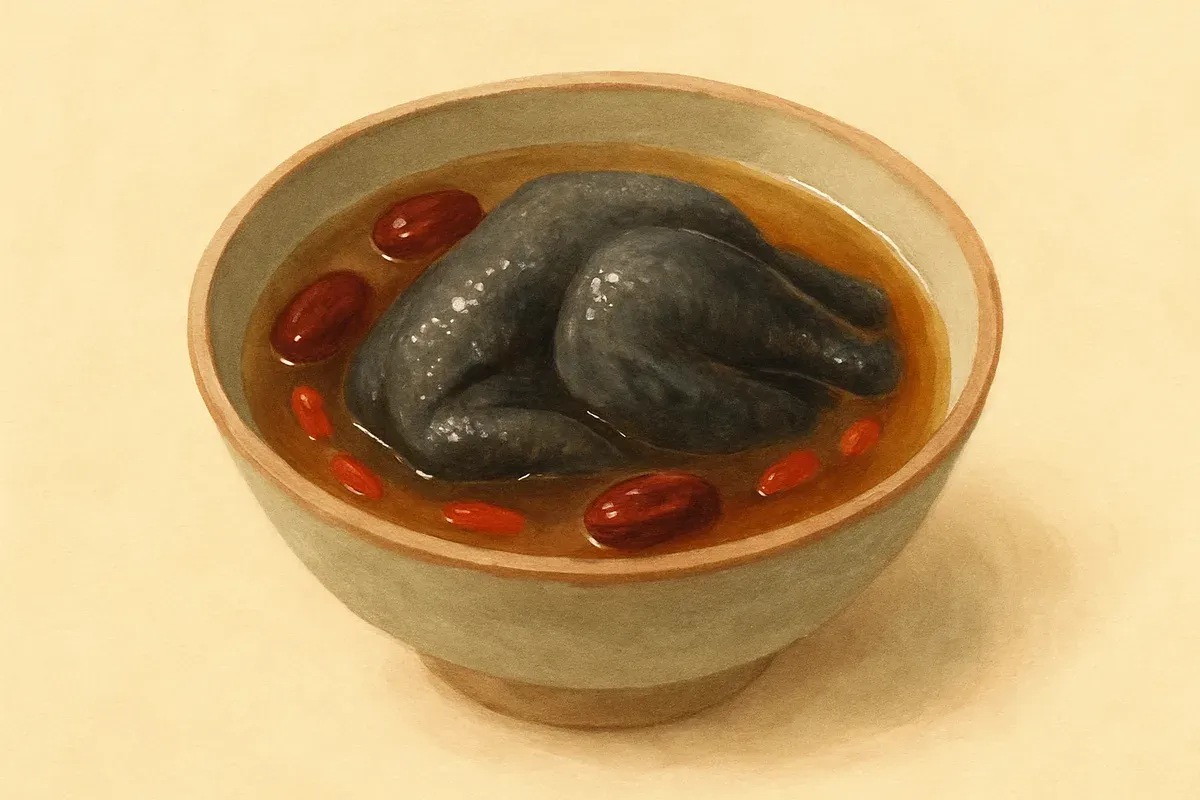
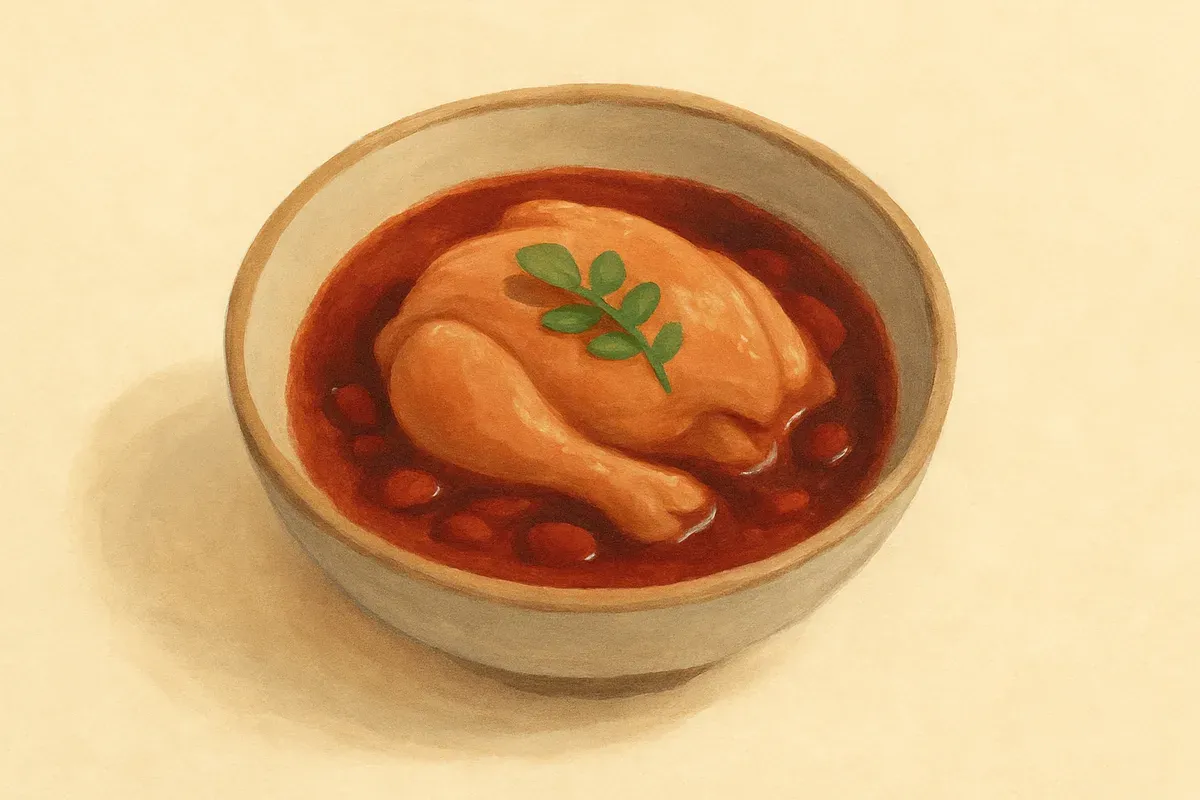
The tonic soup of the later confinement weeks: silkie chicken simmered slowly with dang gui, astragalus, red dates and goji into a deep, restorative broth.
For many families the confinement plan is flying a grandmother in. The visa options for parents visiting Australia, how long they allow, and how early to start.
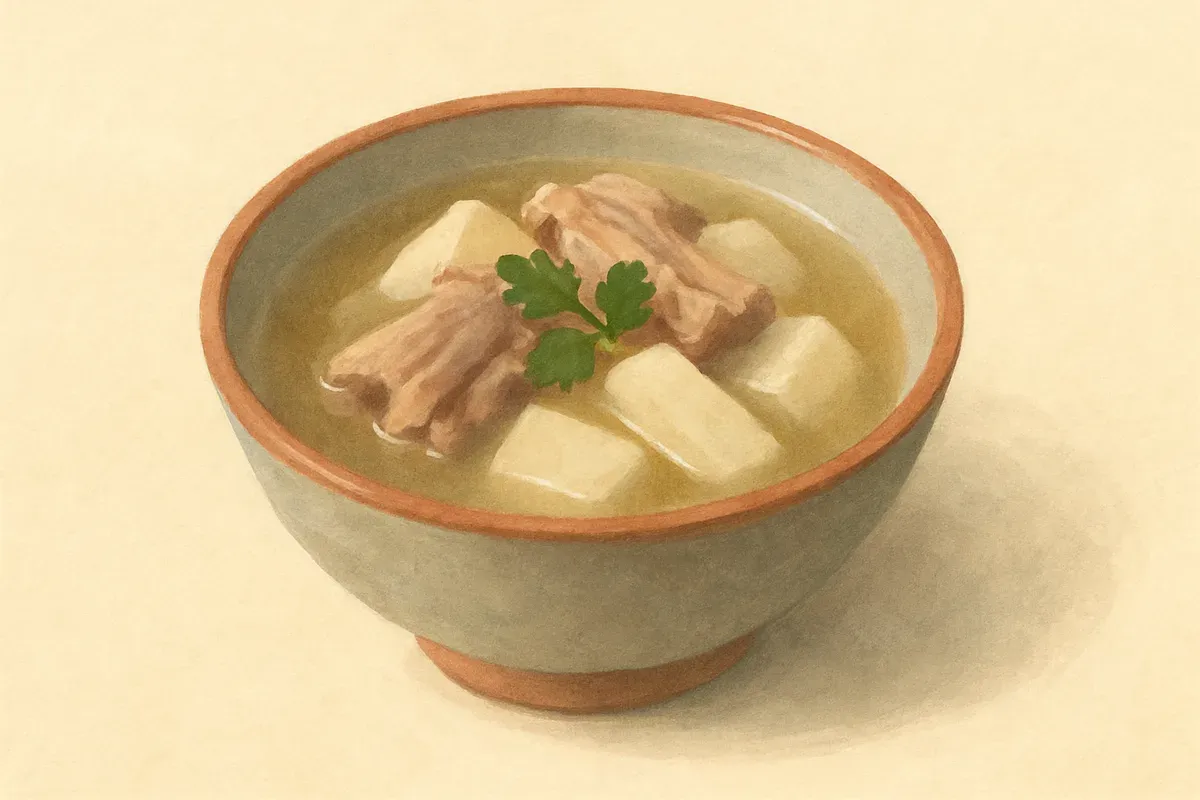
A gentle confinement soup: pork ribs simmered with Chinese yam, red dates and goji into a mild, strengthening broth, kind to digestion from the early weeks.
The biggest confinement decision is who does the work. An honest comparison of a live-in nanny, meal delivery, occasional help and a family-led month.
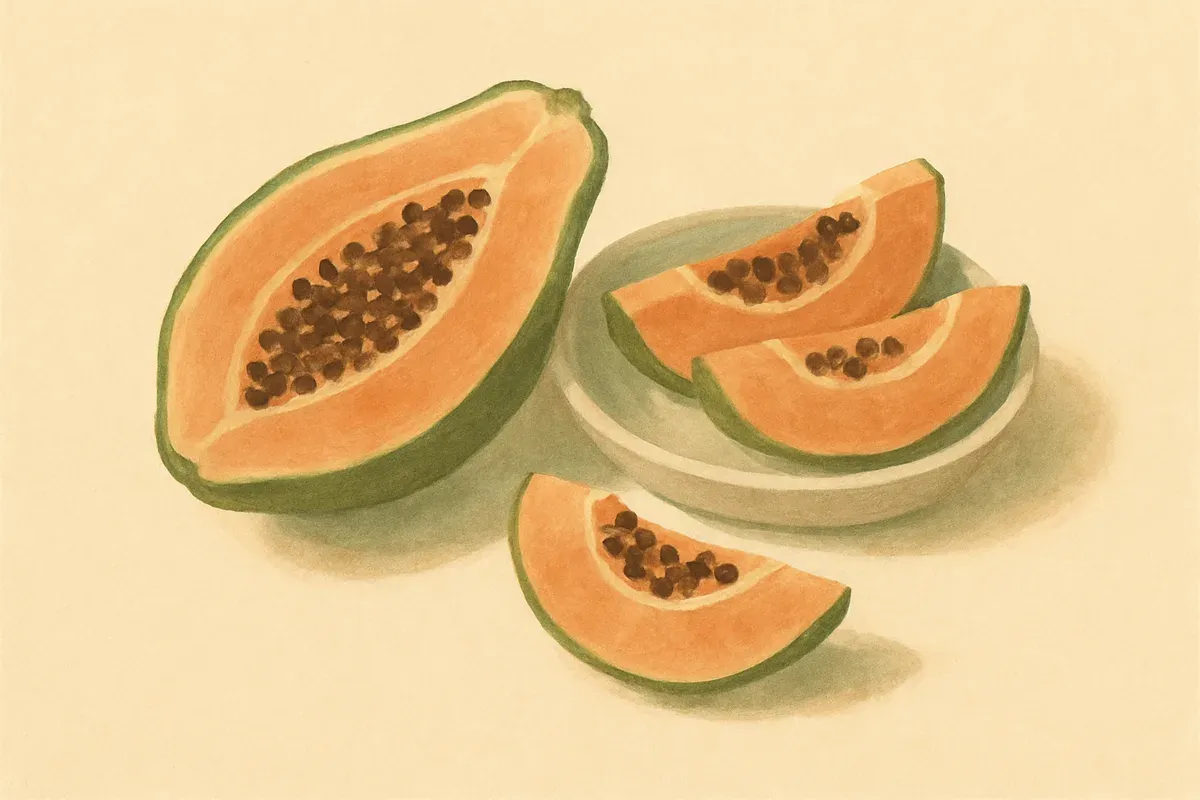
The traditional lactation foods of the confinement month, from green papaya and fish soup to pork trotters, and what actually drives milk supply.
What to eat across the confinement month, stage by stage: gentle food for the first ten days, rebuilding dishes next, the richest tonics at the end.
A trimester-by-trimester timeline for arranging confinement, from booking a nanny in the second trimester to the final fortnight of cooking and stocking.
An honest look at what research says about zuo yue zi: where the evidence supports the tradition, where it is thin, and what seems to do the real work.
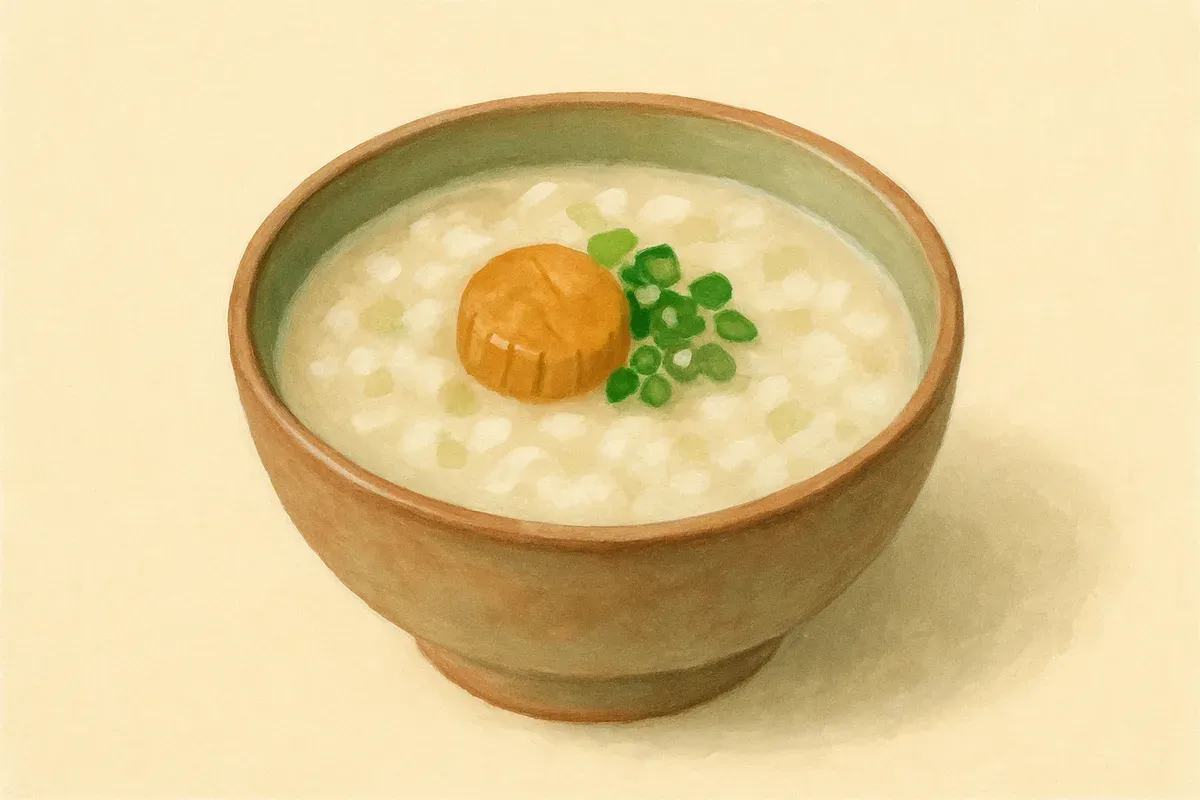
A savoury, nourishing confinement congee: soft rice simmered with dried scallops and ginger into a comforting bowl. Gentle enough for the earliest days.
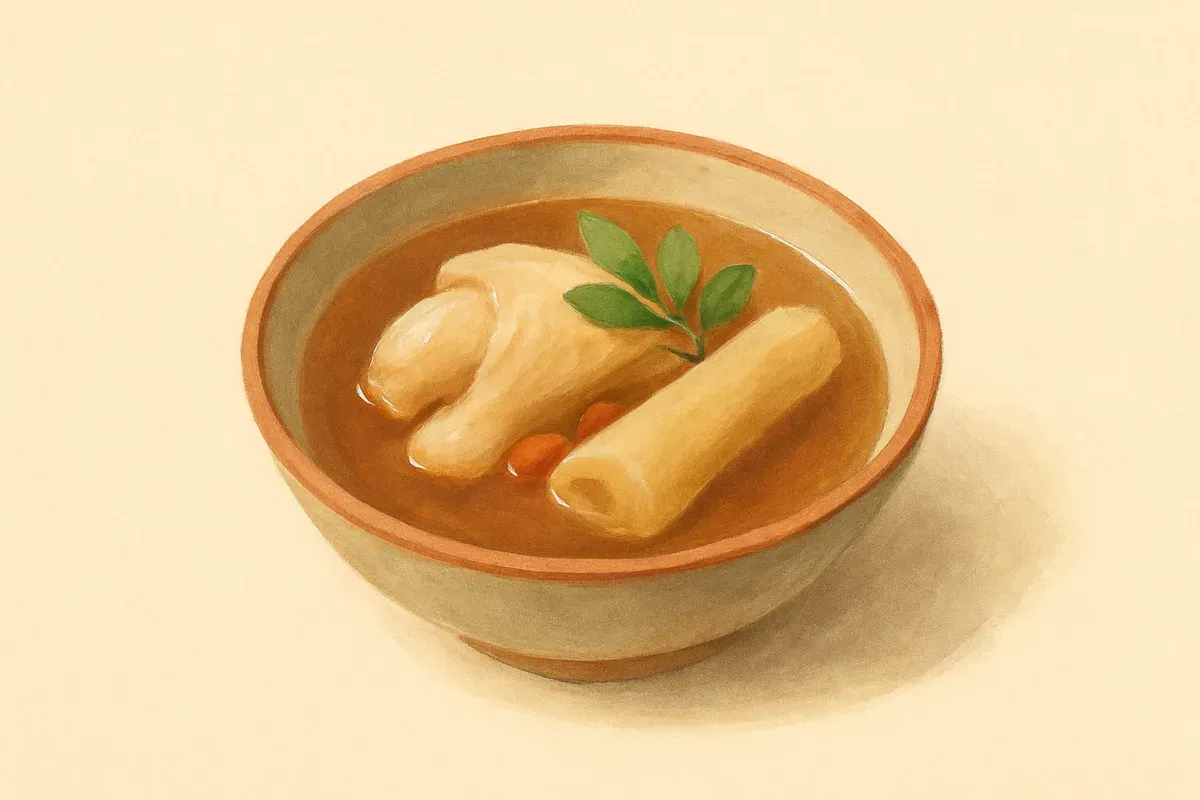
A restorative soup: collagen-rich fish maw double-boiled with chicken, dried scallops and red dates into a deep, nourishing tonic for the later weeks.
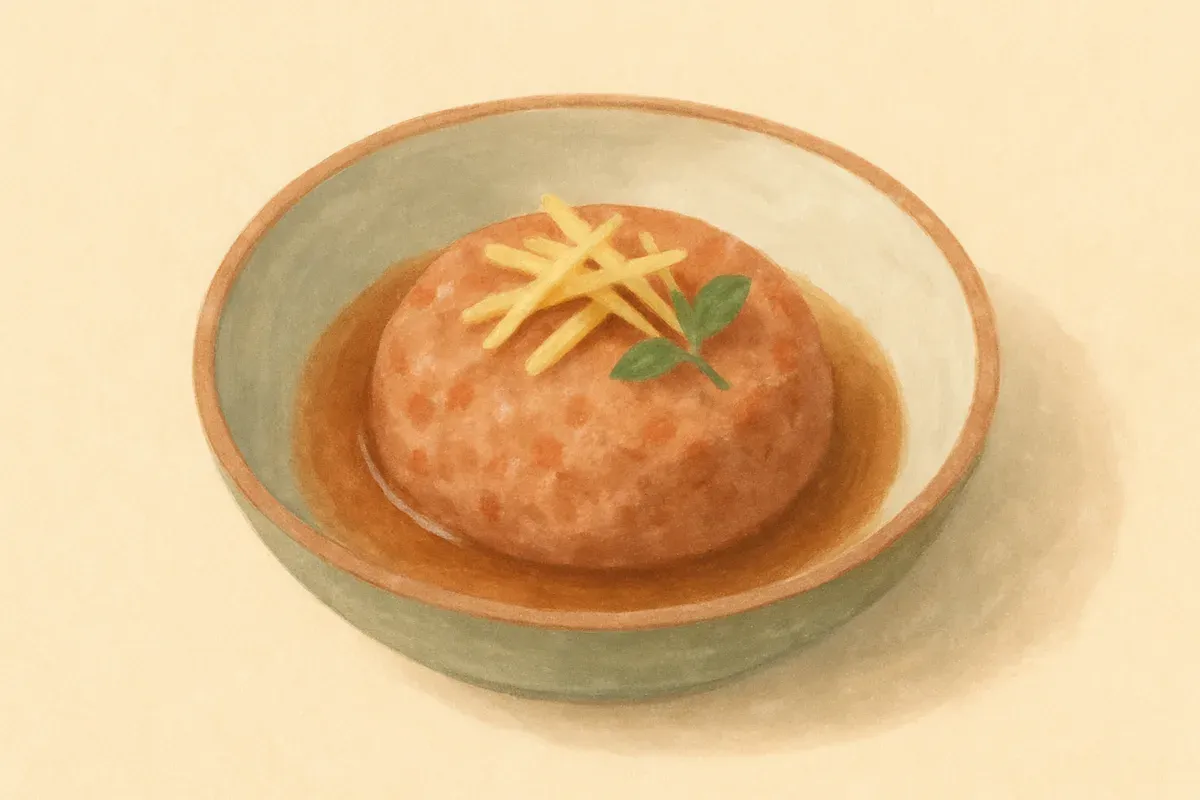
A gentle, home-style confinement dish: minced pork steamed with ginger and wood ear into a soft, savoury patty. Quick, comforting and kind to a small appetite.
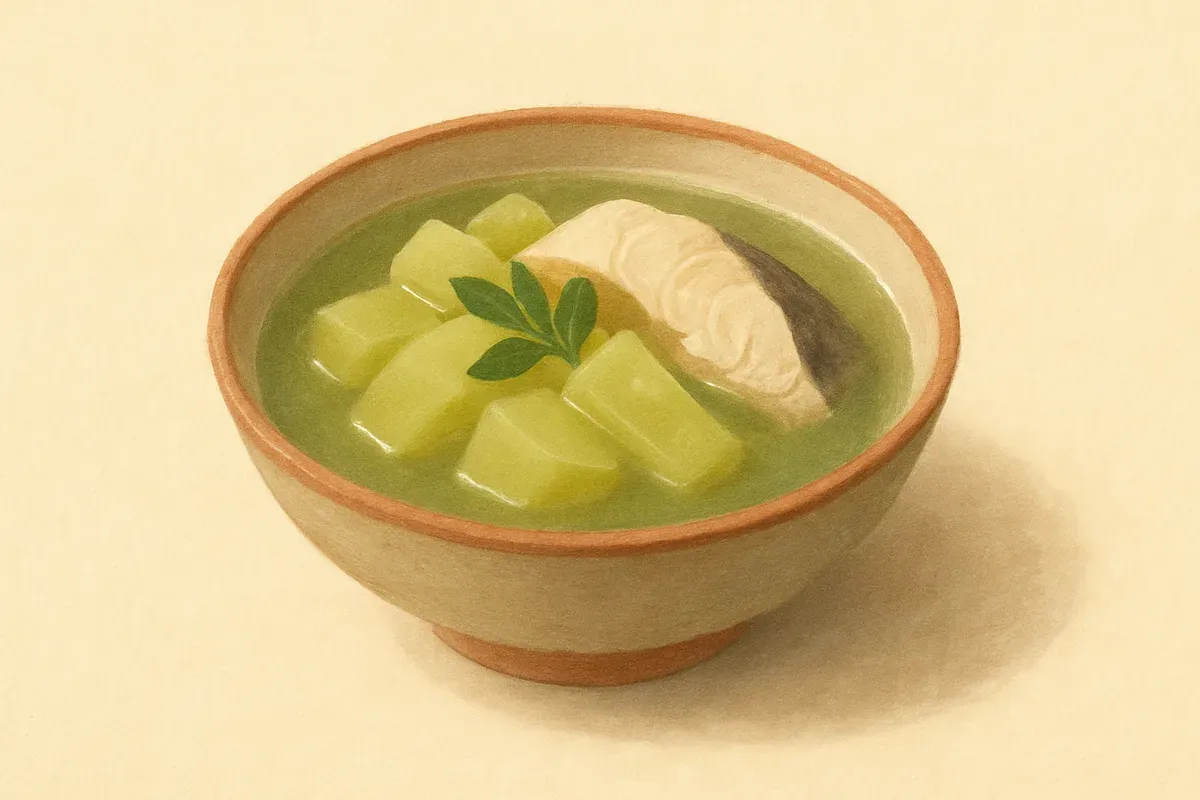
The classic confinement milk-supply soup: unripe green papaya and fish simmered into a milky, nourishing broth. Warm, gentle and eaten across the month.
Rice wine runs through the confinement kitchen, and it is alcohol. What the Australian guidance says, how long it takes to clear, and how to keep the dishes.
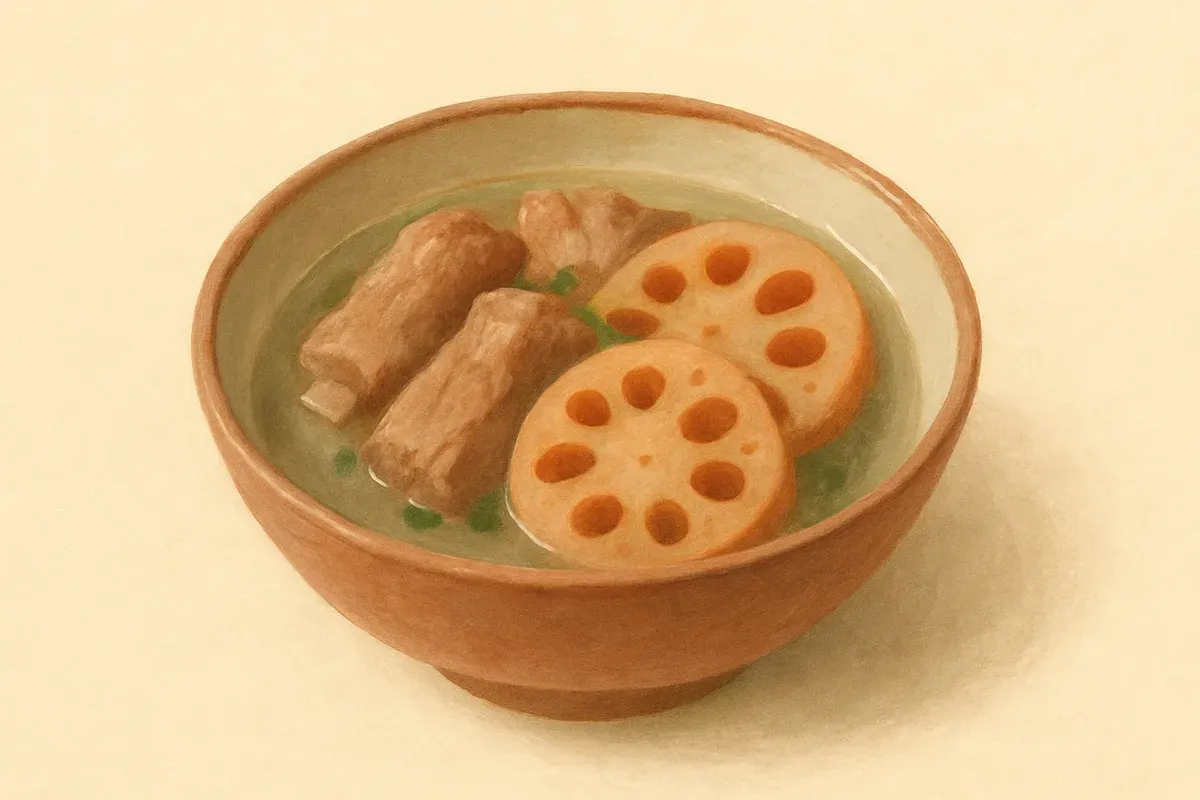
A Cantonese confinement soup: lotus root simmered slowly with pork ribs, red dates and peanuts into a sweet, nourishing, quietly restorative broth.
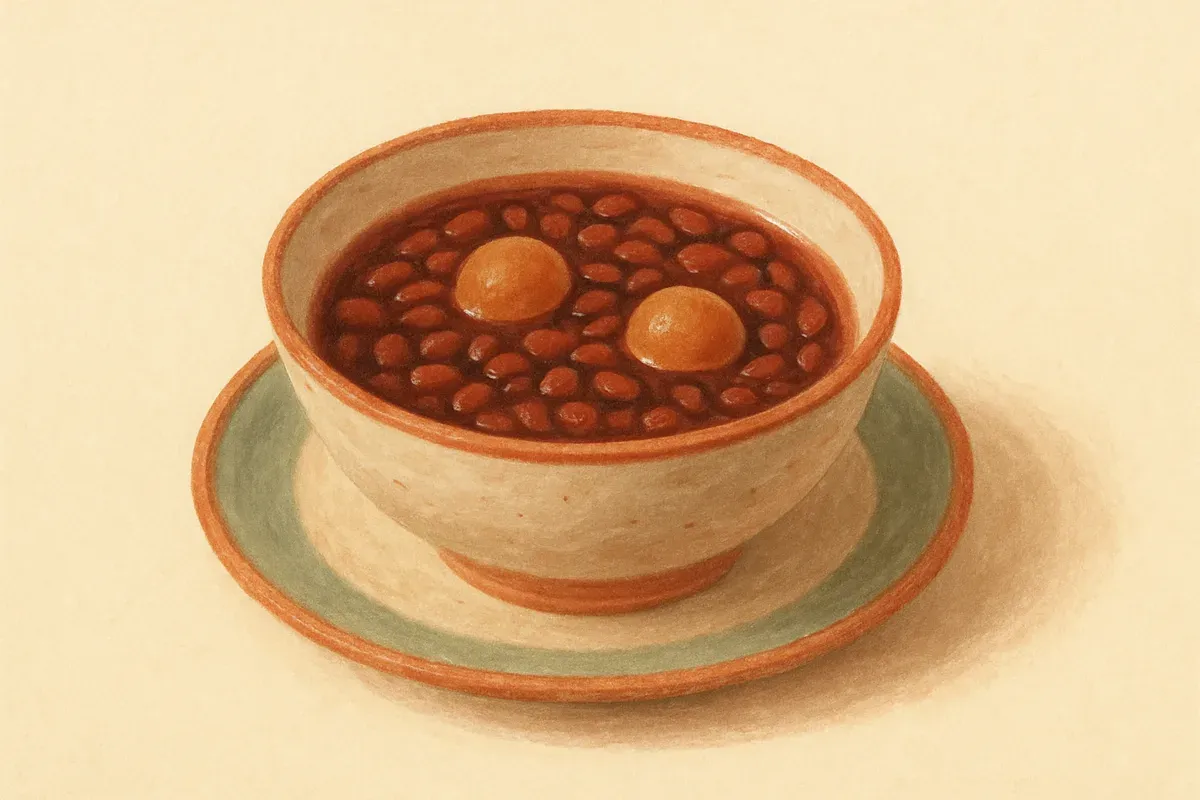
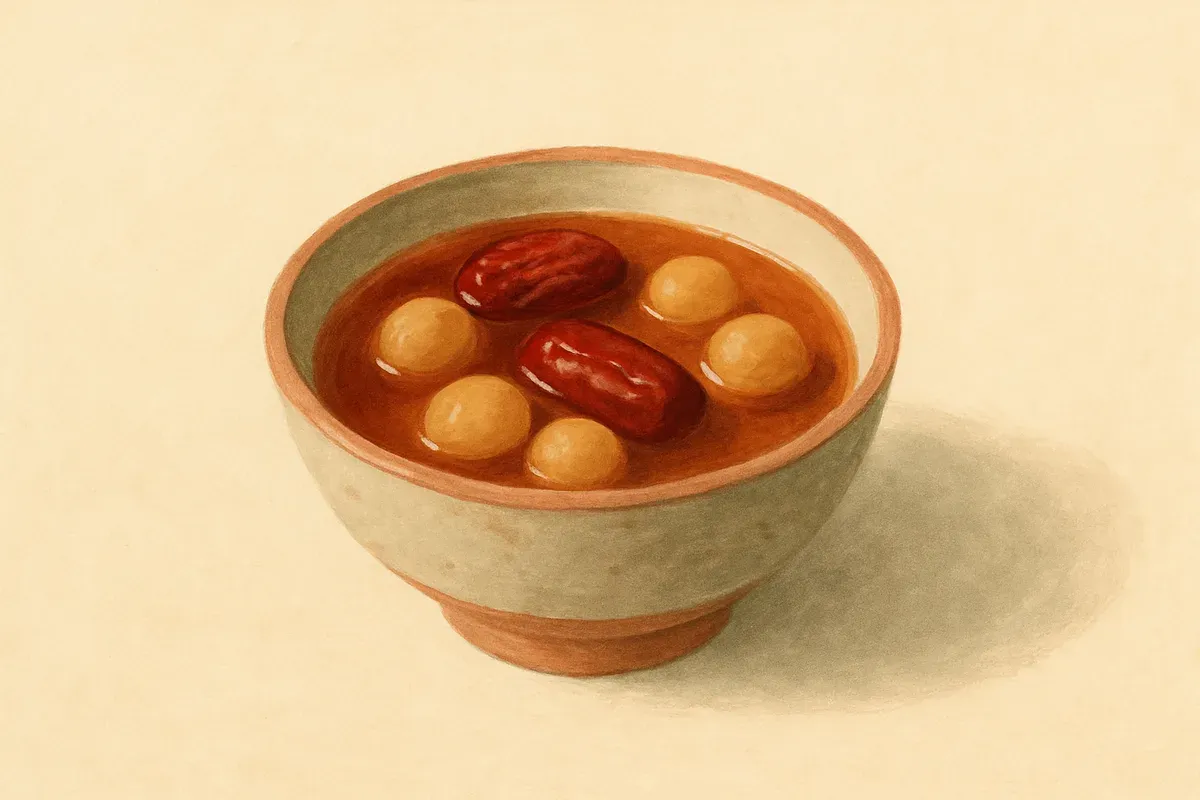
A warming confinement dessert: adzuki red beans simmered soft with dried longan and red dates into a sweet, blood-nourishing, gently restorative soup.
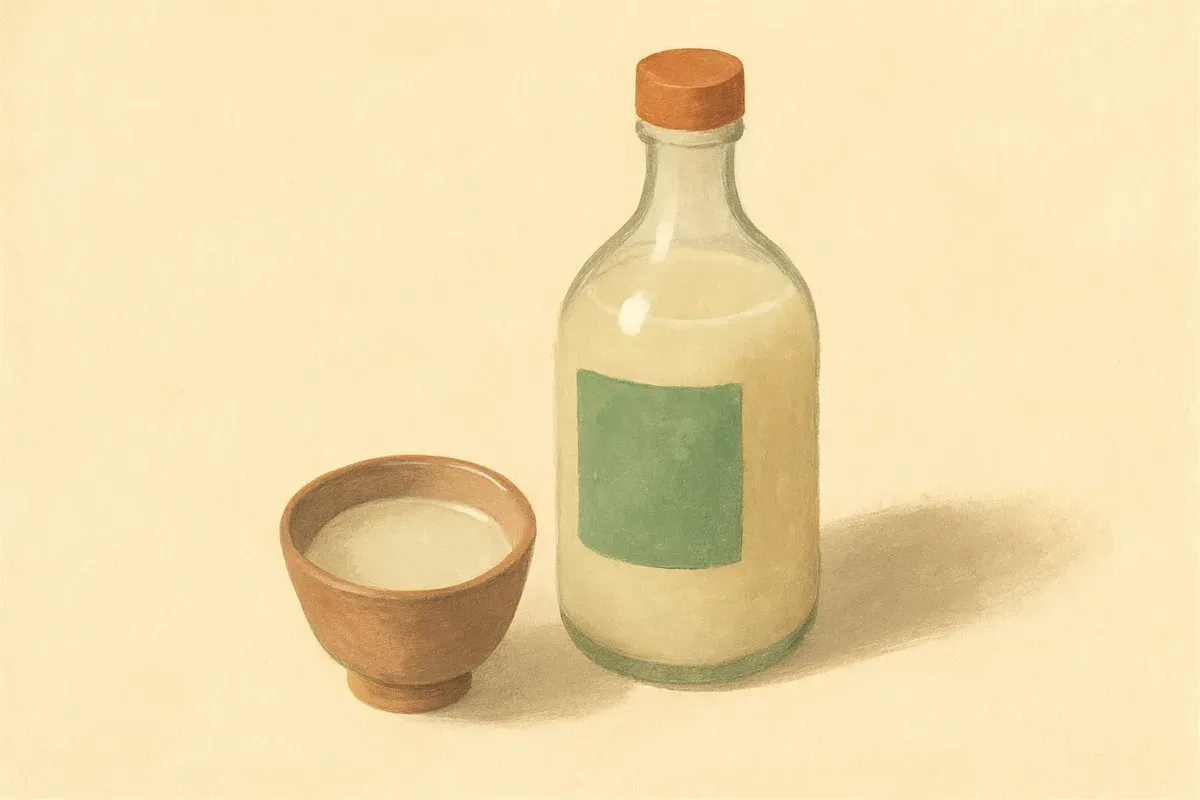
Glutinous rice wine is the backbone of the richest confinement dishes. What it is, why the tradition prizes it, which bottle to buy, and the alcohol question.
A Taiwanese confinement classic: pork kidney flashed in black sesame oil and old ginger. Warming and kidney-nourishing, cooked hot and fast for the early weeks.
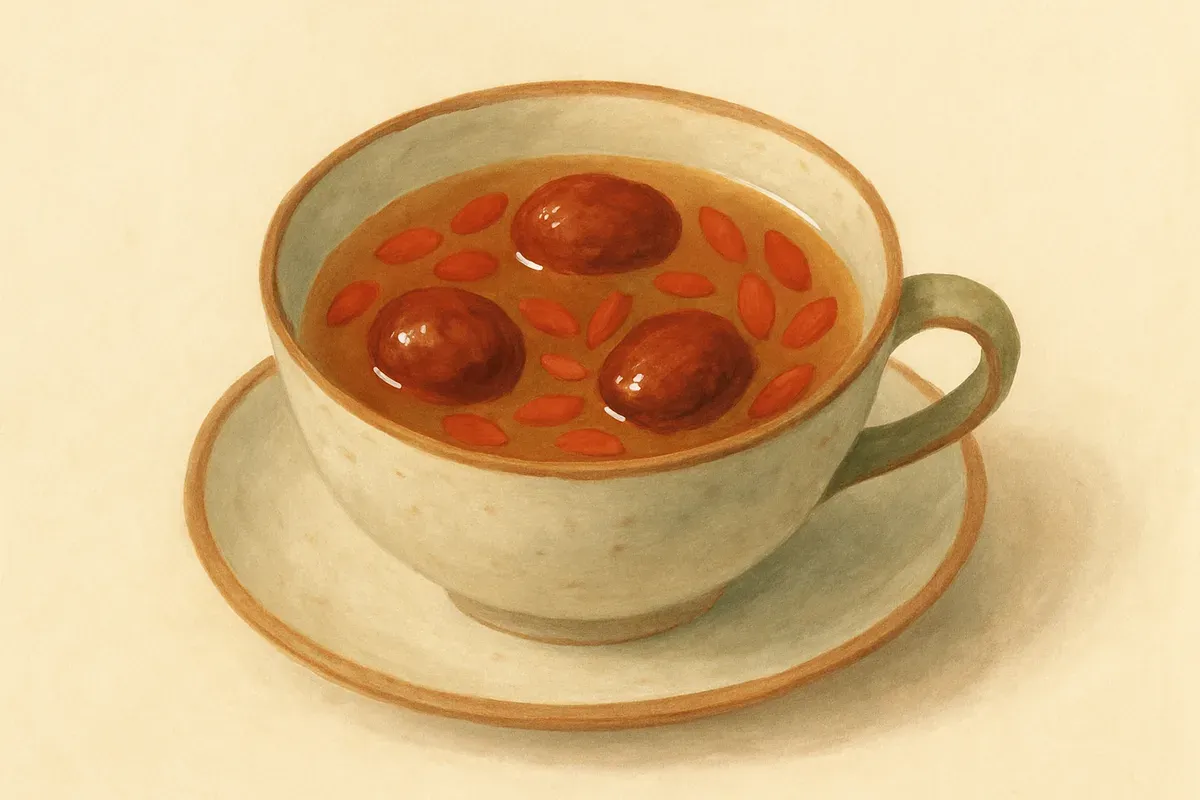
A gentle, silky confinement dessert: snow fungus and peach gum simmered with red dates and goji into a warm, nourishing sweet soup. Soothing and easy to eat.
The confinement avoid-list explained: cold and raw food, cooling fruits, caffeine and alcohol, and which cautions are tradition and which are health advice.
The pui yuet or yue sao is the specialist at the centre of the confinement month. What the role is, where it came from, and what she actually does day to day.
Where to find old ginger, black sesame oil, rice wine and dried herbs in Australia, from Asian grocers to herbal dispensaries and online suppliers.
Confinement is less a set of rules than a daily rhythm. Here is what an ordinary day of the month actually looks like, from the night feeds to lights out.
American ginseng, xi yang shen, is the cooling qi tonic, for the confinement mother who runs hot. How it differs from warming ginseng, and how to use it.
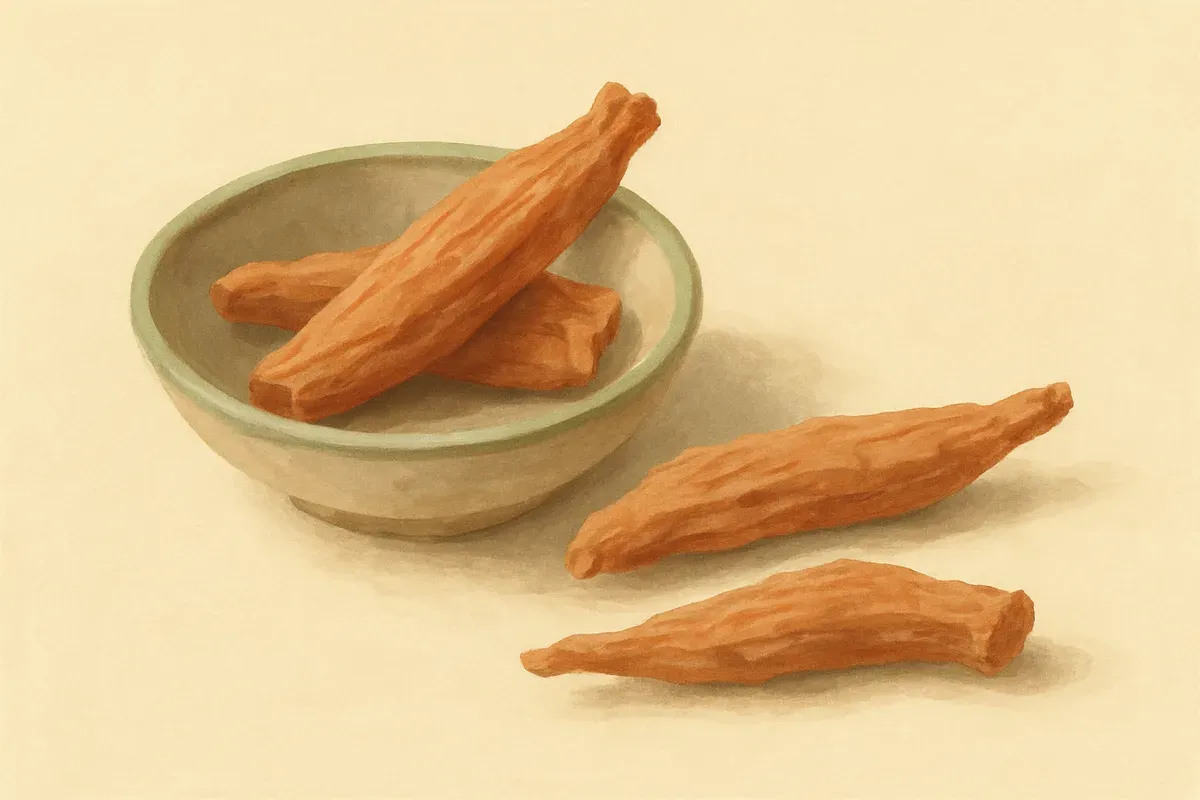
Astragalus, or huang qi, is the energy-building root at the heart of confinement tonic soups. What it does, how it pairs with dang gui, and when to use it.
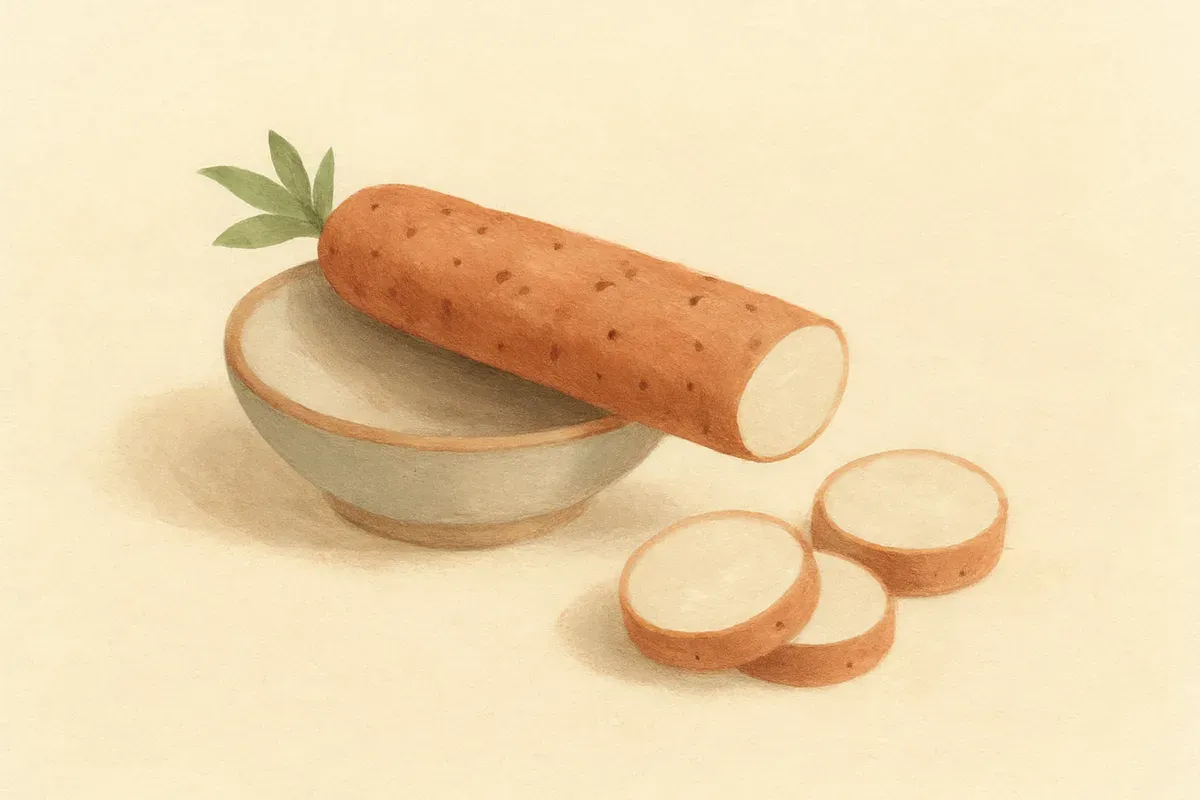
Chinese yam, huai shan, is the mild, food-like tonic in confinement soups from the first days. Why the tradition prizes it for digestion, and how to use it.
Dang shen, or codonopsis, is the mild, food-like qi tonic that flavours everyday confinement soups. A gentler stand-in for ginseng, and how to use it.
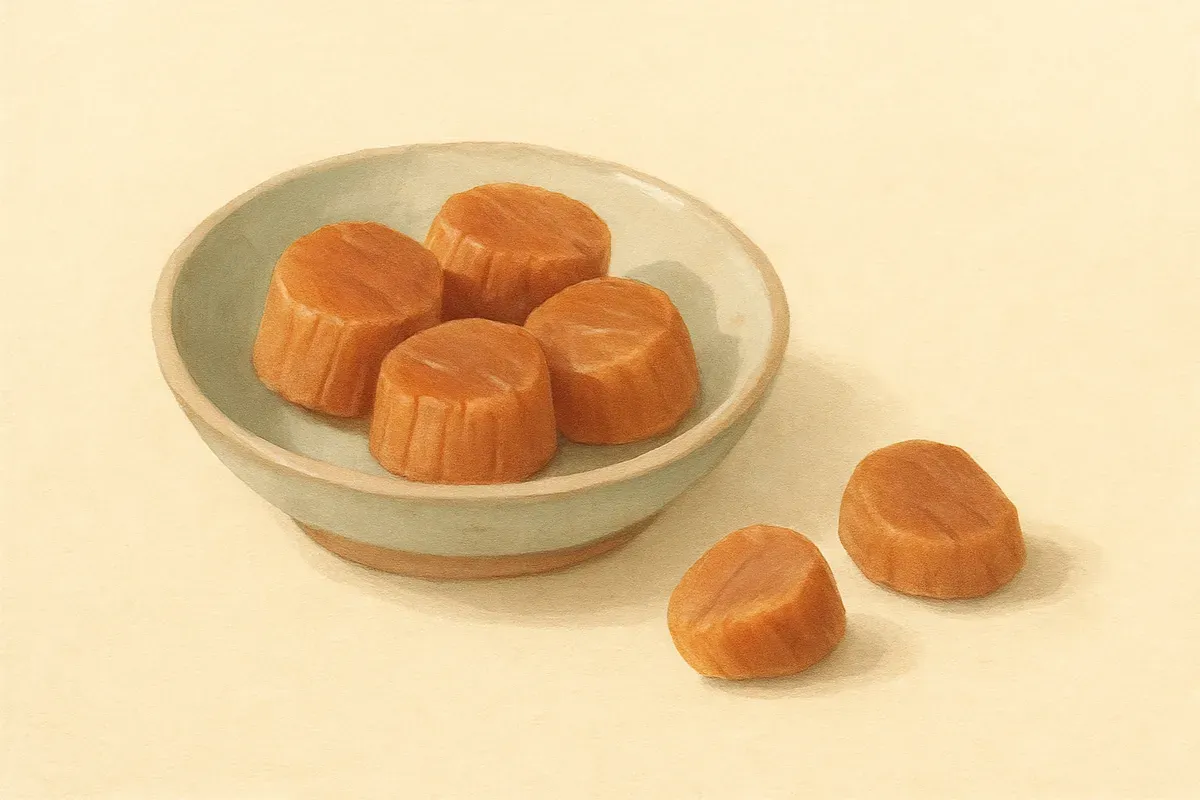
Dried scallops, yao zhu or conpoy, add deep savoury nourishment to confinement soups and congee. Why a few go so far, and how to soak and shred them.
Fish maw, hua jiao, is the prized, collagen-rich delicacy of restorative postpartum soups. Why the tradition reaches for it after birth, and how to prepare it.
Peach gum, tao jiao, is the peach-tree resin that cooks into a collagen-like jelly. Why it is a prized nourishing dessert, and how to soak and cook it.
Snow fungus, yin er, is the ruffled white mushroom that cooks into a silky, collagen-like dessert. Why it is the poor man's bird's nest, and how to use it.
The postpartum weeks are an emotional adjustment as much as a physical one. What confinement gets right about the mind, and when to reach for help.
Confinement only works when the household does, not the new mother. Nine concrete jobs partners and family can take on so she can rest and heal.
Confinement is often dismissed as superstition or misread as oppressive. The common misconceptions, and what the tradition is actually doing underneath them.
Everyone brings something for the baby. Here is what actually helps the mother through her confinement month, from warm food to the gift of a short visit.
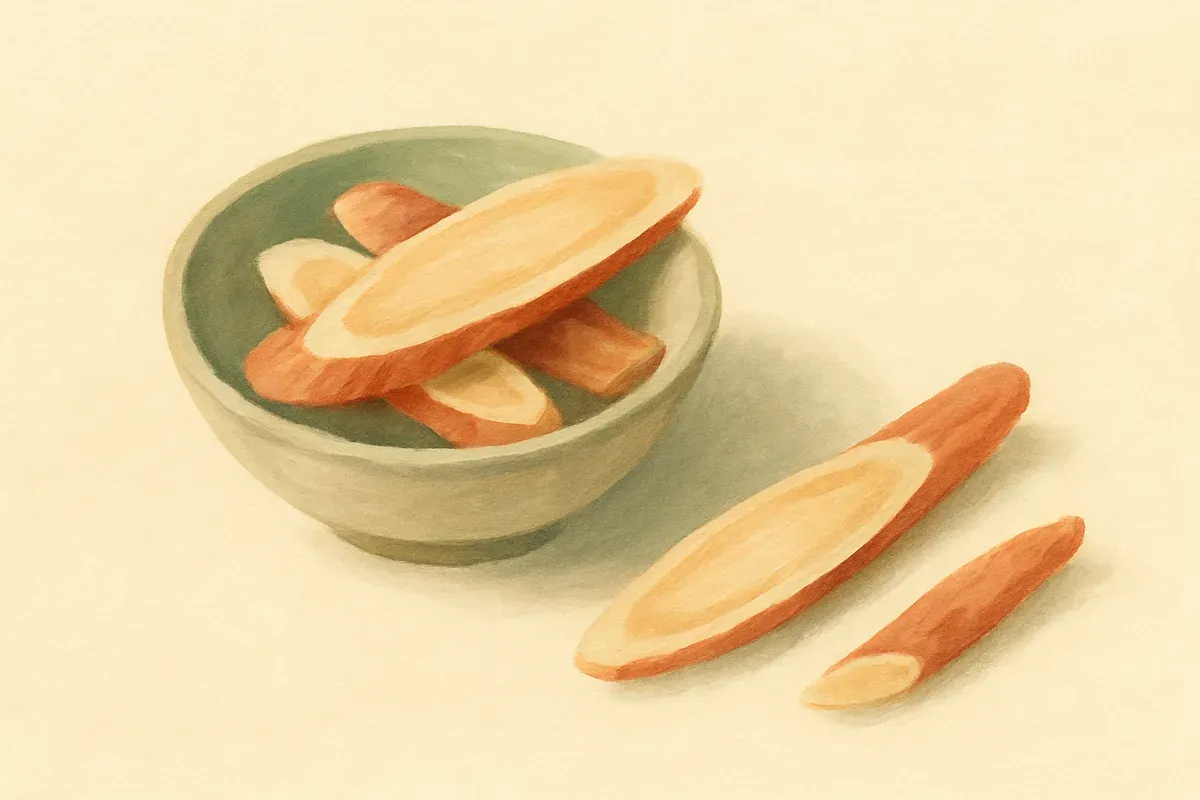
White peony root, bai shao, is the blood herb known as dang gui's partner in the classic postpartum formulas. What it does, and why it is used with care.
Wood ear, hei mu er, is the crunchy black fungus of confinement stir-fries and soups. Why the tradition ties it to blood, its iron, and how to soak and cook it.
Pork ribs steamed with dang gui and red dates. A gentler way to take the classic blood nourishing herbs than a long boiled tonic soup.
Cooking ahead is the single best way to protect the first week. What confinement food freezes well, how much to make, and how to reheat it warm.
Black sesame oil is what makes a dish read as confinement food. Why it is used, how it differs from pale sesame oil, and the low smoke point to respect.
A warm, silky dessert of ground black sesame, gently sweet and deeply nourishing. A comforting way to take one of the confinement kitchen’s key ingredients.
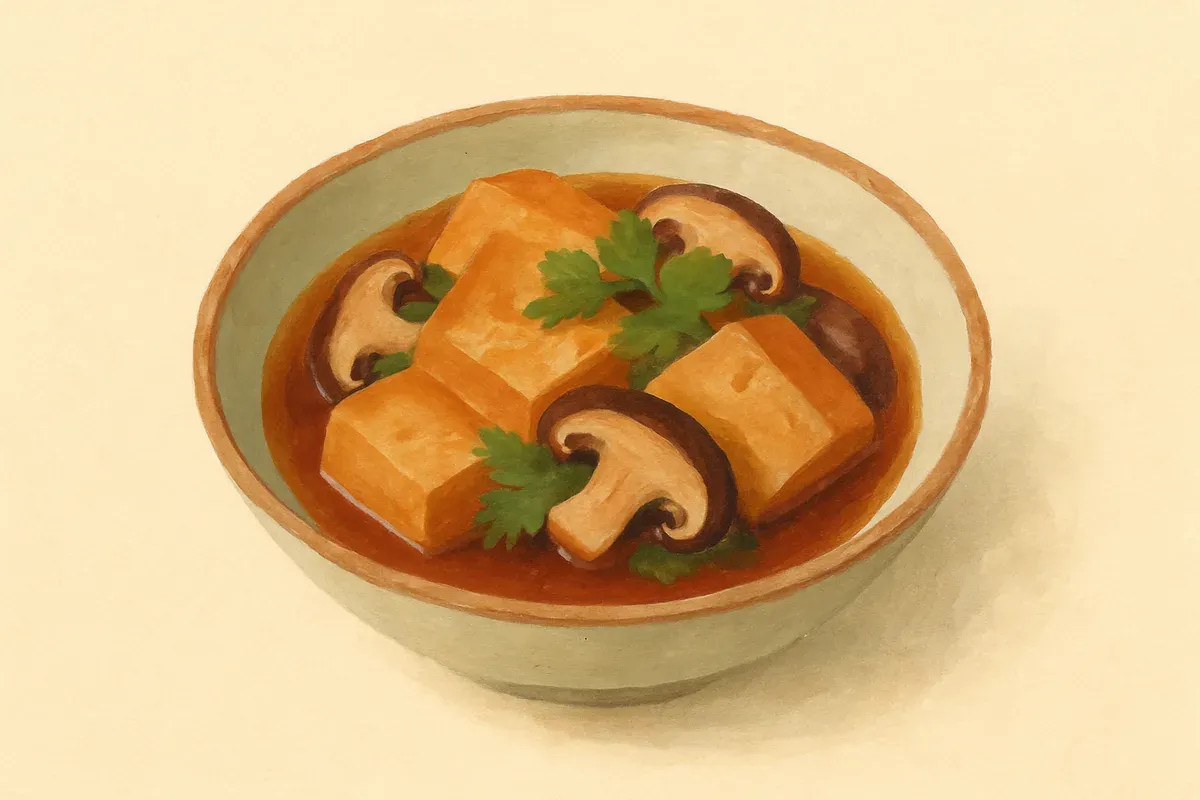
Golden pan-fried bean curd braised with ginger and mushrooms in a light savoury sauce. A gentle, protein-rich vegetarian dish for any week.
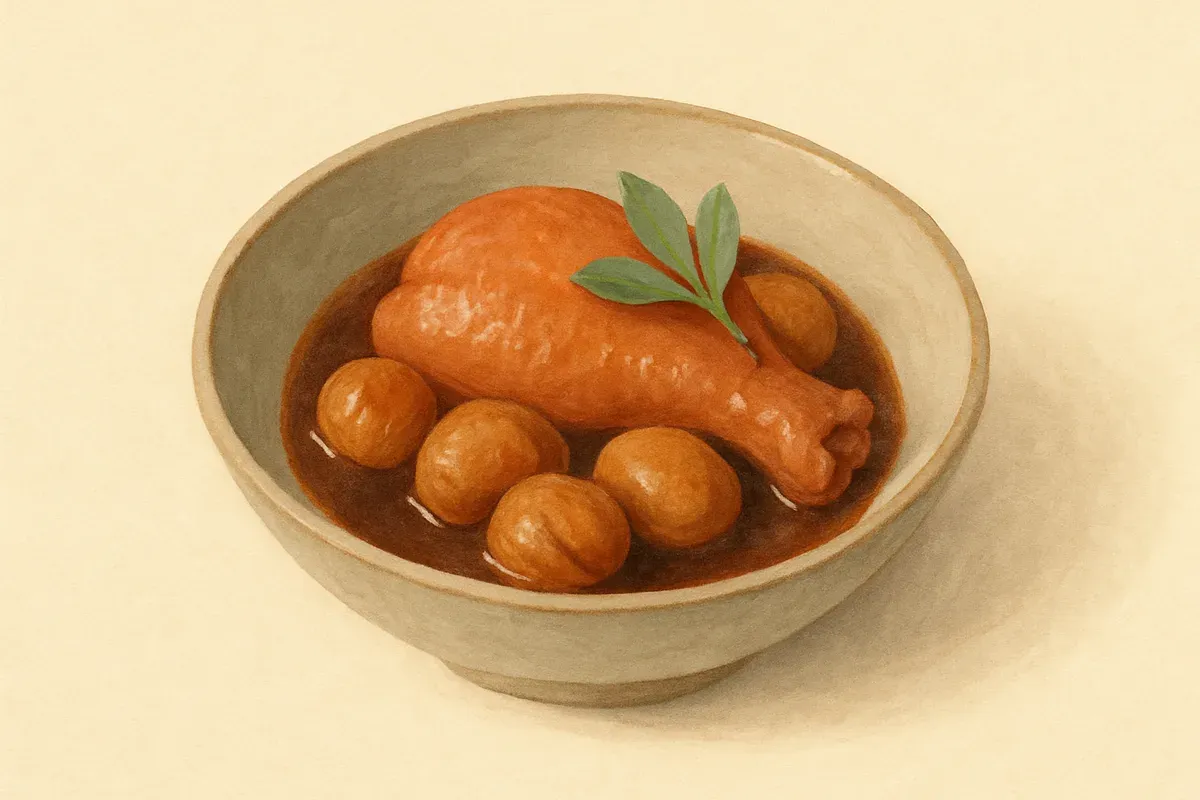
Chicken slow-braised with sweet chestnuts, old ginger and shiitake until tender. A homely, warming main for the settling and rebuilding weeks.
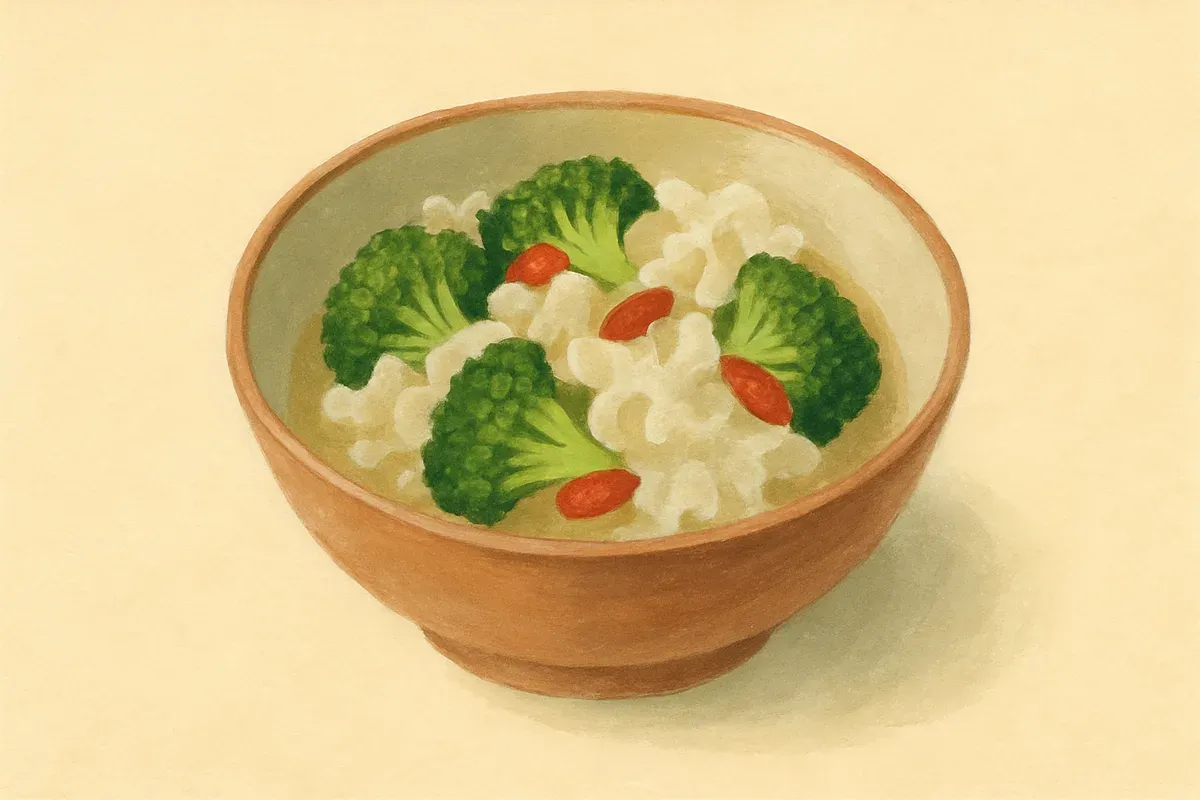
Crisp broccoli tossed with silky white fungus and goji berries in a light ginger glaze. A pretty, nourishing vegetable dish for any week.
Some households discourage brushing during the confinement month. Where the rule comes from, why dental care matters after birth, and the warm water compromise.
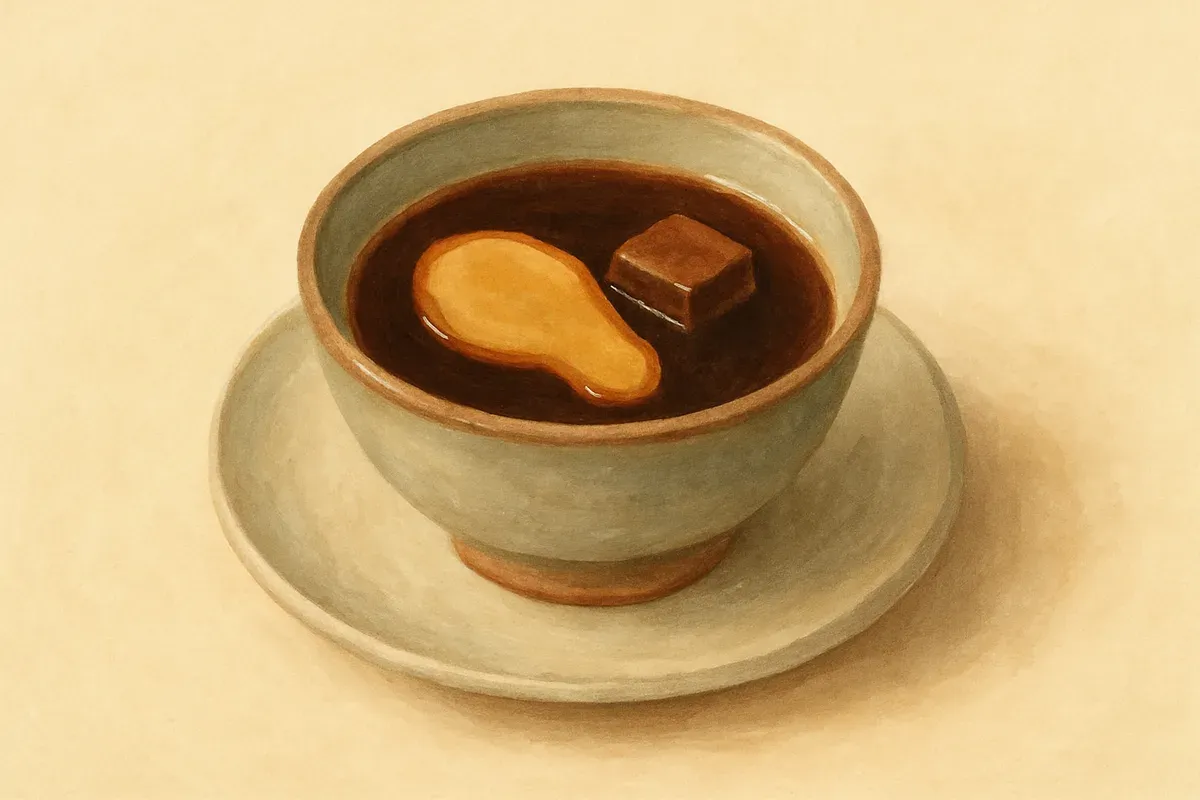
The everyday drink of the confinement month: old ginger simmered with brown sugar and red dates into a warm, sweet tonic. Simple, warming and made in minutes.
Tradition limits washing during the confinement month. Where showers and baths differ, what wound care requires, and the warm routine most families settle on.
The keep warm rule collides with hot weather. How to stay comfortable and safe in a warm climate without abandoning the reasoning behind confinement.
Confinement discourages straining the eyes. What the rule is protecting, what actually happens to vision after birth, and a workable middle ground.
Tradition says no hair washing for the confinement month. What the rule means, where it comes from, and the warm middle ground most families use today.
The Cantonese confinement staple: chicken simmered with old ginger, wood ear and glutinous rice wine. Deeply warming, and a dish for the later weeks.
Dang gui is the most used blood tonic in Chinese medicine. Its role in confinement, why it waits until bleeding settles, and why a little goes a long way.
Everyday rice cooked with job’s tears and red dates for a gently nourishing staple. A simple way to bring a traditional grain into daily meals.
A caesarean is major surgery as well as a birth. What to plan for recovery, movement, food and support during confinement, alongside your care team.
How Chinese confinement fits alongside Australian postnatal care: the short hospital stay, midwife home visits, the child health nurse, and the six week checks.
Confinement is not one practice. How the month differs across northern and southern China, Taiwan, Hong Kong, Malaysia and Singapore, and what stays constant.
The confinement rule to keep warm was written for cold homes, not a 35 degree Australian summer. How to honour the intent behind it without overheating.
How to observe Chinese confinement in Australia when the village is overseas: fitting it around the local health system, and the help available here.
How confinement meal delivery and pre-measured soup packages work in Australia, what to look for, and what they cost. Take the daily cooking off your hands.
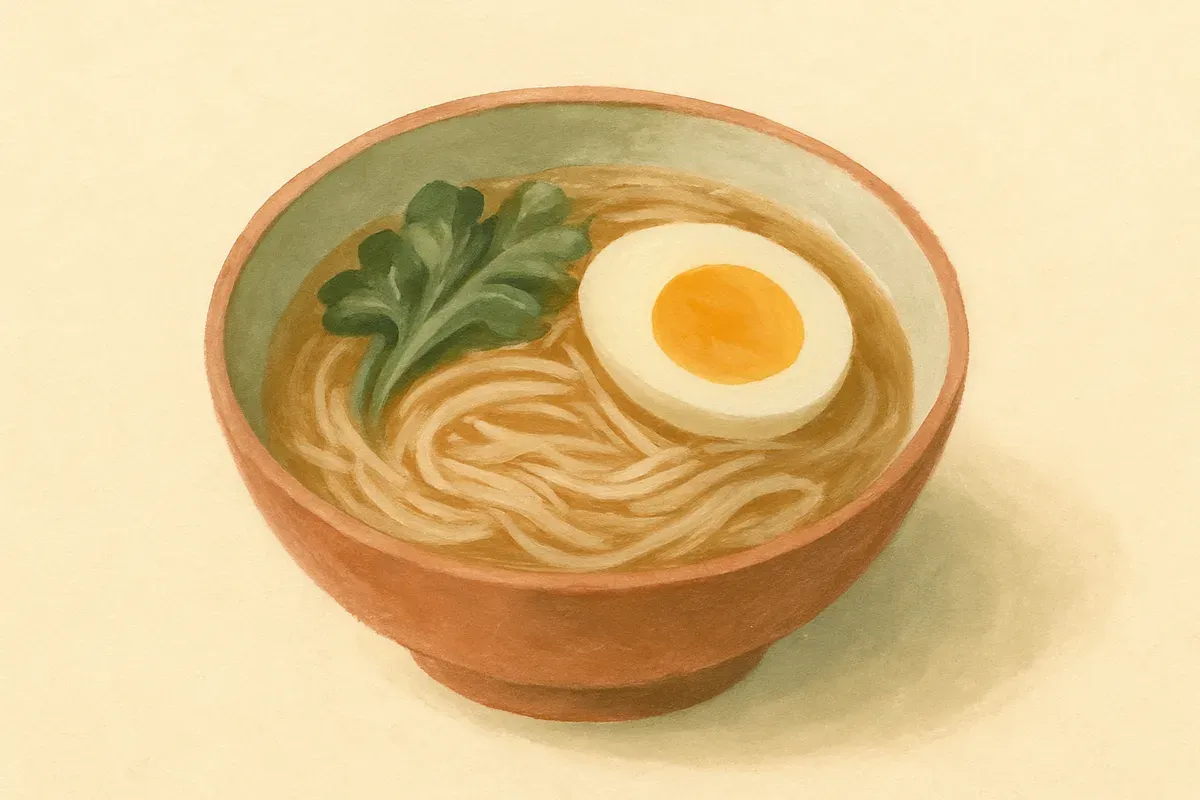
Fine wheat mee sua noodles in a warming ginger and sesame oil broth, topped with a soft egg. A quick, comforting one-bowl meal for any time of day.
What a confinement nanny (pui yuet) does, what they cost in Australia, why they are in short supply, and how to find and vet one.
The main rules of Chinese confinement, and the thinking behind each one. What every custom is actually protecting against, and how families adapt it today.
What to have in before the birth: the pantry staples the confinement kitchen runs on, plus the household and recovery items that make the month easier.
The hardest part of confinement in Australia is doing it without the family it assumes. How to rebuild that support when your mother and relatives are overseas.
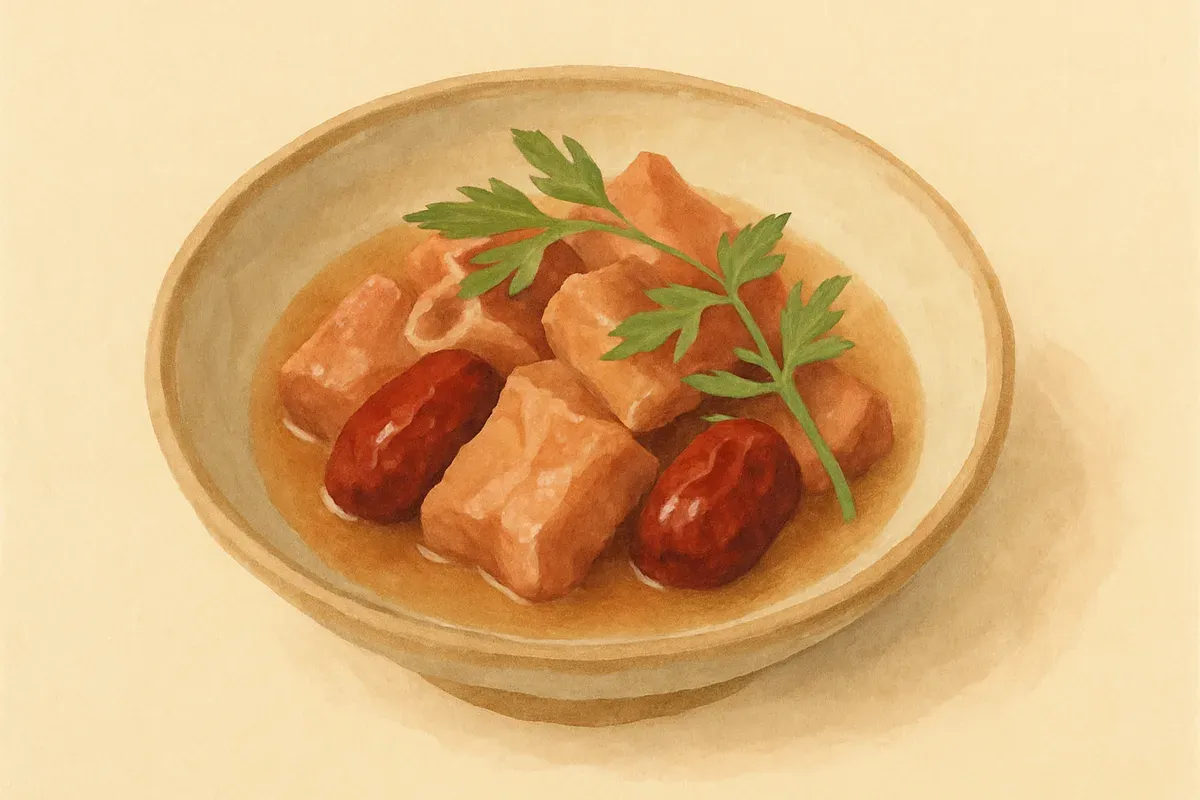
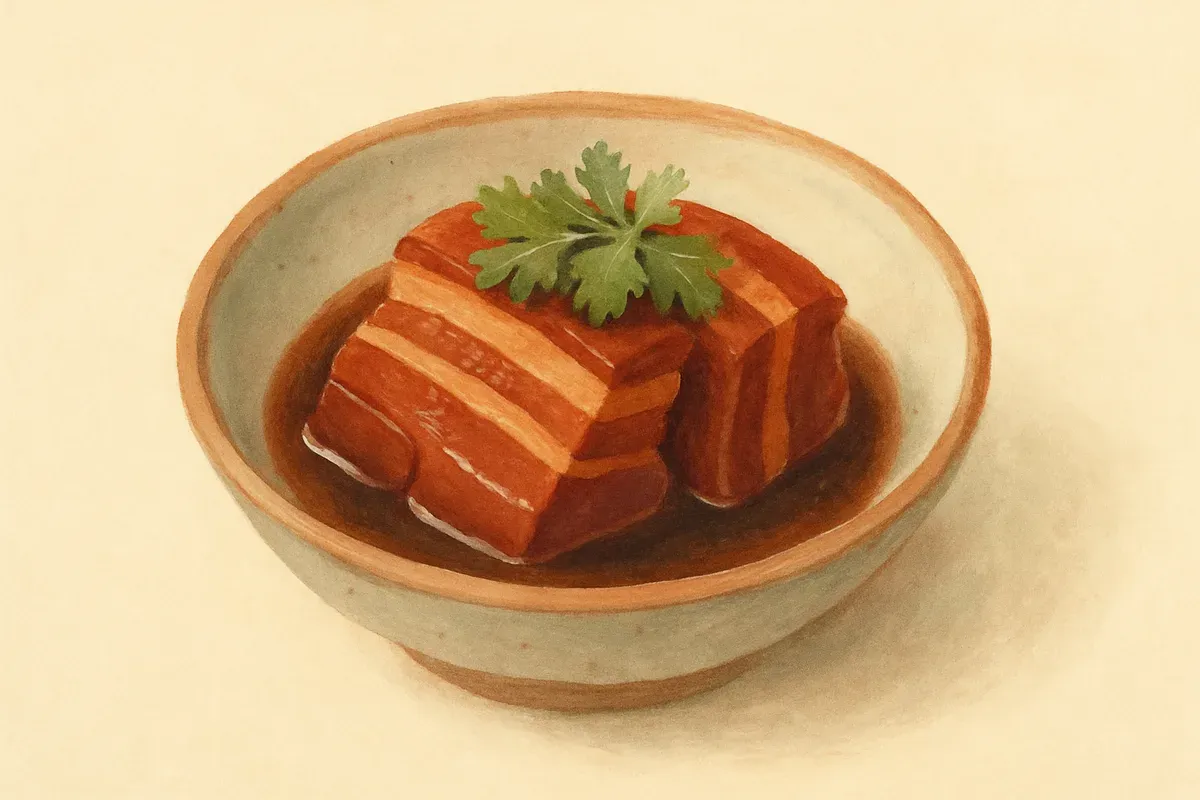
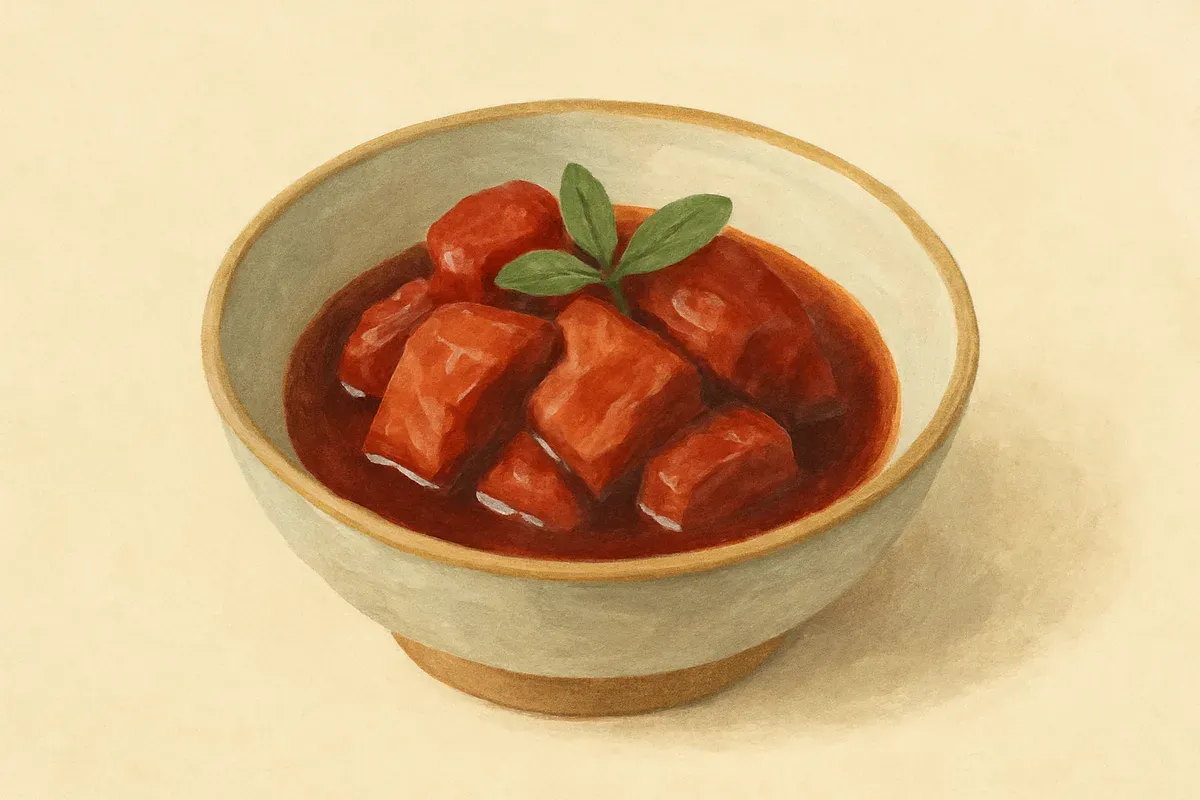
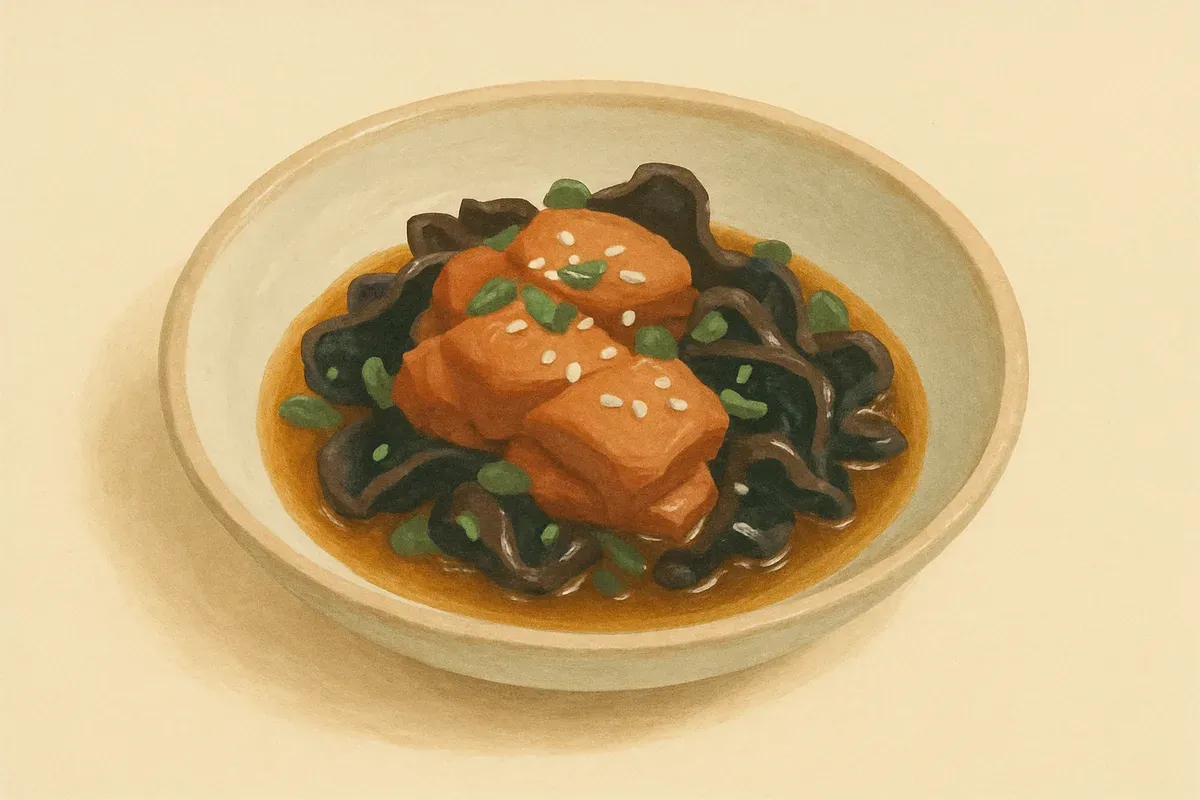
Pork belly slow-braised with old ginger, star anise and dark soy until meltingly tender. A rich, warming dish for the later weeks of the month.
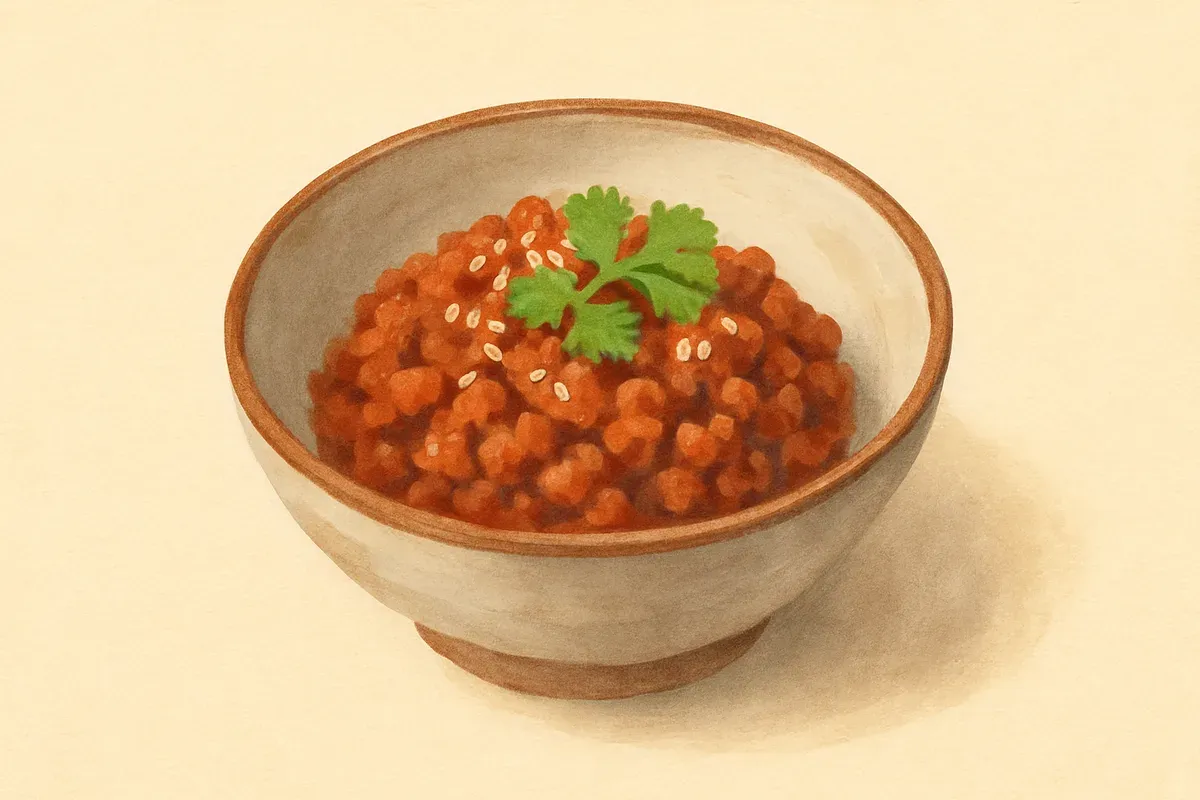
A fast weeknight confinement dish: minced pork stir fried with plenty of ginger in black sesame oil. Fifteen minutes, one pan, freezes well.
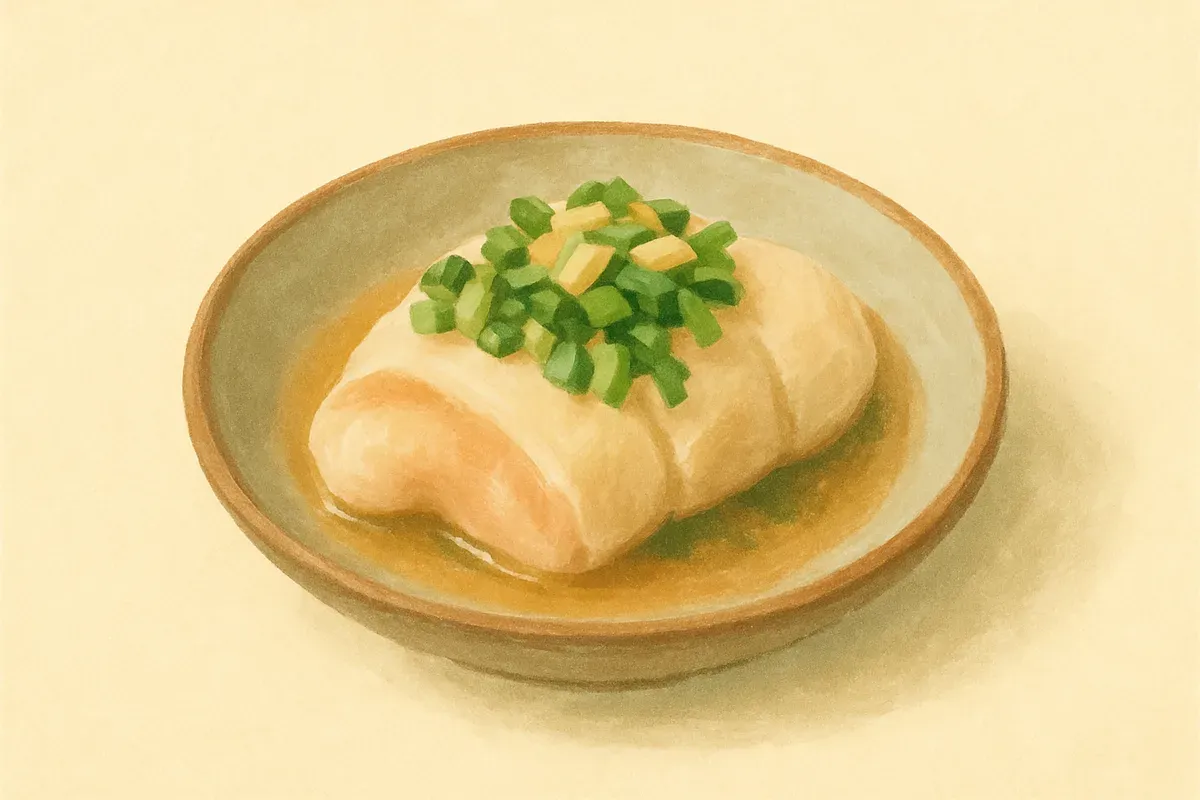
Chicken steamed with ginger and finished with a sizzle of spring onion oil. Clean, gentle and warming, a lighter chicken dish for any week of the month.
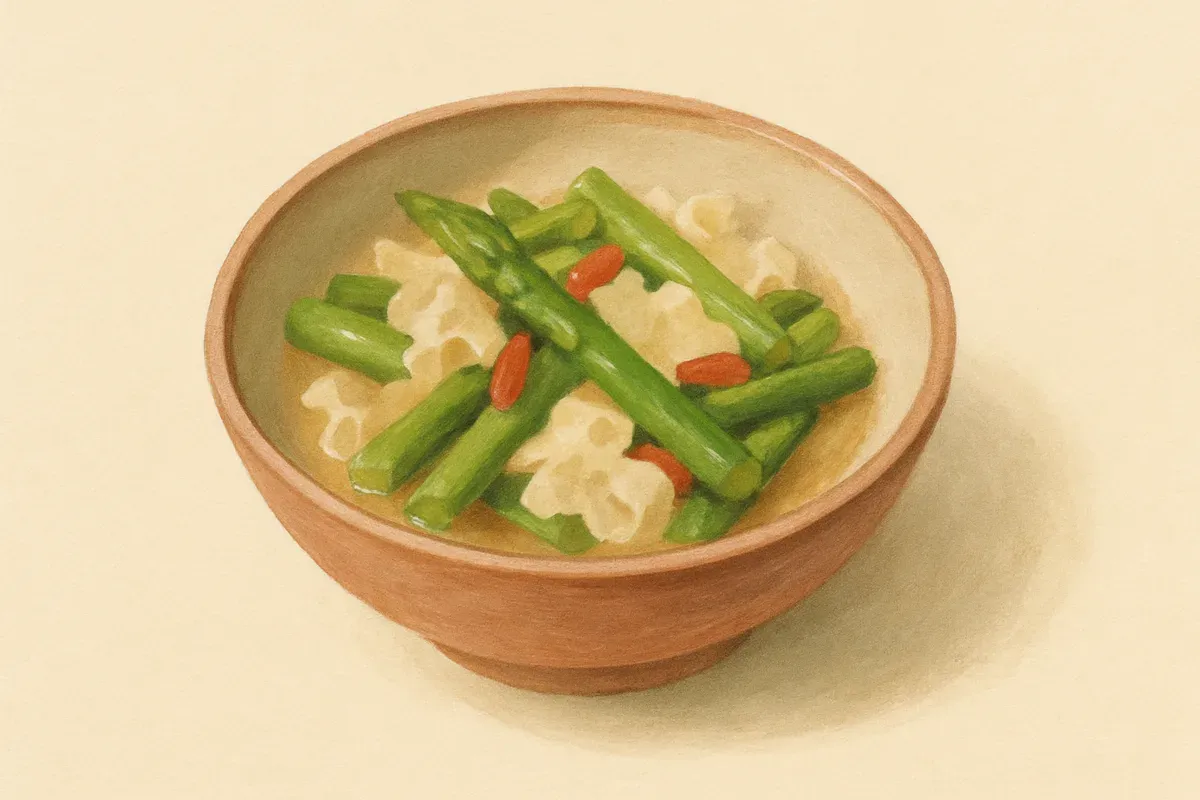
Asparagus stir-fried with ginger, soft white fungus and goji. A light, colourful vegetable side that still keeps to the warming palette.
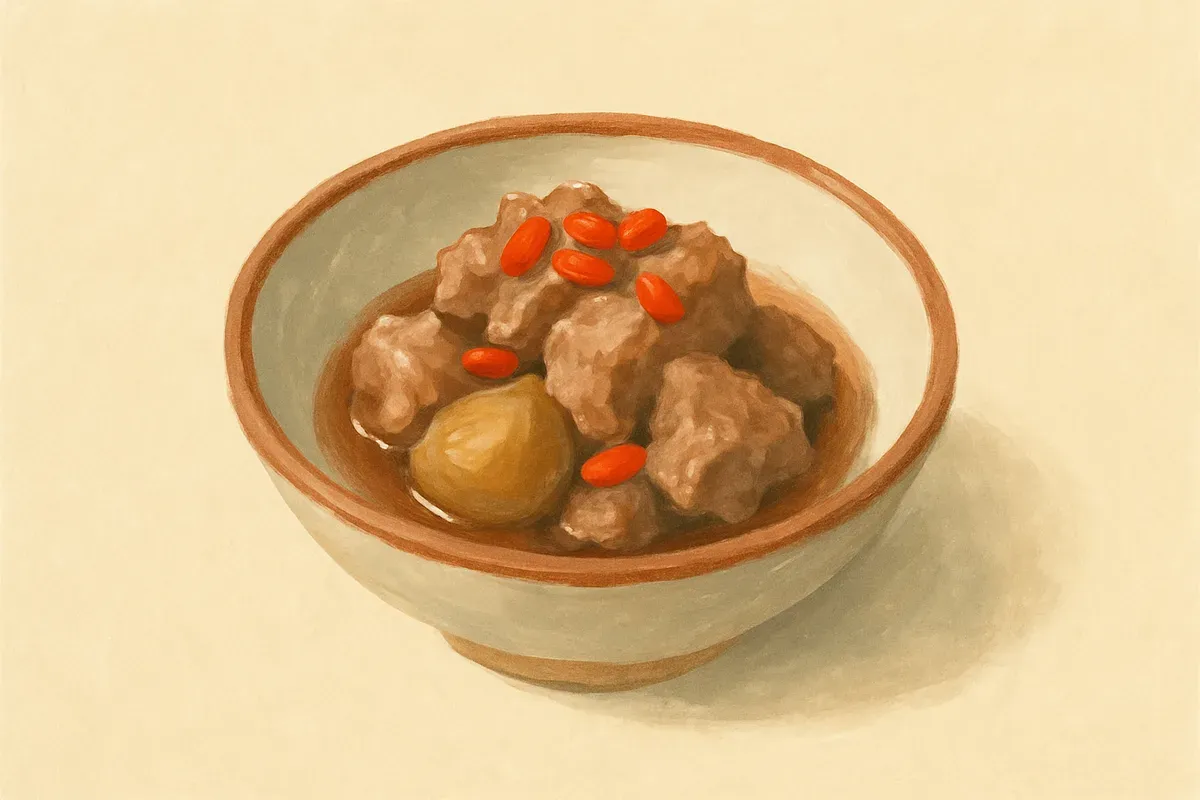
Tender pork ribs steamed over sweet chestnuts and goji berries. A gentle, nourishing dish that suits the middle weeks of the month.
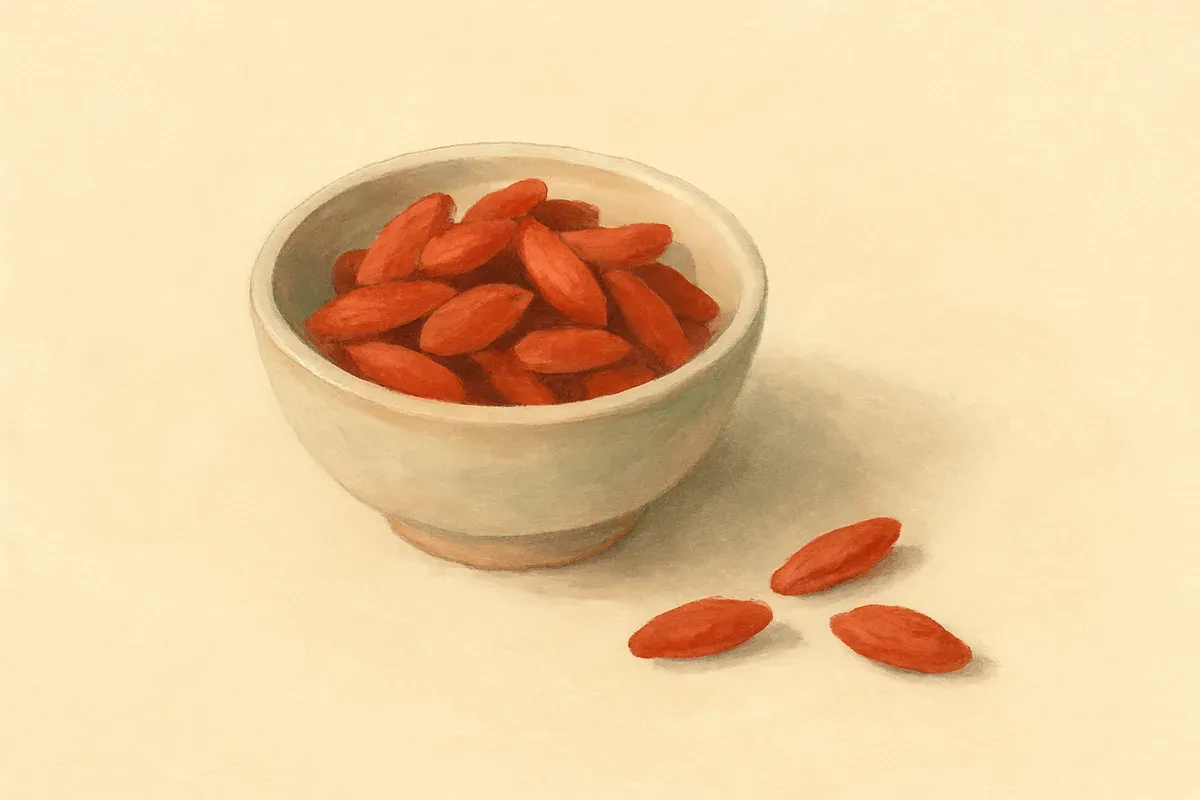
Goji berries appear throughout confinement cooking. Why the tradition links them to the liver, kidneys and eyesight, and how to add them without overcooking.
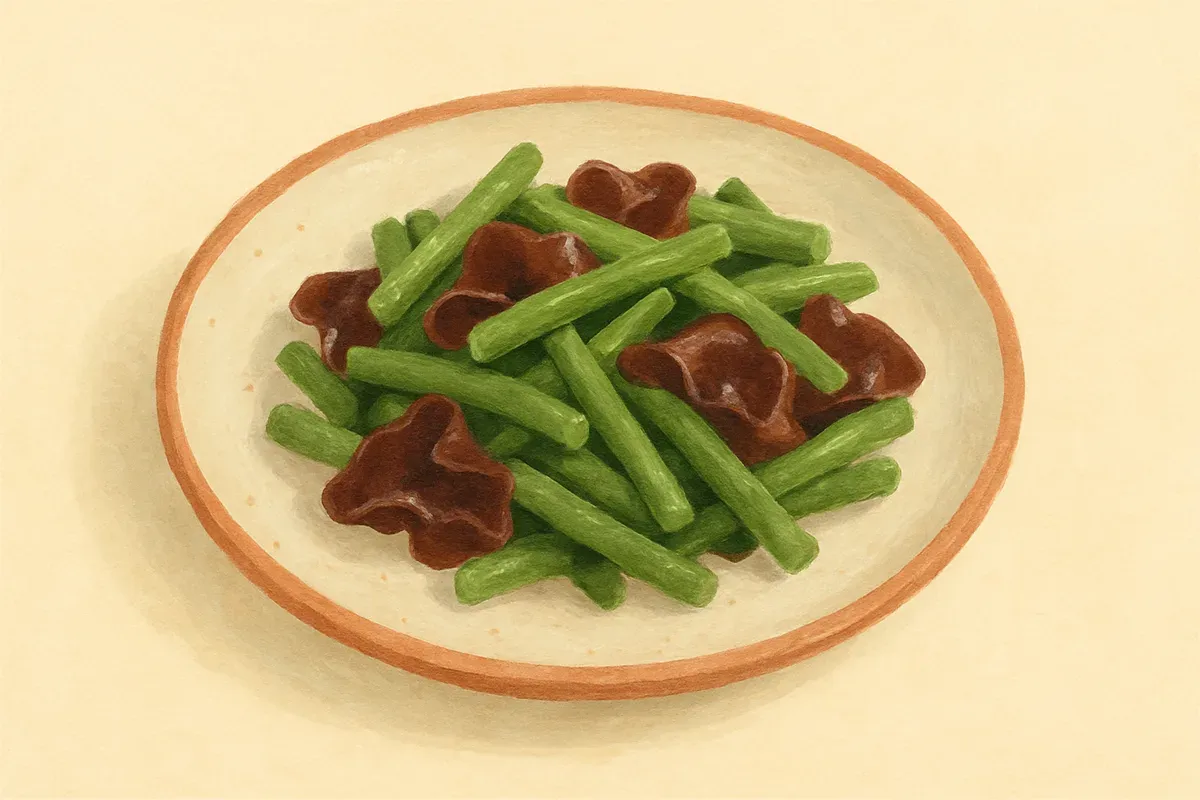
Green beans and black wood ear stir-fried with ginger and garlic. A quick, crunchy vegetable dish with a blood nourishing note from the fungus.
Green papaya soup is the classic confinement dish for milk supply. What green papaya is, the tradition behind it, what the evidence says, and how to use it.
Confinement is older than the thirty day rule suggests. Where zuo yue zi came from, how long it once lasted, and how it survived migration and modernity.
The Fuzhou confinement signature: chicken braised in red rice wine lees with old ginger, deep red, savoury and warming. A festive dish for the later weeks.
The confinement month is not one flat stretch of rest. It moves through three stages, each with its own focus, food and level of activity.
Confinement asks a new mother to stay in and rest. What that means in practice, why complete stillness is not the goal, and when going out is fine.
Confinement goes far more smoothly when the groundwork is done in advance. What to sort out before the birth: food, help, the home and supplies.
A warm, naturally sweet tea of dried longan and red dates. A gentle blood nourishing drink to sip through the day in place of cold water.
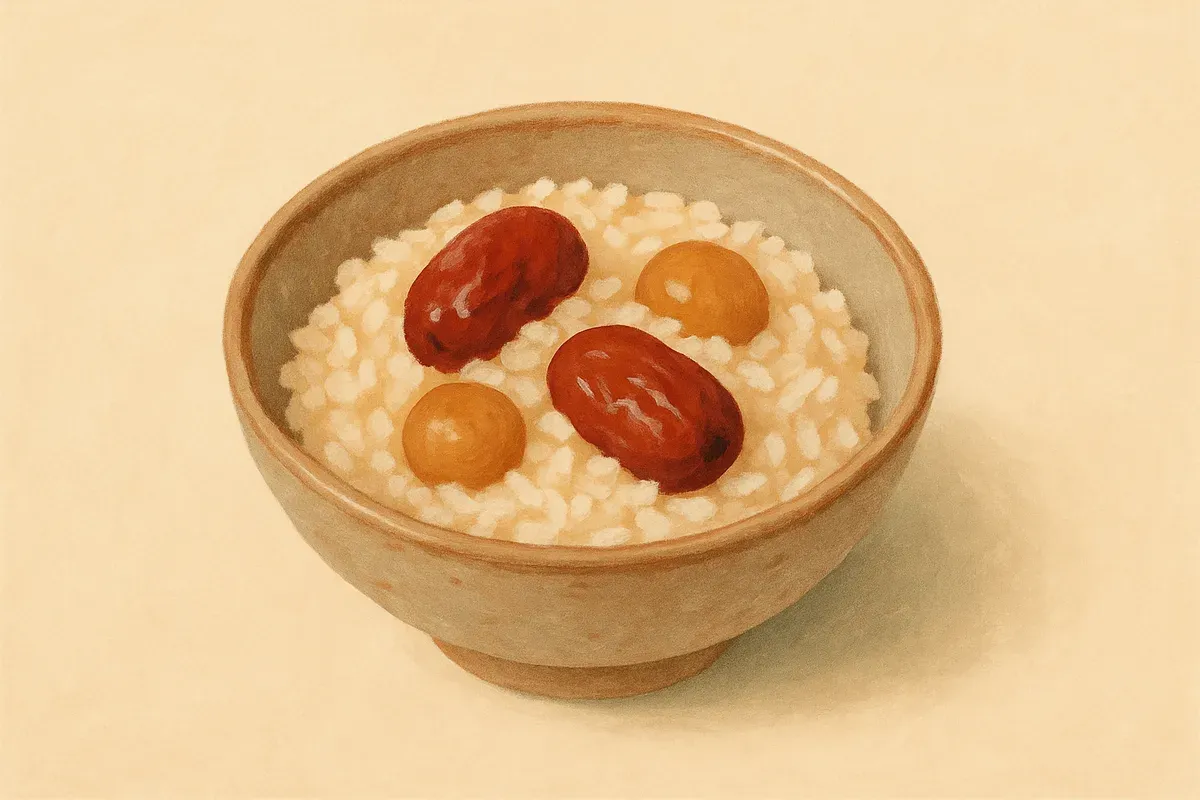
Sticky glutinous rice steamed with dried longan and red dates, lightly sweet and warming. A comforting confinement treat for the settling weeks.
Dried longan sweetens confinement teas and soups and carries its own traditional role, nourishing blood and calming the spirit. How to use it and buy it.
The quiet staple of the confinement month: golden millet simmered soft with red dates. Warm, easy to digest and gentle on a recovering system.
Old ginger is in almost every confinement dish for one reason: warmth. What makes it different from young ginger, its role in TCM, and how to buy and use it.
How the government Paid Parental Leave scheme maps onto the confinement month, including the partner days that let a partner be home to help.
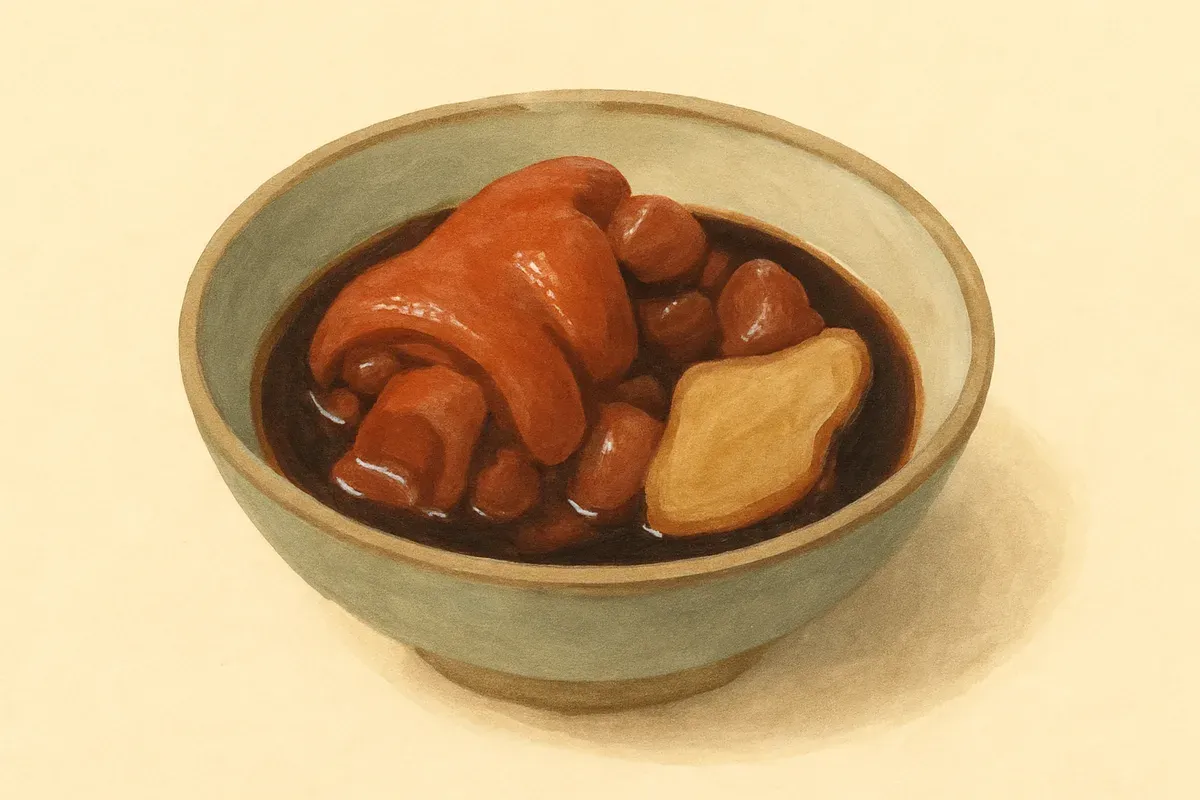
Pork trotter braised slow with peanuts until sticky and tender. A traditional dish for milk supply, distinct from the vinegar trotter of the first days.
The Cantonese confinement classic. Trotters simmered for hours in sweetened black vinegar and old ginger, and the one dish worth buying the right vinegar for.
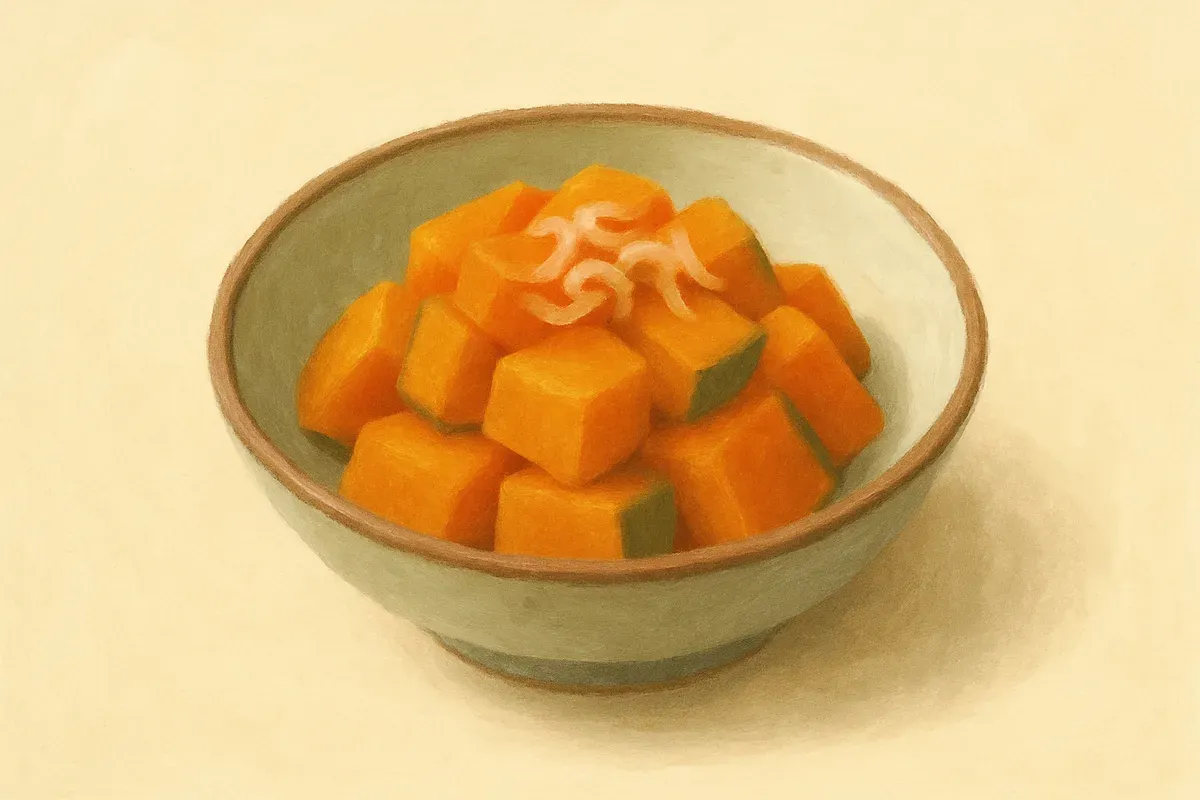
Soft, sweet pumpkin braised with savoury dried shrimp and ginger. An easy, comforting vegetable dish that suits any week of the month.
Almost every confinement rule follows from a handful of TCM concepts. What qi, blood, cold, wind and damp mean, and how each rule descends from them.
The everyday drink of the confinement month: warm, faintly sweet, and made in one pot. What goes in it, why, and how to keep a flask going all day.
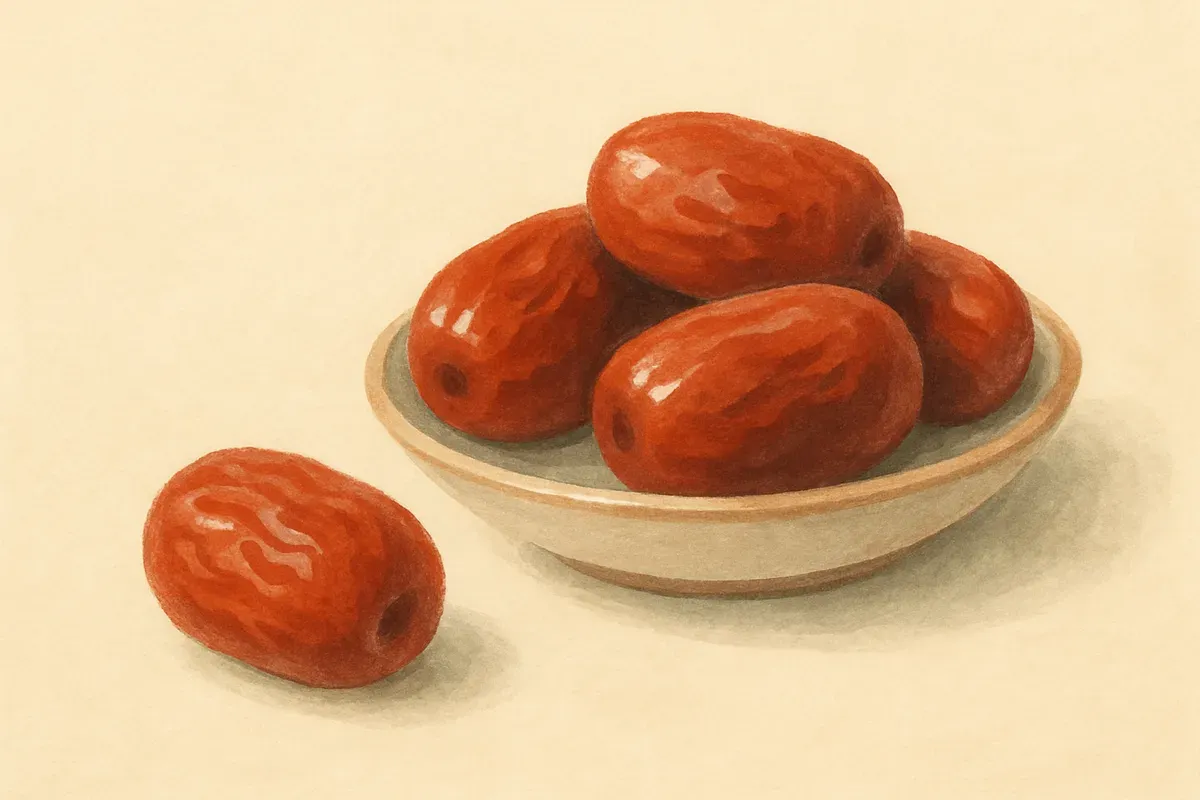
Red dates appear in almost every confinement soup and tea. Why the tradition treats them as a blood tonic, how they harmonise a dish, and how to prepare them.
Pork belly braised in red rice wine lees with old ginger, deep red and savoury. The Fuzhou companion to hong zao chicken, for the rebuilding weeks.
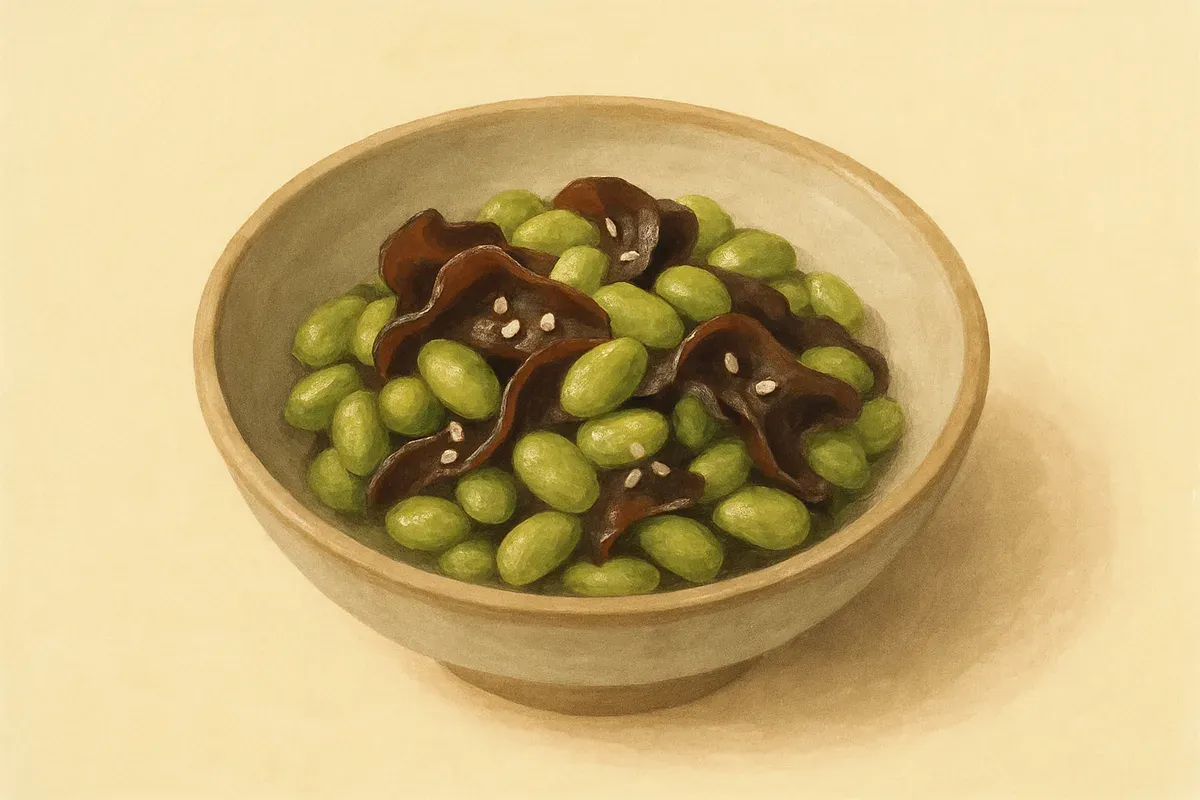
Edamame and black wood ear tossed in black sesame oil and ginger. A quick, protein-rich vegetable dish for the middle and later weeks.
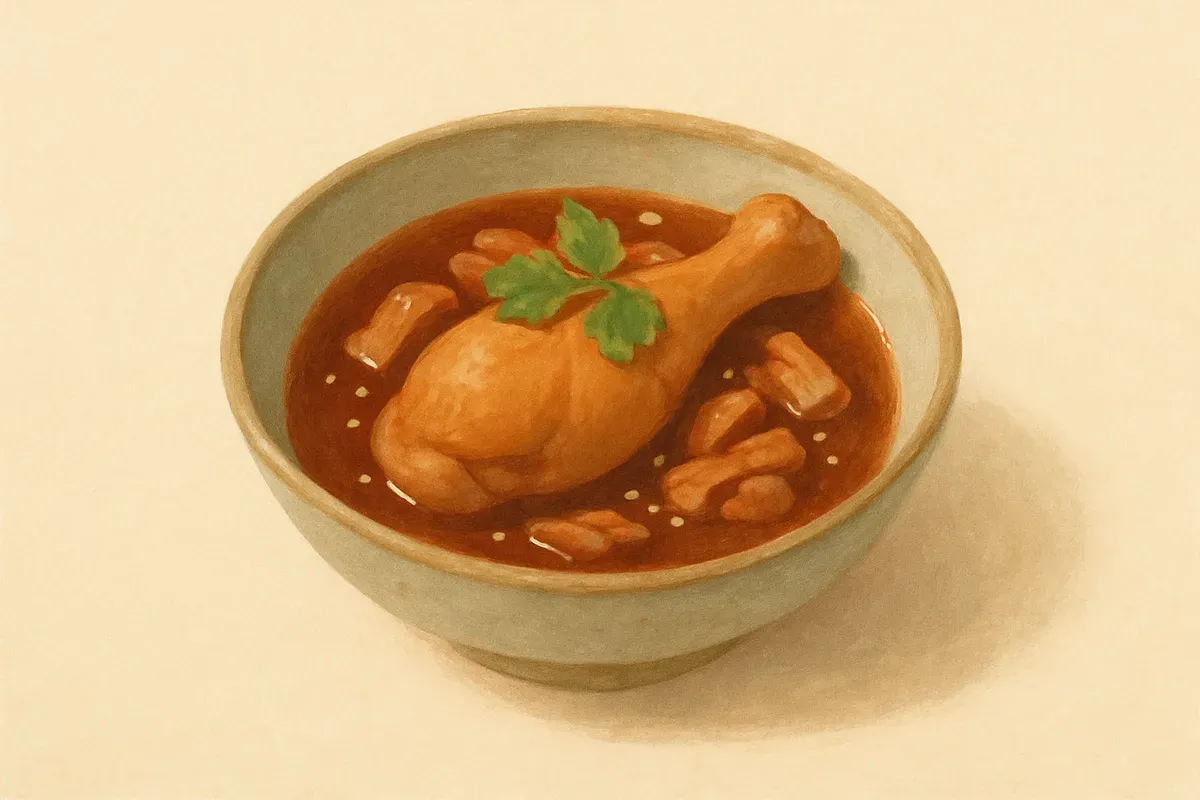
The Taiwanese confinement signature. Chicken browned in black sesame oil with a mountain of old ginger, then simmered in rice wine until deeply savoury.
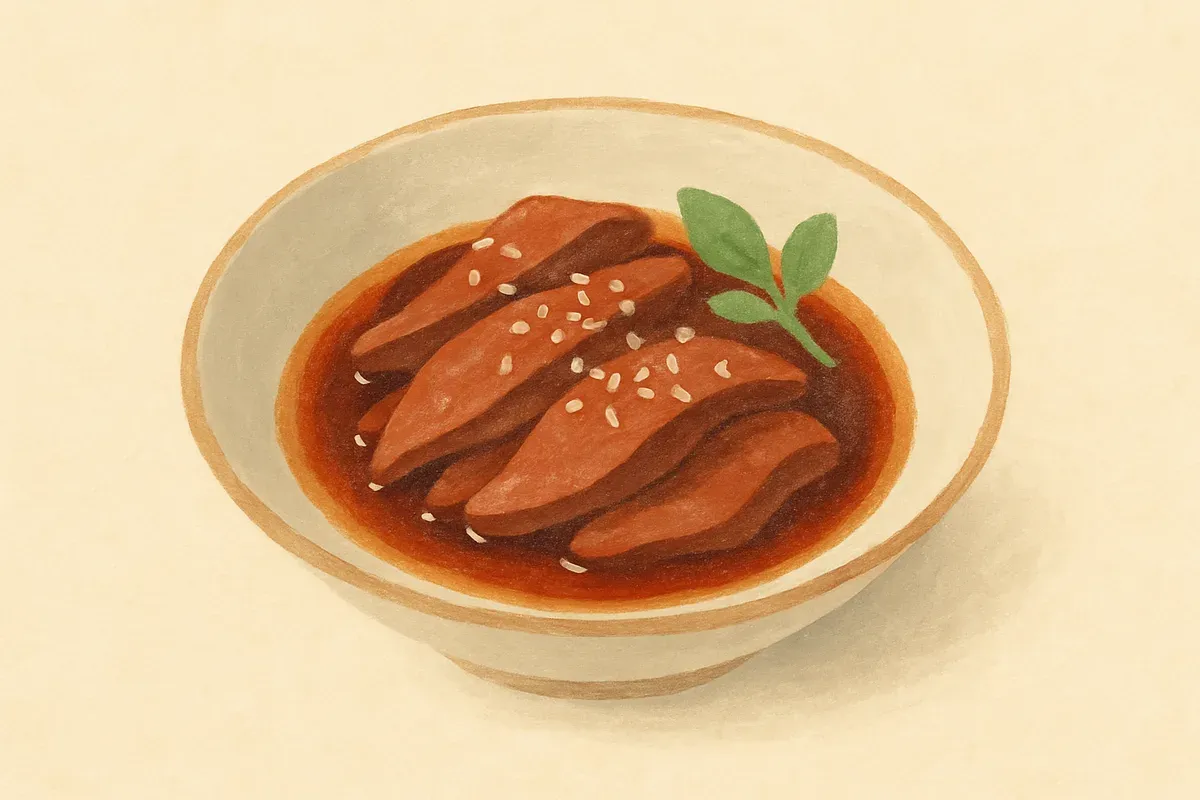
A classic blood nourishing confinement dish: pork liver flashed in black sesame oil and old ginger. Quick to cook, and eaten early in the month by tradition.
Sliced pork stir-fried fast in black sesame oil and ginger with black wood ear. A quick, warming everyday plate for the middle and later weeks.
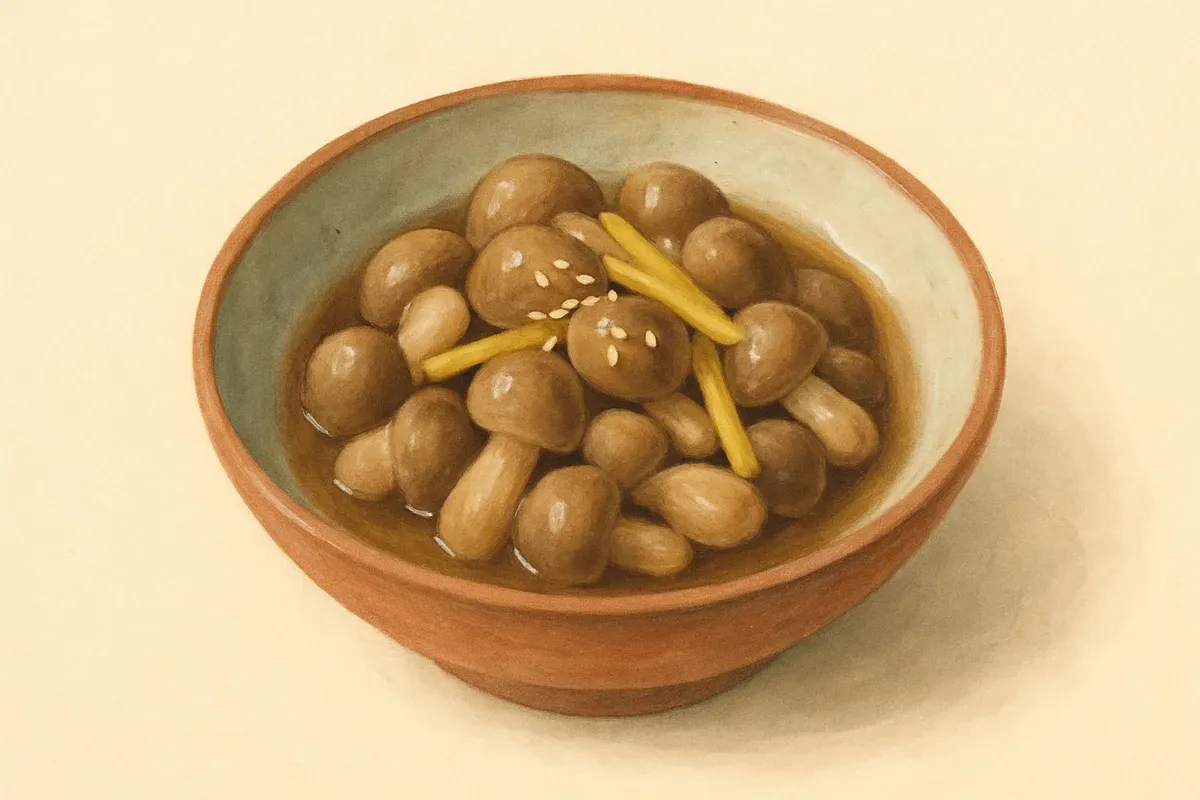
Straw mushrooms tossed in black sesame oil with plenty of old ginger. A quick, warming, umami-rich vegetable side for the middle and later weeks.
Warm food and drink sit at the centre of confinement. Which foods count as cooling, the reasoning behind the rule, and how to eat well while keeping it.
Belly binding is a fixture of confinement across Asia. What it is traditionally for, what it can and cannot do, and how to use one comfortably.
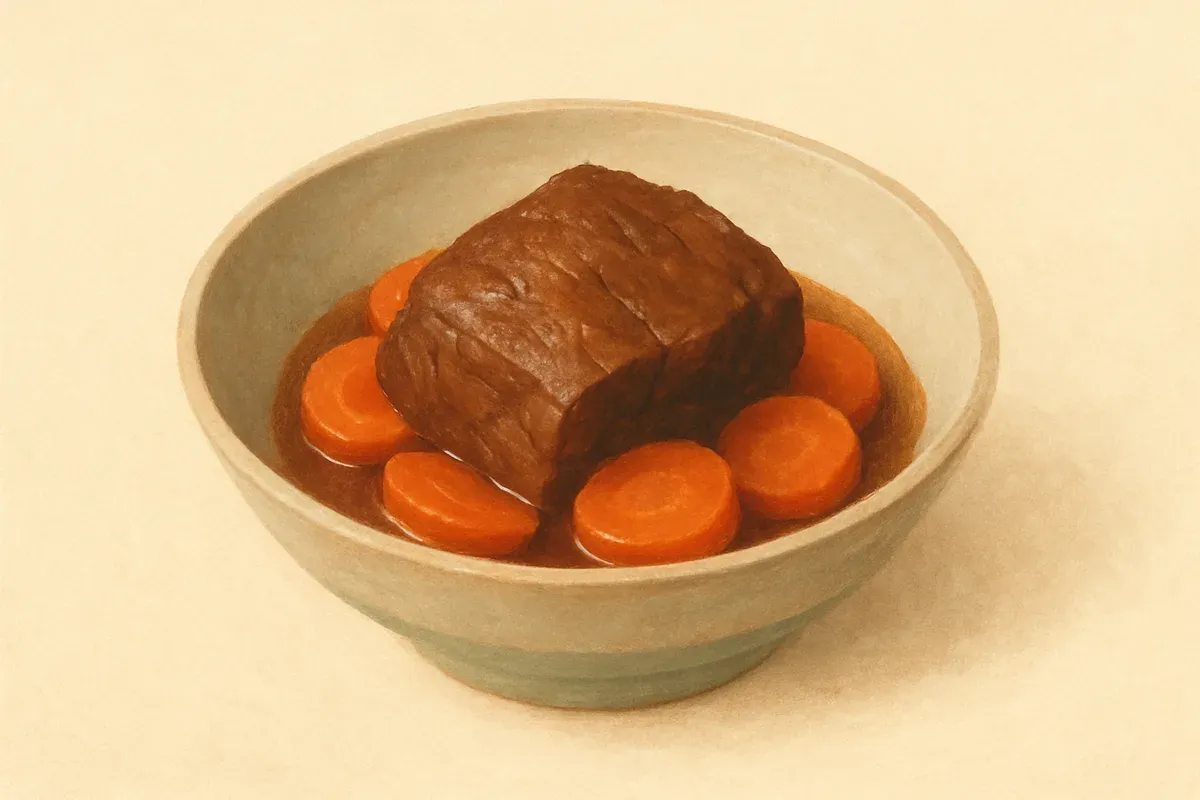
Beef and carrots braised slow with star anise and ginger until tender. A warming, blood nourishing dish for building strength in the later weeks.
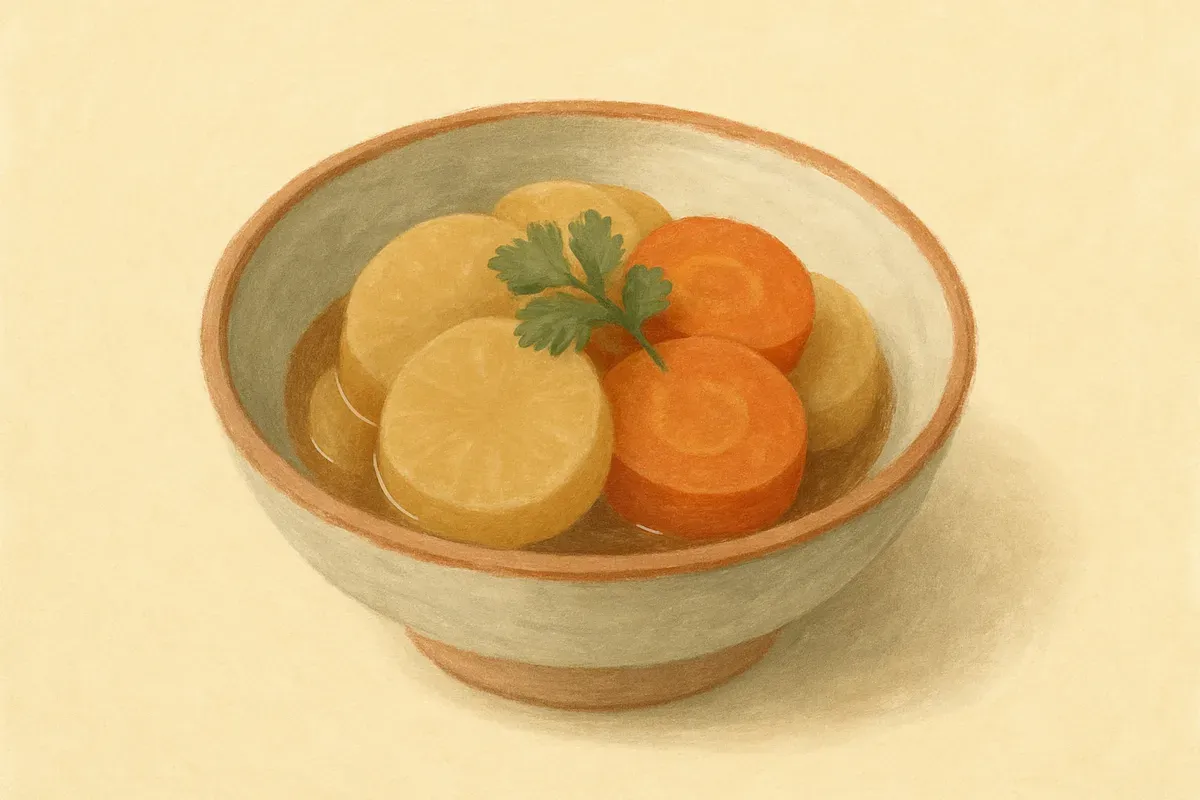
Daikon and carrot braised soft in a light savoury sauce with mushroom. A gentle, comforting vegetable dish that carries the flavour of whatever it cooks with.
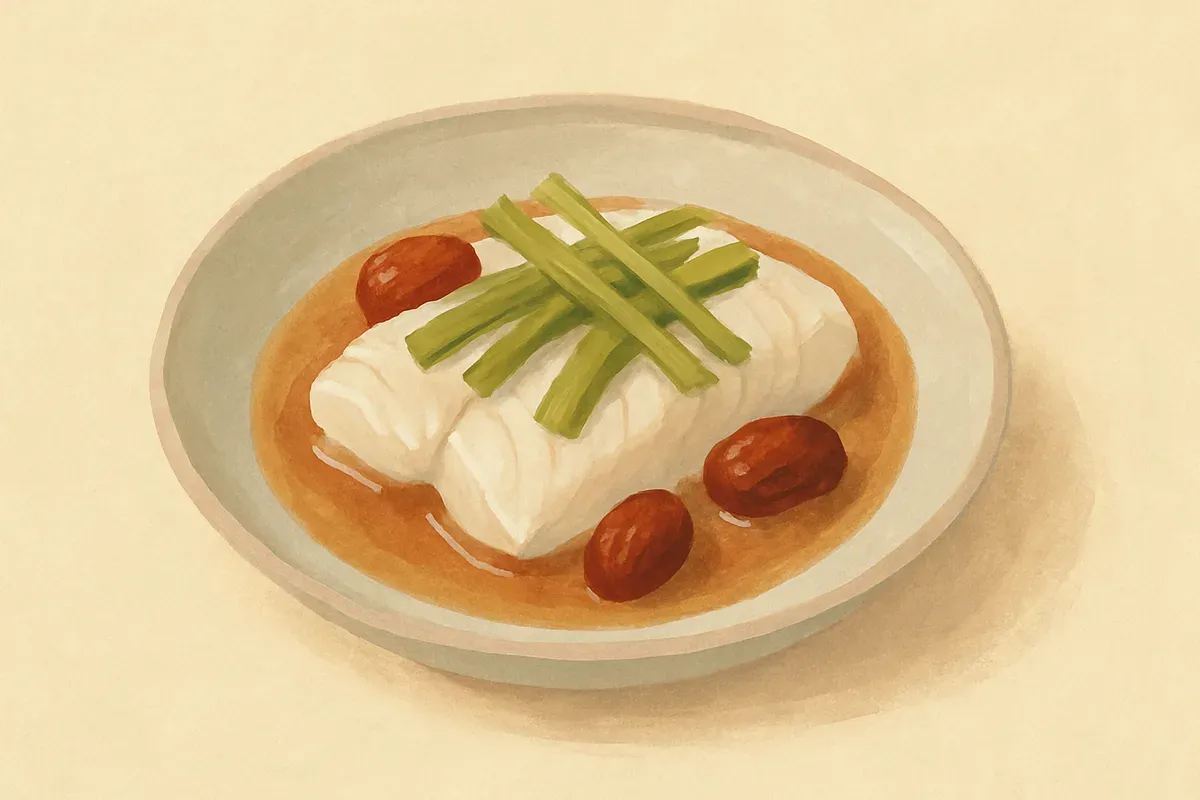
A delicate fish fillet steamed with a little angelica root, red dates and ginger. Gentle and nourishing, an easy way to bring herbs to the table.
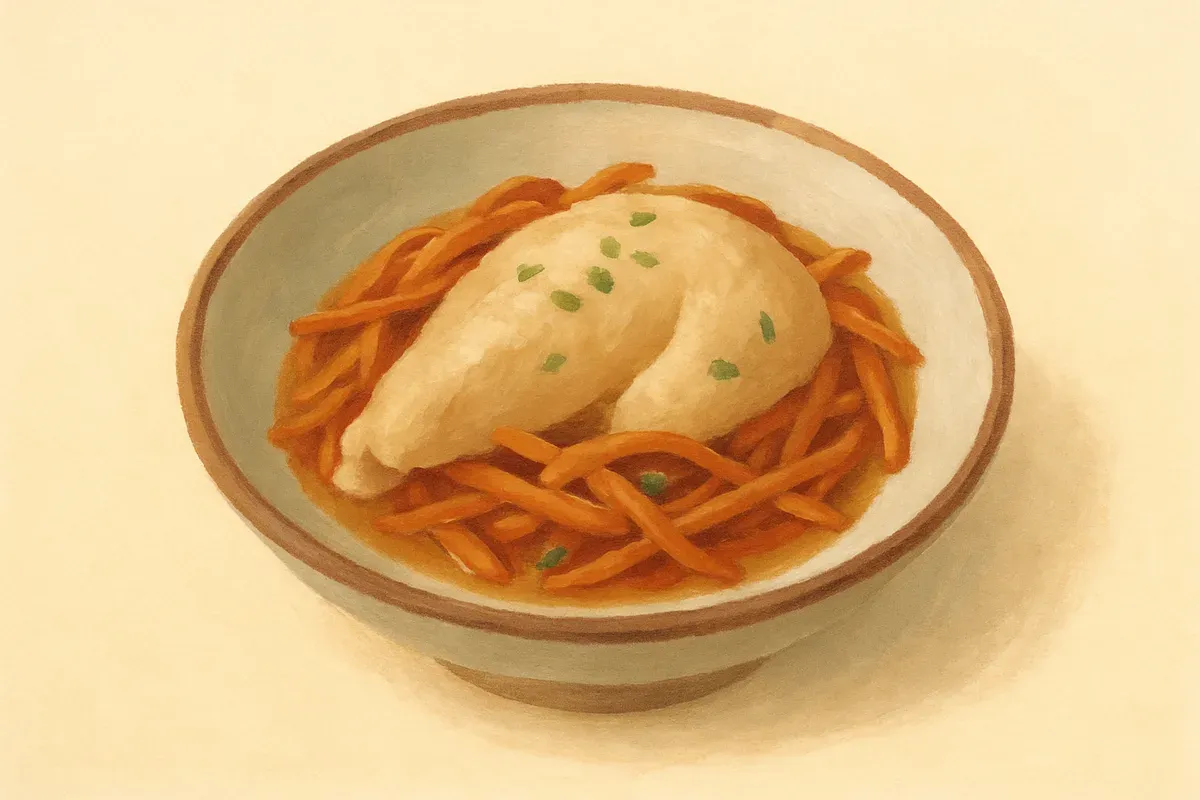
Chicken steamed over dried lily flowers, shiitake and goji until just cooked. A light, gentle main for the middle weeks of the month.
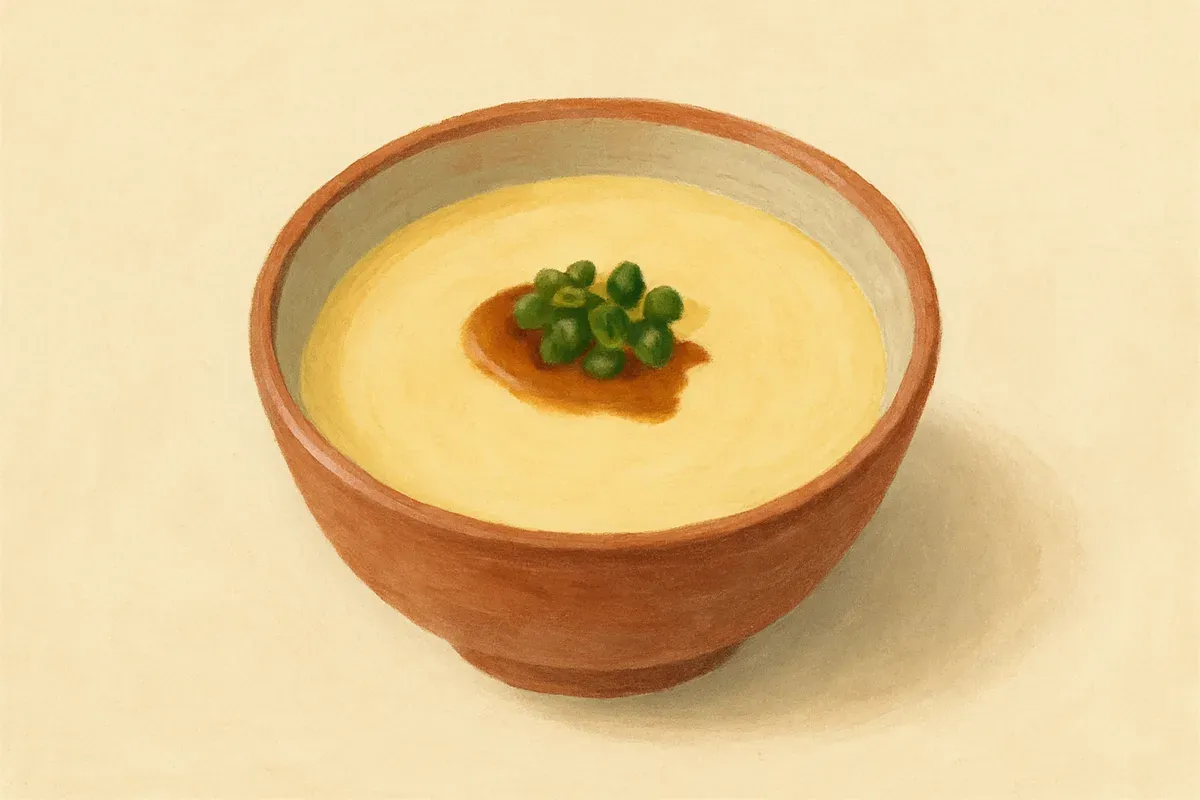
The gentlest confinement dish: eggs whisked with warm broth and steamed to a soft, savoury custard. Easy to digest and kind to a delicate first week appetite.
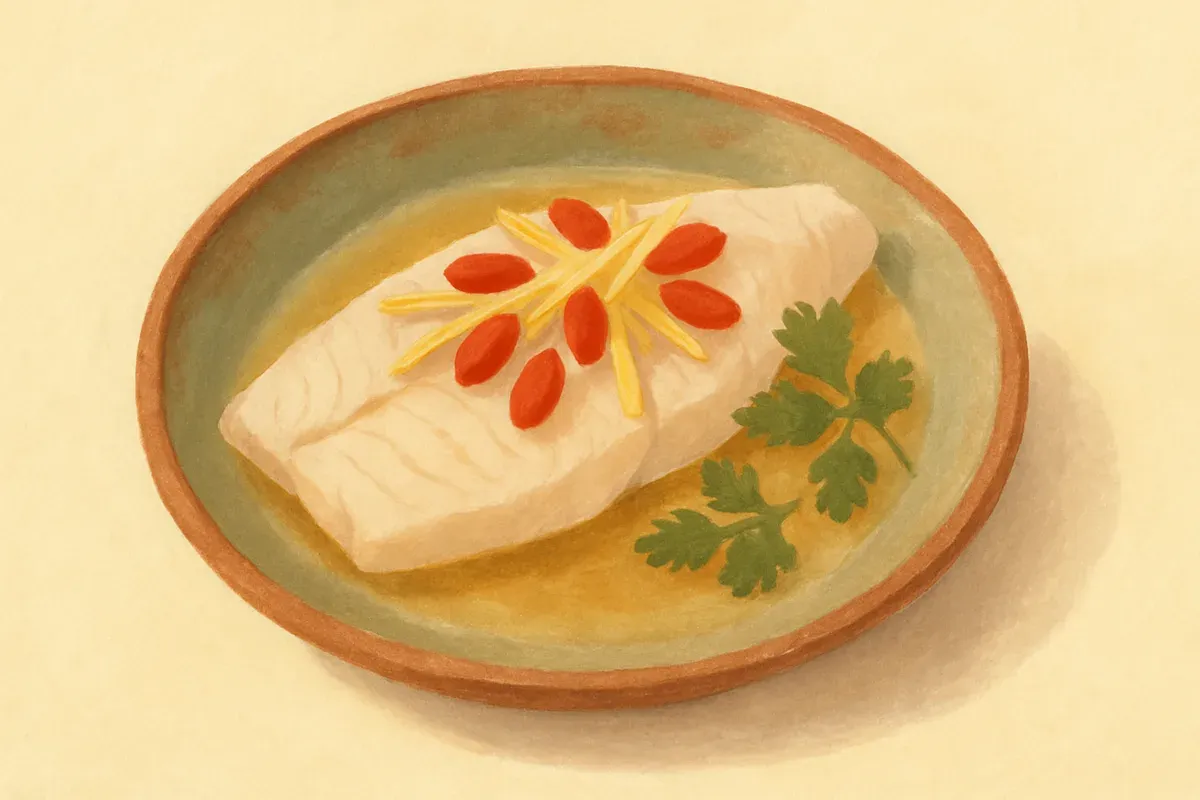
A light, quick confinement dish for the early weeks: white fish steamed with ginger, goji and a little rice wine, finished with hot oil and spring onion.
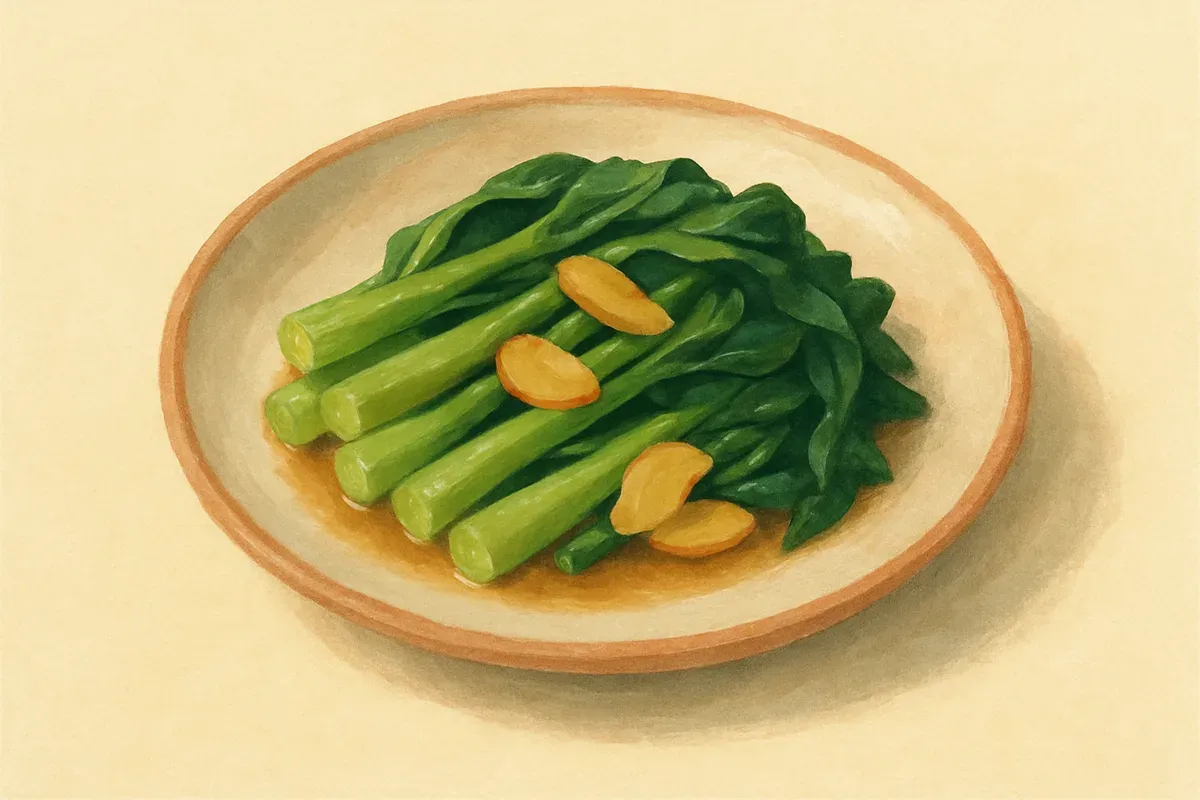
Warm greens for the confinement table: Chinese broccoli blanched and tossed with plenty of ginger and garlic. The side the rich dishes need.
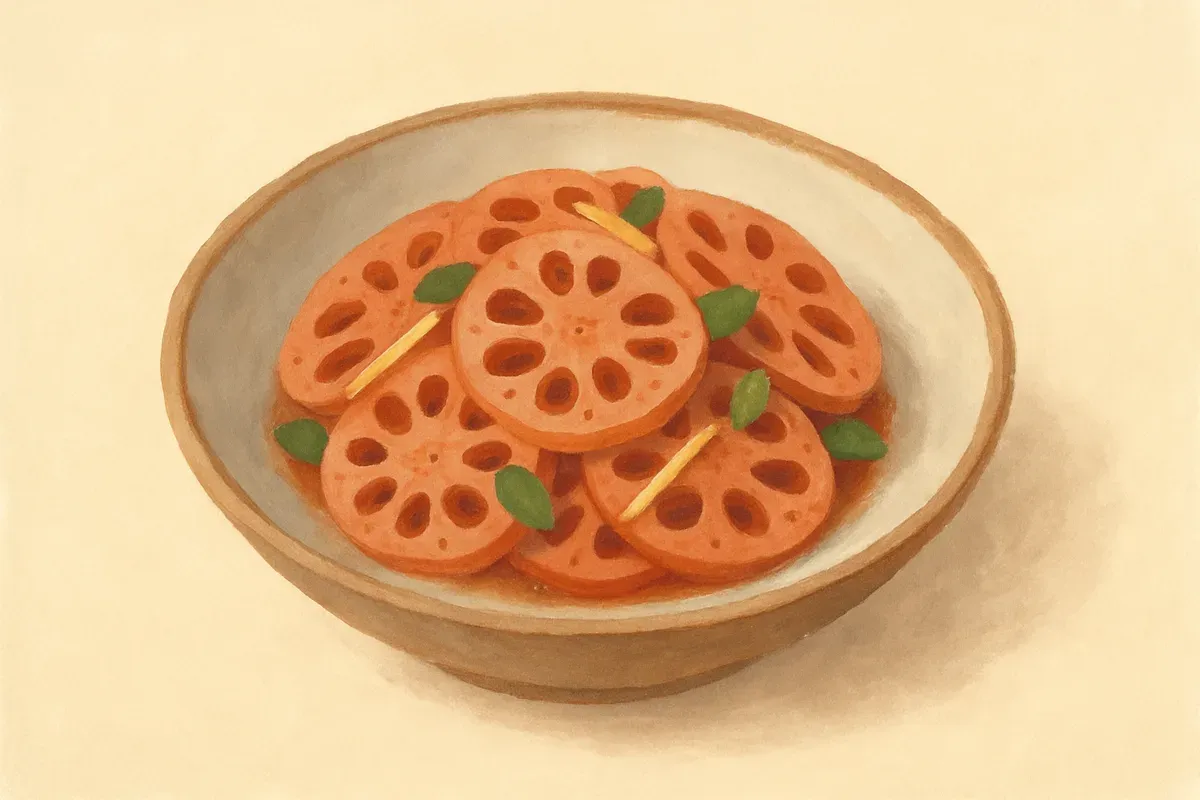
Crisp-tender lotus root stir-fried with ginger and a little sesame oil. A light, mineral-rich vegetable dish that balances the richer confinement table.
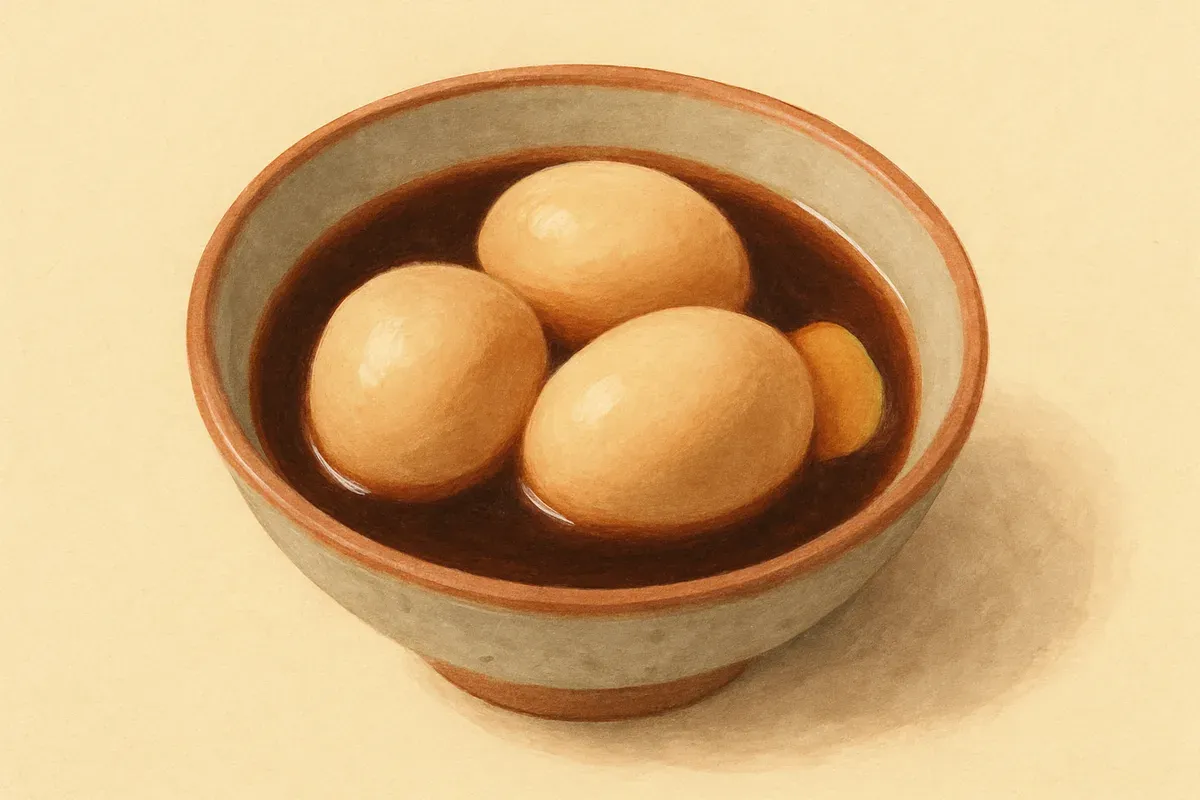
Eggs simmered in sweetened black vinegar with ginger, from the same tradition as the pig trotter vinegar. A warming, blood nourishing dish of the early weeks.
Sweetened black vinegar is the base of the famous pork trotter dish. What it is, why sweetened not plain, which brand to buy, and the pot it must not touch.
Ten things about the Chinese postpartum month that surprise most first time families, and the thinking behind each one.
A realistic breakdown of what a confinement month costs in Australia, from a do-it-yourself budget to full live-in care, so you can plan what fits.
A week by week account of postpartum recovery: lochia, the uterus, milk, hormones and healing, and the warning signs worth knowing at each stage.
Yue zi bing is the lasting illness a poorly kept confinement month is said to cause. What it describes, why it drives the rules, and how to think about it.
Gentle movement starts in the first days; real exercise waits. How to rebuild after the confinement month, and the signs that say slow down.
Confinement limits visitors for a reason. Who tradition lets in, what modern guidance says about newborn infection, and words you can actually use.
A traditional rule discourages crying during the confinement month. What it is protecting, why tears are normal after birth, and when low mood needs real help.
Zuo yue zi, the Chinese confinement month, in depth: the 30 day structure, the TCM reasoning, foods week by week, and what the evidence supports.
Free · takes two minutes
A few quick questions, and you'll walk away with a plan made for your birth, your home and your family.
No account needed.