
An introduction to Chinese confinement (zuo yue zi)
Zuo yue zi, the Chinese confinement month, in depth: the 30 day structure, the TCM reasoning, foods week by week, and what the evidence supports.
A calm, carefully researched look at the postpartum confinement month, zuo yue zi (坐月子). We explain the tradition with respect, weigh it against current health evidence, and help you plan a recovery that works for your family.
Confinement, or zuo yue zi (坐月子), is a period of roughly 30 days of rest and structured care after birth. It is practised across Chinese communities and, in related forms, across much of East and Southeast Asia. The idea is simple: a new mother is given time, warmth and nourishing food so her body can recover.
Some of its customs are matters of traditional belief and some line up with modern advice on postpartum recovery. We keep those two things clearly apart, so you can decide what fits your own family.
What confinement is, its history and how practice varies across regions.
Zuo yue zi, the Chinese confinement month, in depth: the 30 day structure, the TCM reasoning, foods week by week, and what the evidence supports.
The traditional lactation foods of the confinement month, from green papaya and fish soup to pork trotters, and what actually drives milk supply.
What to eat across the confinement month, stage by stage: gentle food for the first ten days, rebuilding dishes next, the richest tonics at the end.
The month structure, rest, warmth, bathing, hair washing and visitors.
Rice wine runs through the confinement kitchen, and it is alcohol. What the Australian guidance says, how long it takes to clear, and how to keep the dishes.
The confinement avoid-list explained: cold and raw food, cooling fruits, caffeine and alcohol, and which cautions are tradition and which are health advice.
Some households discourage brushing during the confinement month. Where the rule comes from, why dental care matters after birth, and the warm water compromise.
Confinement soups, herbs, lactation support and week by week eating.
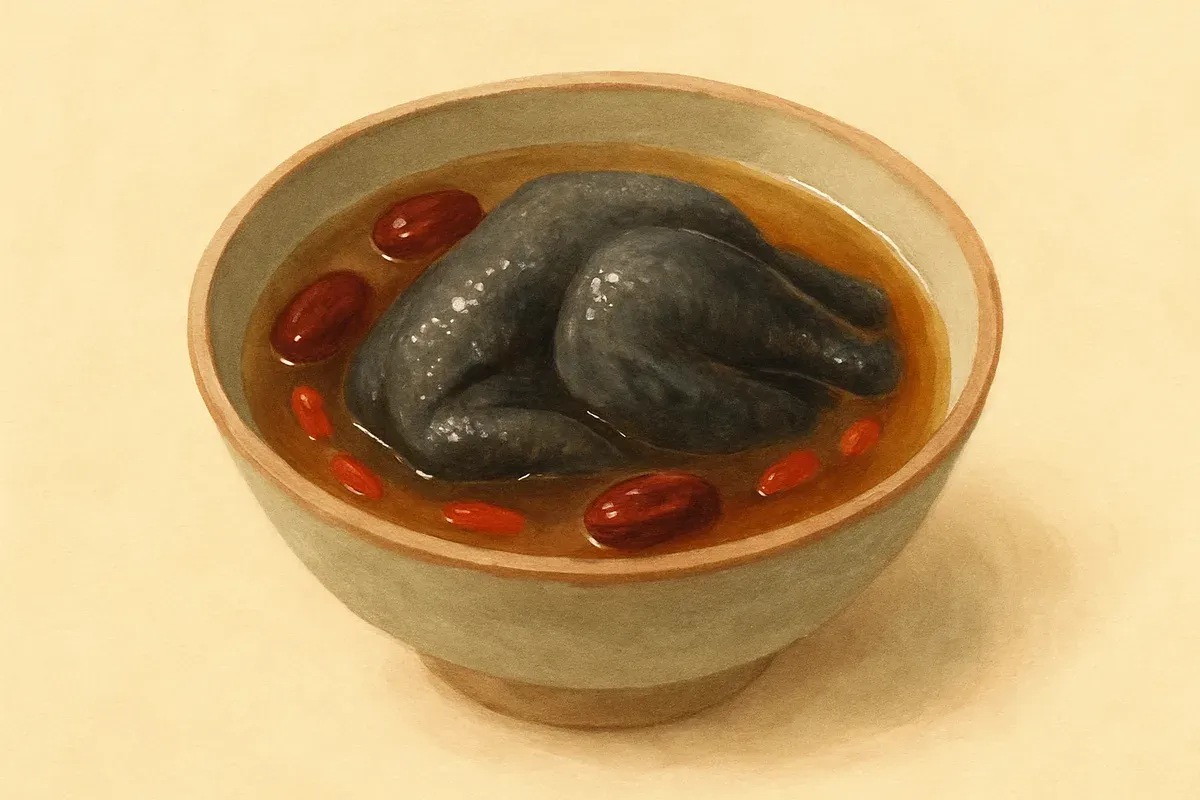
The tonic soup of the later confinement weeks: silkie chicken simmered slowly with dang gui, astragalus, red dates and goji into a deep, restorative broth.
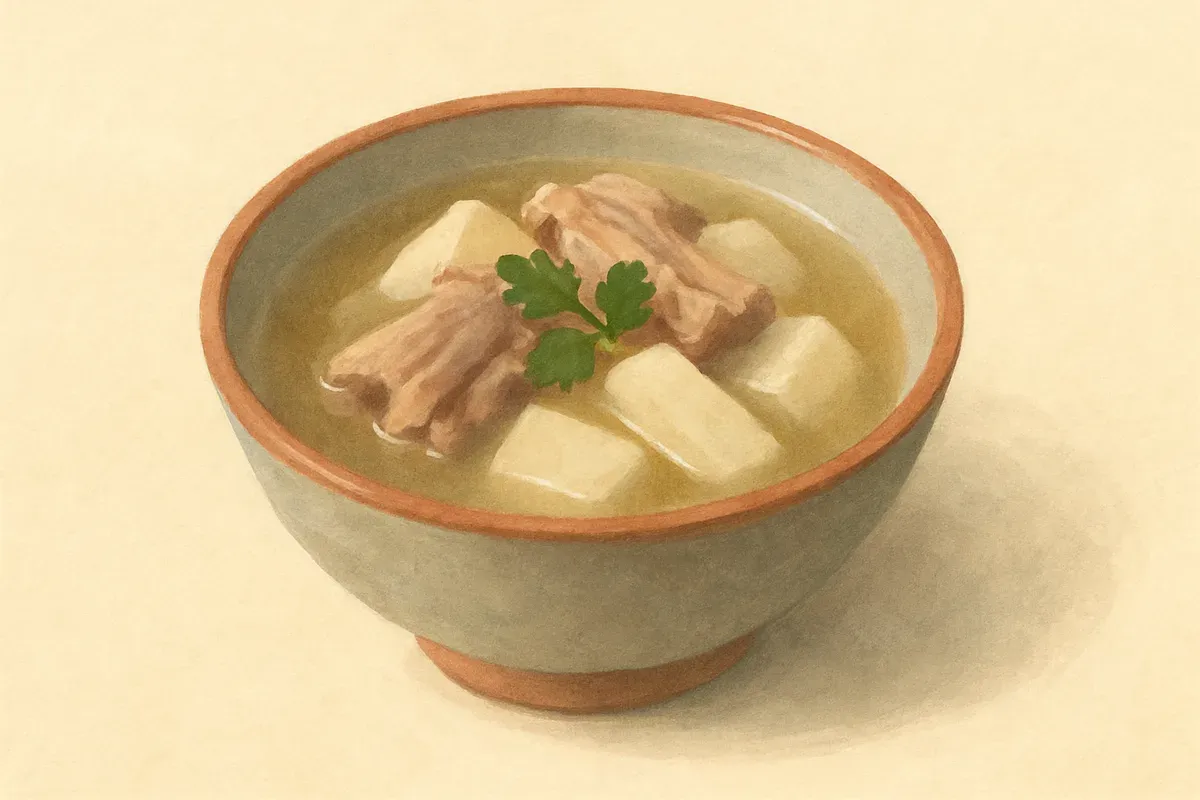
A gentle confinement soup: pork ribs simmered with Chinese yam, red dates and goji into a mild, strengthening broth, kind to digestion from the early weeks.
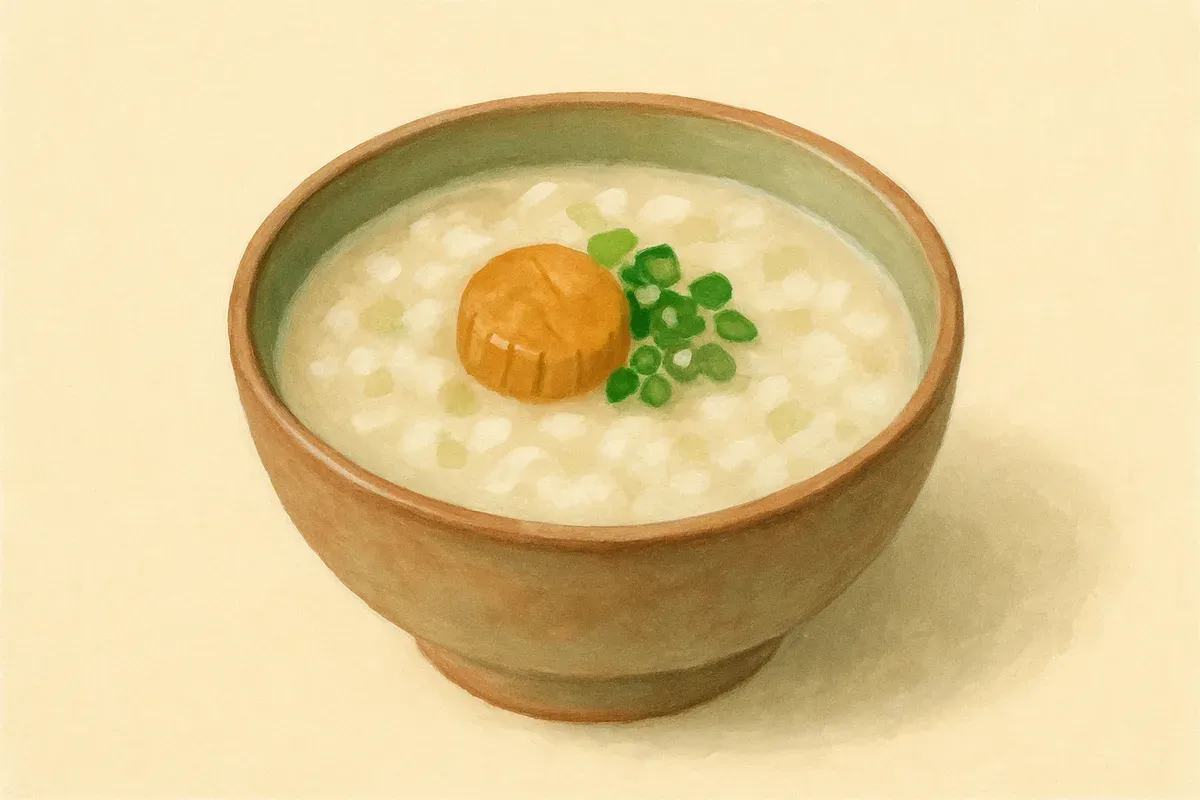
A savoury, nourishing confinement congee: soft rice simmered with dried scallops and ginger into a comforting bowl. Gentle enough for the earliest days.
Preparing before birth, shopping lists and caesarean recovery notes.
The biggest confinement decision is who does the work. An honest comparison of a live-in nanny, meal delivery, occasional help and a family-led month.
A trimester-by-trimester timeline for arranging confinement, from booking a nanny in the second trimester to the final fortnight of cooking and stocking.
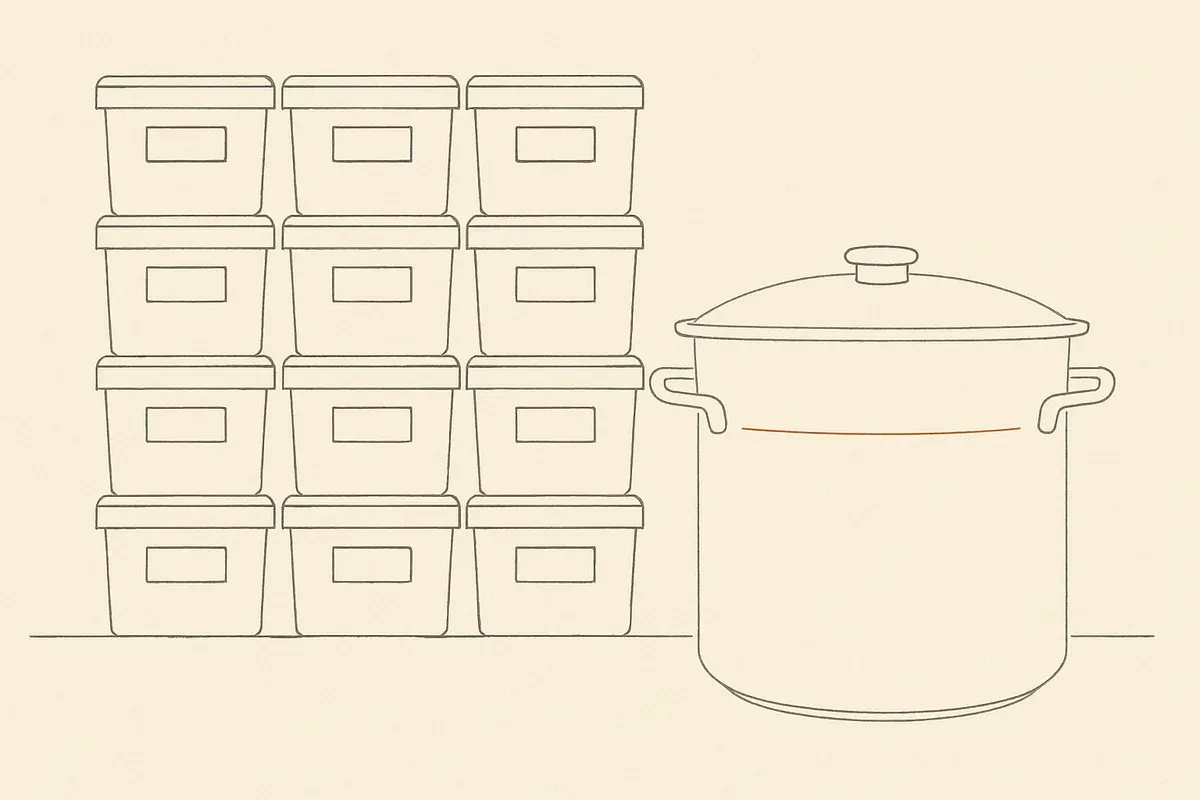
Cooking ahead is the single best way to protect the first week. What confinement food freezes well, how much to make, and how to reheat it warm.
The tradition is the same everywhere. What changes is the practical layer: the services you can book, what they cost, and how it all fits alongside local maternity care.
Why this exists
Good information about confinement is scattered, often in another language, and sometimes contradictory. Families are left piecing it together between generations, hospitals and the internet.
We are building a single, trustworthy guide. We treat the tradition with respect, we are honest about what the evidence does and does not support, and we write for the practical reality of recovering with a newborn far from where these customs began. It is education, not medical advice, and we say so plainly.
New guides on rest, food and recovery, and the confinement kitchen. A few thoughtful emails, no spam, unsubscribe any time.
Free · takes two minutes
A few quick questions, and you'll walk away with a plan made for your birth, your home and your family.
No account needed.