Nanny, meal delivery or DIY: choosing your confinement support
The biggest confinement decision is who does the work. An honest comparison of a live-in nanny, meal delivery, occasional help and a family-led month.
Of all the decisions in a confinement plan, one determines whether the month actually works: who does the work. Everything else, the recipes, the customs, the shopping list, rests on somebody other than the new mother running the household for thirty days.
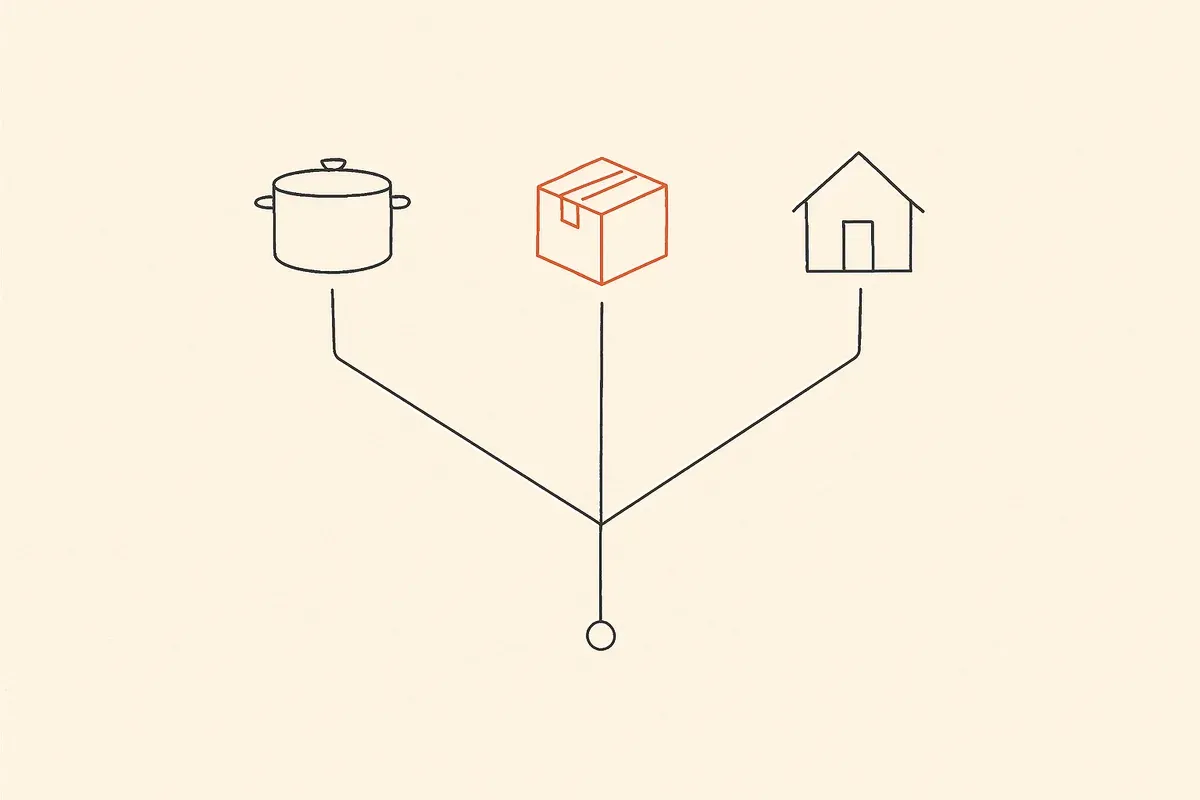
There are four common ways to arrange that, and they are not really competing. Most families combine them.
What the month actually demands
Before comparing options, it helps to name the jobs, because a support model is only good if it covers them.
- The daily cooking. Three to five warm meals a day, every day, for a month. This is the biggest, most relentless task by far.
- The nights. Settling and non-feeding wakings, so the mother gets unbroken sleep.
- The household. Laundry, dishes, tidying, groceries.
- Newborn care. Bathing, changing, settling during the day.
- The gatekeeping. Managing visitors and messages.
Score any option against those five and the choice usually becomes obvious.
The four options, compared
| Nanny | Meal delivery | Occasional help | Family-led | |
|---|---|---|---|---|
| Daily cooking | Yes | Yes | Partly | You, in advance |
| Nights | Yes | No | Some | Partner or family |
| Household | Light | No | Some | Family |
| Newborn care | Yes | No | Some | Family |
| Rough cost | $260 to $320 a day | Varies by service | Varies | Ingredients only |
| Book by | Second trimester | Weeks 28 to 34 | Second trimester | Cook by week 36 |
| Best when | You want the fullest support | Someone else can do nights | Budget is real but limited | Willing people nearby |
Costs move, and meal services price very differently depending on whether you want fresh meals or dry soup packages, so treat these as orders of magnitude and check current rates. Our guide to what confinement costs in Australia goes into the numbers.
Option 1: a live-in confinement nanny
Covers: almost everything. The cooking, newborn care, nights, light household work.
The pui yuet is the traditional answer, and it remains the most complete one. She brings the specialist knowledge of the stage-based cooking, so nobody in the house has to learn it. Our explainer on what a confinement nanny is covers the role, and the Australian guide covers the local market.
The trade-offs: cost, commonly 260 to 320 dollars a day; a stranger living in your home during intense weeks; and availability, since good nannies book out months in advance. Personality fit matters as much as skill.
Best when: you want the fullest support, have the budget, and can book early.
Option 2: meal or soup delivery
Covers: the single hardest job, the daily cooking.
This is the highest-leverage option per dollar, because it removes the task that recurs three times a day for thirty days without requiring anyone to live with you. Fresh meal delivery, or pre-measured soup and tea packages you simmer at home, both exist in Australia; our guide to meal delivery and soup packages covers what is available and what it costs.
The trade-offs: it does not touch the nights or the newborn care, so you still need someone for those. Fresh-meal delivery is usually city-limited, while dry soup packages ship anywhere.
Best when: you have a partner or family member who can cover nights and household, and you want the food handled properly without full-time help.
Option 3: occasional paid help
Covers: whatever you point it at, usually cooking help and a few nights.
A middle path: a cleaner weekly, a night doula for a couple of nights a week, or a nanny for part of the month rather than all of it. Many families hire a pui yuet for the first two weeks only, which is when the need is sharpest.
The trade-offs: it needs coordinating, and part-time help only protects rest if you spend it on the jobs that matter most, which is nearly always cooking and nights.
Best when: the budget is real but limited, and you would rather concentrate it on the hardest fortnight.
Option 4: a family-led month
Covers: everything, in principle, if the plan holds.
The traditional arrangement before any of this was for sale, and it works when two conditions are met. First, cook and freeze ahead: a dozen or so single portions made before the birth carries the first fortnight, and our guide to batch cooking has the method. Second, agree who does what in writing before the birth, because the failure mode is not lack of goodwill, it is everything quietly defaulting back to the new mother by day four. Our editorial on nine ways partners and family can help is worth reading together.
The trade-offs: it demands the most planning and the most honest conversations, especially about who cooks and who takes nights.
Best when: you have willing people nearby, or a partner taking real leave, and you plan properly in advance.
Mixing is the normal answer
Very few families pick one box. Common blends that work:
- Soup packages for the whole month, plus a partner on nights.
- A nanny for the first two weeks, then family and freezer for the rest.
- Meal delivery for weekdays, family cooking at weekends.
- Grandparents flying in, with delivered meals so nobody has to cook while jet-lagged. If that is your plan, our guide to bringing parents to Australia to help covers the visa side.
Questions to ask before you commit
Hiring a nanny
- What exactly is included: cooking, nights, newborn care, household?
- What are the hours, and what happens on days off?
- Can I speak to two families you have worked with recently?
- Do you have the right to work in Australia?
- What happens if I deliver early, late, or by caesarean?
- What is the deposit, and what is the cancellation policy?
- What food do you cook, and can you work with our dietary needs?
Booking meal or soup delivery
- Do you deliver to my suburb, and how often?
- Fresh meals or dry packages, and how much notice do you need?
- Can you start at short notice if the baby is early?
- Can you cater for allergies or a vegetarian month?
- Is it stage-based, and what does a typical day include?
Agreeing a family-led month
- Who cooks on which days, specifically?
- Who takes which nights?
- Who manages visitors and messages?
- What do we do if it is not working in week two?
Useful resources
On this site
- What a confinement nanny actually does
- Confinement nannies in Australia, cost and hiring
- Meal delivery and soup packages
- What confinement costs in Australia
- The services directory, filterable by city
- The planning timeline, so you book in time
- Your free confinement plan, which builds around the model you choose
Elsewhere
- Fair Work Ombudsman if you are employing someone in your home and want to understand your obligations
- Pregnancy, Birth and Baby on 1800 882 436, free maternal child health nurses
Deciding
Three questions settle it for most people.
Who is cooking on day three? If there is no confident answer, the food needs outsourcing, whether to a nanny, a delivery service or a freezer filled in advance.
Who is taking the nights? Sleep is what recovery runs on. If nobody can, paid night help buys more than anything else you could spend on.
What happens if the plan fails? Have a fallback: a service you could start mid-month, or a relative on standby.
Once you have answered those, the timing matters too, because the good options are booked out well in advance. Our confinement planning timeline sets out what to arrange and when. And if you would like this worked through against your own answers, the free confinement plan quiz builds a plan around your support model, birth type and state.
Sources
- The Zuo Yuezi Guide
- Postpartum 30: Thirty Days to a Nurtured Fourth Trimester (Kristal Lau, MBBS)
Common questions
What does a confinement nanny cost in Australia?
Commonly around 260 to 320 dollars a day, which works out at roughly 1,800 to 2,200 dollars a week, for live-in care covering cooking, newborn care and nights. Rates vary by city and experience, and good nannies book out months ahead of due dates.
Is meal delivery enough on its own?
For many families, yes. Cooking three tonic meals a day is the most demanding and most relentless part of the month, so removing it changes the whole picture. What delivery does not cover is the nights and the newborn care, so it works best where a partner or family member can take those.
Can we do confinement without paying for anything?
Yes, and plenty of families do. A family-led month depends on two things: cooking and freezing meals before the birth, and agreeing clearly who does what, so nothing quietly defaults back to the new mother. The risk is not cost, it is the plan dissolving in week one.