Does confinement work? What the research says
An honest look at what research says about zuo yue zi: where the evidence supports the tradition, where it is thin, and what seems to do the real work.
Sooner or later, someone asks the question directly: does any of this actually work? It deserves a straight answer rather than either a defence of everything or a dismissal of the whole thing. Here is what the research can and cannot tell us, and what it suggests is doing the real work.
The question is harder than it sounds
Confinement is not a pill. It is an entire month of arrangements: what a mother eats, how much she rests, who cooks, who visits, how warm the room is. That makes it very difficult to study, because you cannot isolate one variable while holding the rest steady, and you certainly cannot randomise families into doing or not doing their own cultural tradition.
So there is no single trial that settles it. What exists instead is research on narrower questions, mostly observational, plus a large body of evidence about what postpartum recovery generally needs. Both are useful, and neither delivers a verdict.
Where the evidence is genuinely mixed
The most studied question is whether confinement protects against postpartum depression. A 2023 systematic review in PLOS One gathered sixteen studies in Chinese populations and found the results pulling in different directions: four suggested doing the month reduced the risk, two suggested it raised it, and ten found no significant association either way.
That is not a resounding answer in either direction, and pretending otherwise would be dishonest. The reviewers concluded the available evidence was not sufficient to confirm a protective effect.
The finding that matters most
The interesting part is not the headline, it is the explanation the researchers offered. Where a benefit did show up, they judged it more likely to come from the practical and emotional support a mother received during the month than from the restrictions she observed.
Read that carefully, because it is the most useful sentence in the whole literature. It suggests the active ingredient of confinement is not the rule about hair washing. It is the fact that for thirty days, somebody else cooks, somebody else cleans, and a new mother is allowed to do nothing but recover. That is precisely what our guide to how much rest is expected describes, and it is the part modern postpartum life most often lacks.
Where tradition and evidence agree
Strip confinement back to its foundations and the alignment is strong.
Rest. Postnatal guidance from bodies such as the WHO and NICE treats the weeks after birth as a genuine recovery period needing support, not a return to normal duties. The month institutionalises that.
Nourishment. Steady, warm, protein and iron rich food suits a body that has just lost blood and, often, is producing milk. The confinement kitchen delivers this by design, as our food guides set out.
Support and boundaries. Limiting visitors, sharing night feeds and having meals appear without asking are all things postnatal advice actively encourages.
Warmth and comfort. Keeping warm and comfortable is uncontroversial, whatever framework you explain it through.
Where it deserves scrutiny
Honesty runs both ways, and a few customs are worth weighing rather than following automatically.
The strictest hygiene rules made sense in cold houses without reliable hot water, and much less sense now, which is why our guides on showering and washing your hair keep the intent and drop the letter. Total immobility runs against current advice, because gentle early movement lowers the risk of blood clots. And a month spent isolated rather than supported can weigh heavily, which the qualitative research on women’s own experiences reflects.
The most important caution is simple: no tradition should delay medical care. Fever, heavy bleeding, a painful wound or a mood that keeps sinking are reasons to contact a health professional, whatever week of the month it is.
The honest conclusion
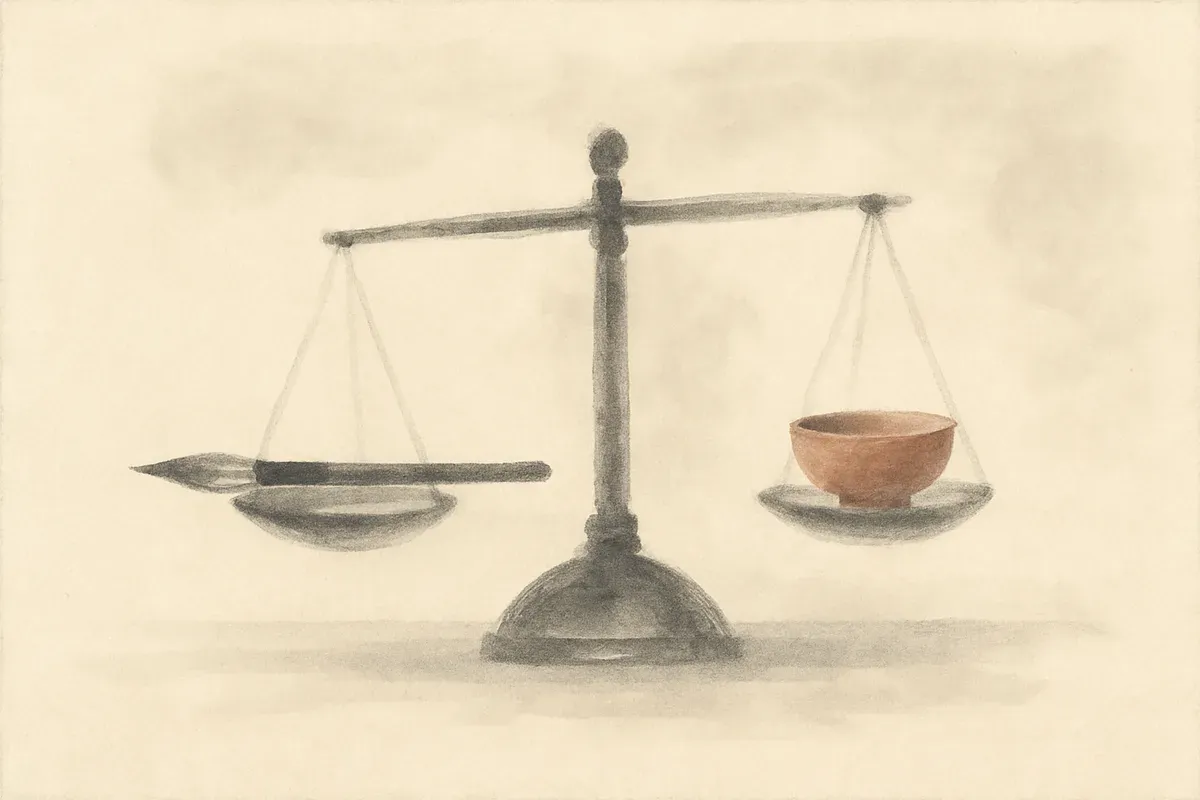
Confinement is neither proven nor debunked. It is a centuries-old framework whose core, protected rest and being properly fed and cared for, matches what recovery needs, and whose peripheral rules vary in how well they have aged.
That points to a practical way through, and it happens to be the one most families already reach: keep the structure that delivers care, adapt the customs that no longer fit your circumstances, and treat the month as recovery time you are entitled to rather than a test to pass. Our guide to the rules and the reasoning behind each is the place to start deciding which is which.
Sources
- Maternal postnatal confinement practices and postpartum depression in Chinese populations: a systematic review , PLOS One
- Experiences of postpartum Chinese women undergoing confinement practices: a qualitative meta-synthesis , Journal of Clinical Nursing
- WHO recommendations on maternal and newborn care for a positive postnatal experience , World Health Organization
- Postnatal care up to 8 weeks after birth (NG194) , National Institute for Health and Care Excellence
Common questions
Is confinement scientifically proven?
No, and it is worth being precise about why. Confinement is a whole way of organising a month, not a single intervention, so it has never been tested the way a medicine is. What has been studied is narrower questions, such as whether following confinement practices changes the risk of postpartum depression, and those results are mixed. Its foundations of rest, warmth, nourishment and support are well aligned with recognised postpartum needs.
Does confinement prevent postpartum depression?
The evidence does not support a clear protective effect. A 2023 systematic review of sixteen studies in Chinese populations found four suggesting a reduced risk, two suggesting the opposite, and ten finding no significant association. Notably, where a benefit did appear, researchers attributed it more to the practical and emotional support a mother received than to the restrictions themselves.
So is it worth doing?
For most families, yes, with judgement. The core of the month, protected rest, warm nourishing food and someone else running the household, is exactly what recovery benefits from and what modern life tends not to provide. The parts worth questioning are the ones that isolate a mother, prevent hygiene or stop her seeking care.