Rice wine (米酒): the warming spirit of the month
mi jiu (米酒)
Glutinous rice wine is the backbone of the richest confinement dishes. What it is, why the tradition prizes it, which bottle to buy, and the alcohol question.
If old ginger and black sesame oil are the base of the confinement kitchen, rice wine is what turns that base into its grandest dishes. It gives chicken in rice wine its name, carries sesame oil chicken, and appears as a splash in braises throughout the month. It is also the one ingredient that comes with a real question attached.
Why the tradition reaches for it
In TCM, rice wine is classed as warm and pungent, and is held to invigorate the blood and move qi, dispersing cold and helping circulation. Set against the month’s central concern with warmth and with rebuilding what birth has spent, that places it near the top of the tonic list.
It also does something practical: alcohol carries flavour compounds that water does not, so a splash of wine draws more out of the ginger, sesame oil and herbs it is cooked with. The tradition and the cook agree on this one.
Because it is so strongly warming, the wine dishes are held back for the later weeks rather than served in the delicate first days, as how the 30 days are structured explains.
Which bottle
Rice wine is not one thing, and the label matters.
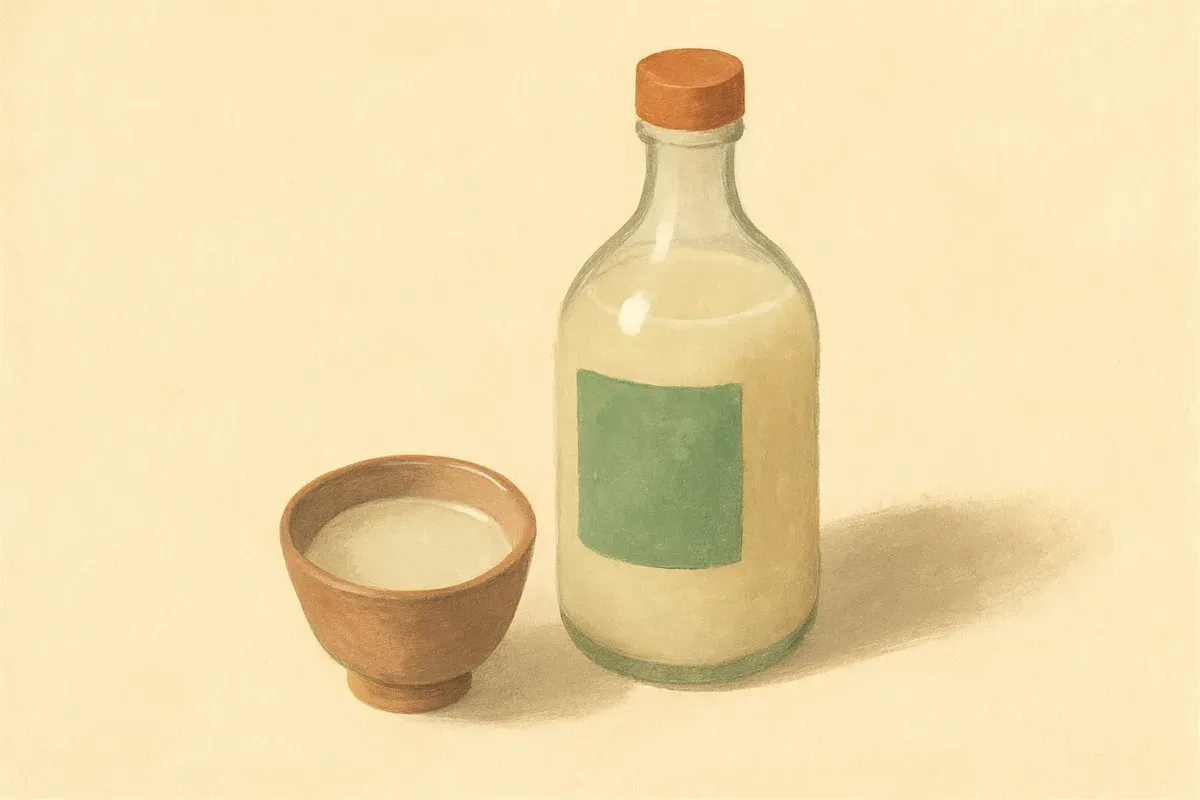
Sweet glutinous rice wine is the confinement style: cloudy, pale, mildly sweet, sometimes sold with the fermented lees still suspended in it or as jiu niang. This is what the Cantonese and Hakka wine dishes want.
Mi jiu, a clear Taiwanese cooking rice wine, is the standard bottle for Taiwanese sesame oil dishes, and is the version most often meant when a recipe simply says rice wine.
Shaoxing wine is a different animal: drier, darker, more savoury, and often sold salted. It is fine for a splash in a braise, but it will not give a wine dish the sweetness and body the tradition is after.
Red rice wine lees, hong zao, is a related but distinct ingredient, the red residue from brewing, and is the heart of hong zao chicken rather than a substitute for wine.
Look for it at a Chinese grocer, keep it capped in a cool dark place, and refrigerate it once opened.
The alcohol question, briefly
Rice wine is alcohol, and this is the one ingredient in the confinement kitchen where that deserves a clear-eyed decision rather than tradition alone.
Cooking reduces alcohol but does not reliably remove it, and confinement dishes are the hardest case because they often use a great deal of wine and sometimes finish with a fresh splash off the heat. Australian guidance is that not drinking is safest while breastfeeding, while also noting that an occasional small amount in milk is likely to be low risk.
The practical options most families use are to halve the wine with water, to leave it out and lean harder on ginger and sesame oil, or to time the wine dishes just after a feed. Our full guide, is rice wine safe while breastfeeding, covers the timings and the reasoning.
In the kitchen
A few things worth knowing when you cook with it.
Add it early and let it bubble if you want more of the alcohol to cook away; add it at the end and you keep more of both the aroma and the alcohol. Bring it to the boil for a couple of minutes before lowering to a simmer, which takes the raw edge off. And taste before you salt, because the sweet styles carry sugar that changes how a braise balances.
The dishes it defines sit in the third stage of the 30-day meal plan, which is where the tradition has always put them.
Sources
- The Zuo Yuezi Guide
- Zuo Yuezi: An American Mother's Guide to Chinese Postpartum Recovery (Guang Ming Whitley)
- Alcohol and breastfeeding , Australian Breastfeeding Association
Common questions
What kind of rice wine should I buy?
For confinement cooking you want sweet glutinous rice wine, sold cloudy and pale at Chinese grocers, sometimes as jiu niang or with the lees still in it. It is sweeter and gentler than Shaoxing cooking wine, which is drier, darker and usually salted. In Taiwanese practice a clear cooking rice wine, mi jiu, is the standard bottle.
Can I use Shaoxing wine instead?
For a splash in a braise, yes. For the dishes built entirely on wine, such as chicken in rice wine, it changes the character noticeably: Shaoxing is drier and more savoury where glutinous rice wine brings sweetness and body. If you can find the sweet cloudy kind, the wine dishes are worth making with it.
Does the alcohol cook off?
Not completely. Long simmering removes a good deal, but confinement dishes often use a lot of wine and some add a fresh splash at the end, which leaves considerably more. If you are breastfeeding it is worth reading our full guide on rice wine and breastfeeding before the wine dishes arrive in the third stage.