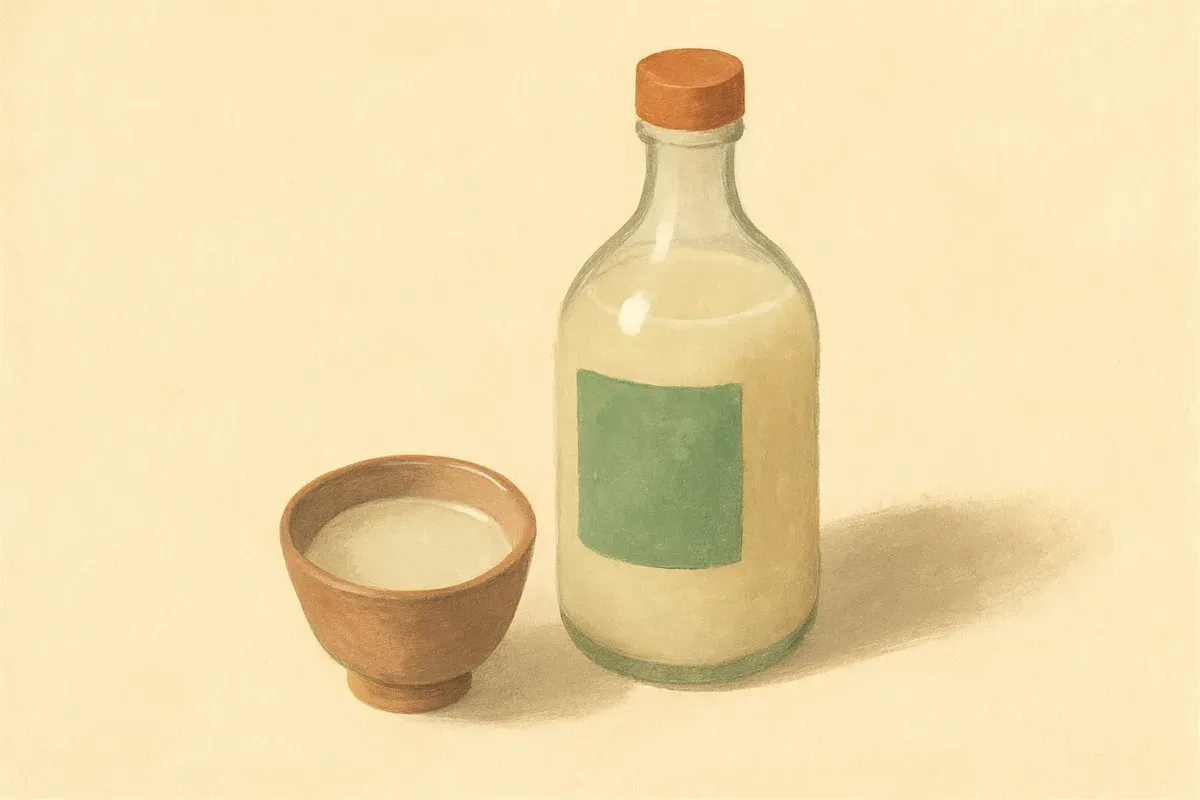
Rice wine (米酒): the warming spirit of the month
Glutinous rice wine is the backbone of the richest confinement dishes. What it is, why the tradition prizes it, which bottle to buy, and the alcohol question.
Guides
The key ingredients of the confinement kitchen, from old ginger and black sesame oil to red dates and dang gui, and what the tradition uses each one for.
Glutinous rice wine is the backbone of the richest confinement dishes. What it is, why the tradition prizes it, which bottle to buy, and the alcohol question.
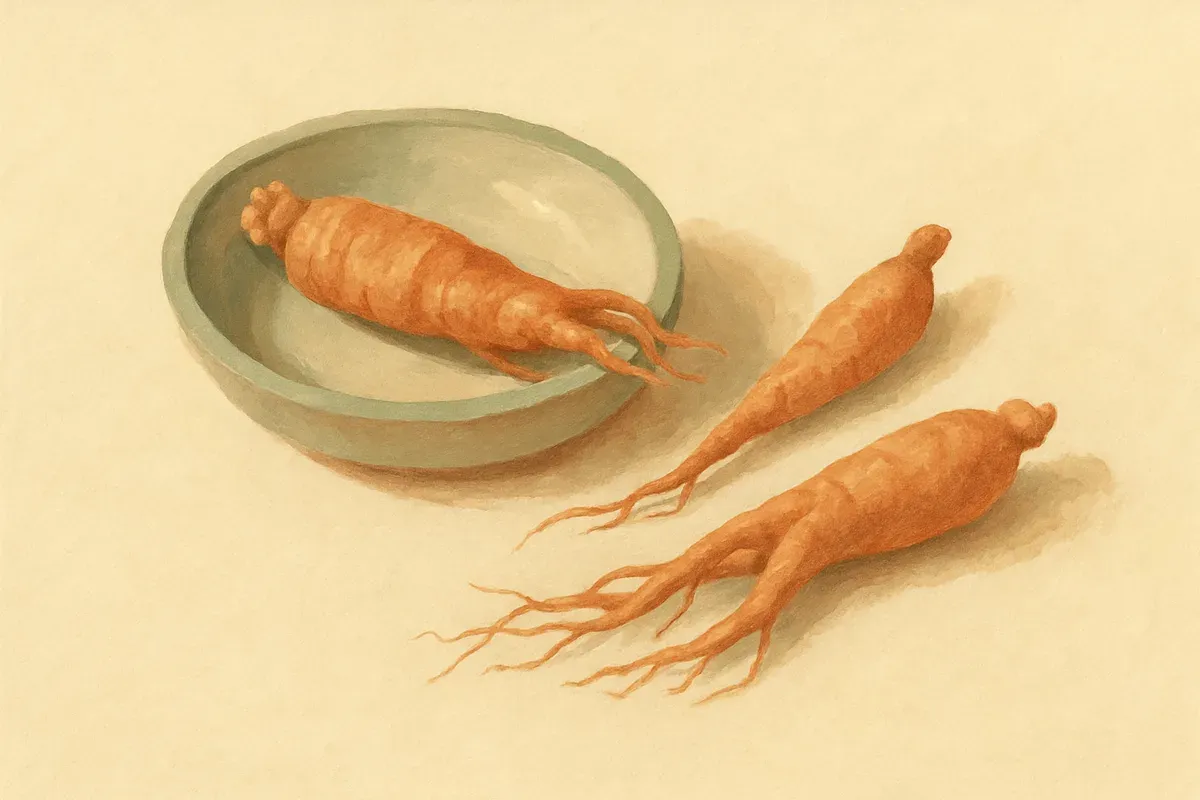
American ginseng, xi yang shen, is the cooling qi tonic, for the confinement mother who runs hot. How it differs from warming ginseng, and how to use it.
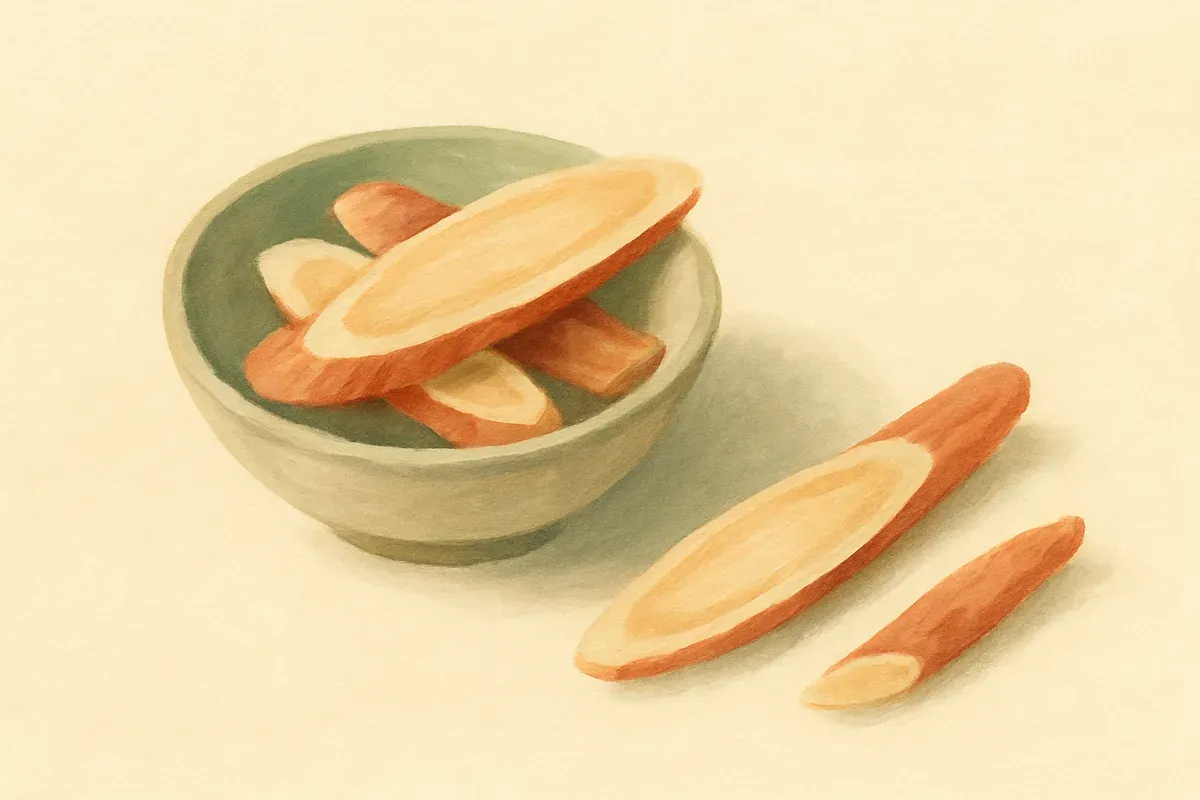
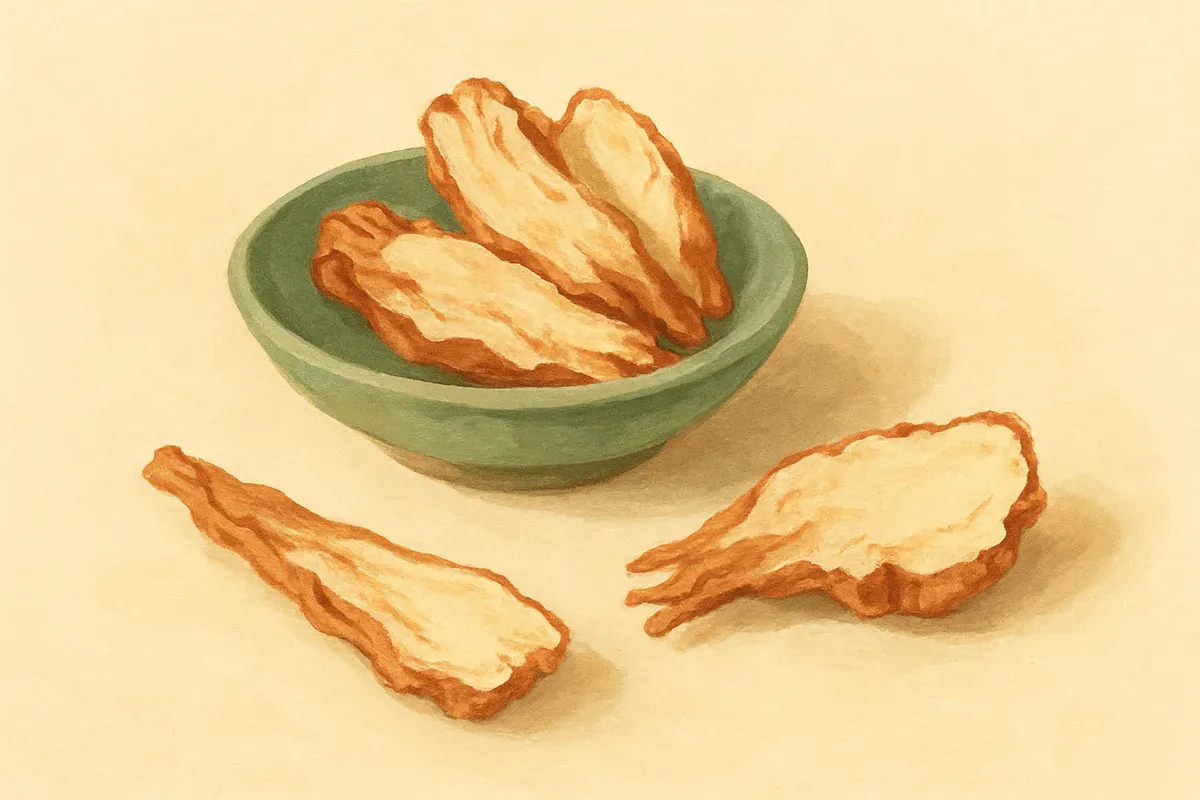
Astragalus, or huang qi, is the energy-building root at the heart of confinement tonic soups. What it does, how it pairs with dang gui, and when to use it.
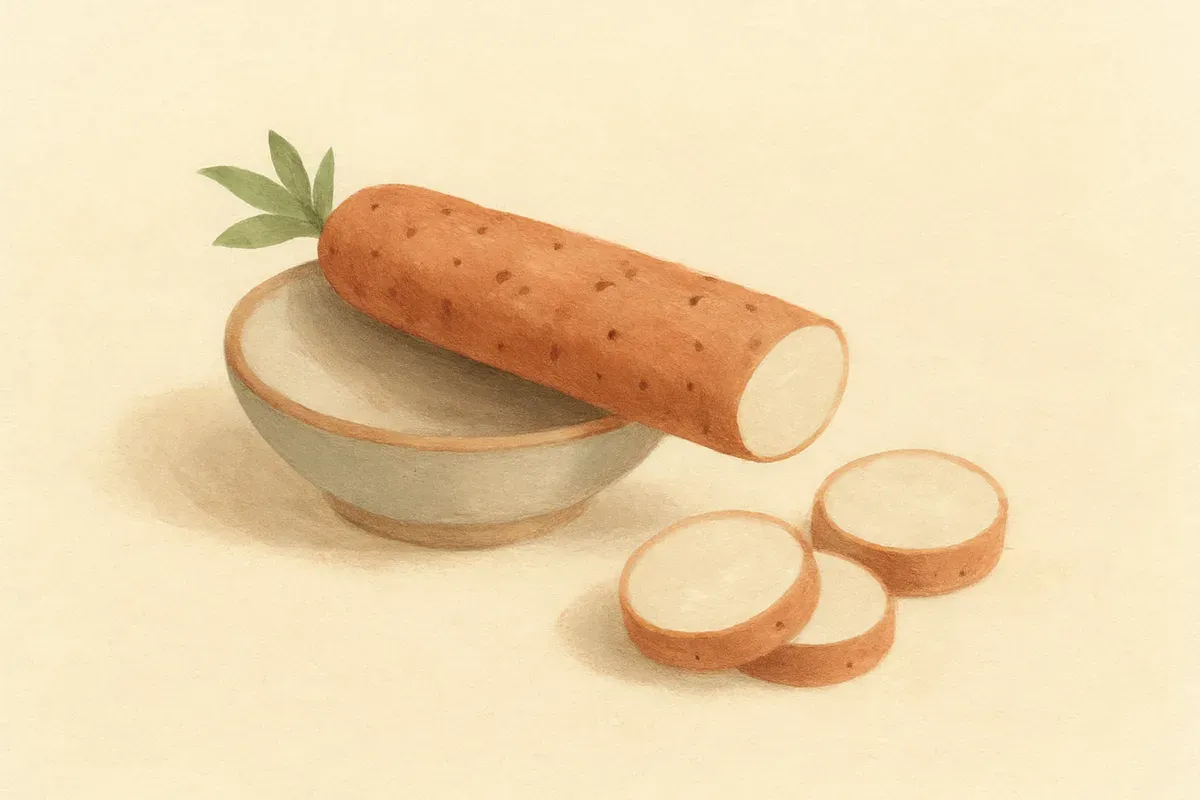
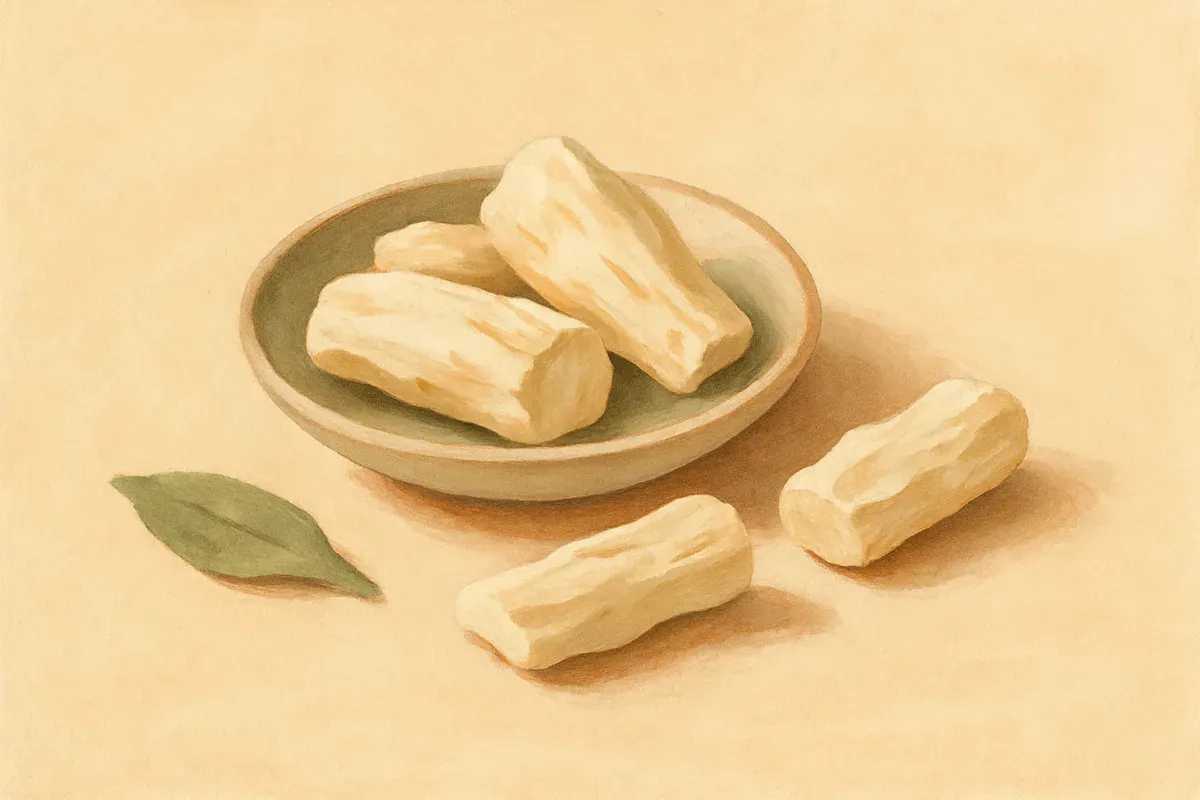
Chinese yam, huai shan, is the mild, food-like tonic in confinement soups from the first days. Why the tradition prizes it for digestion, and how to use it.
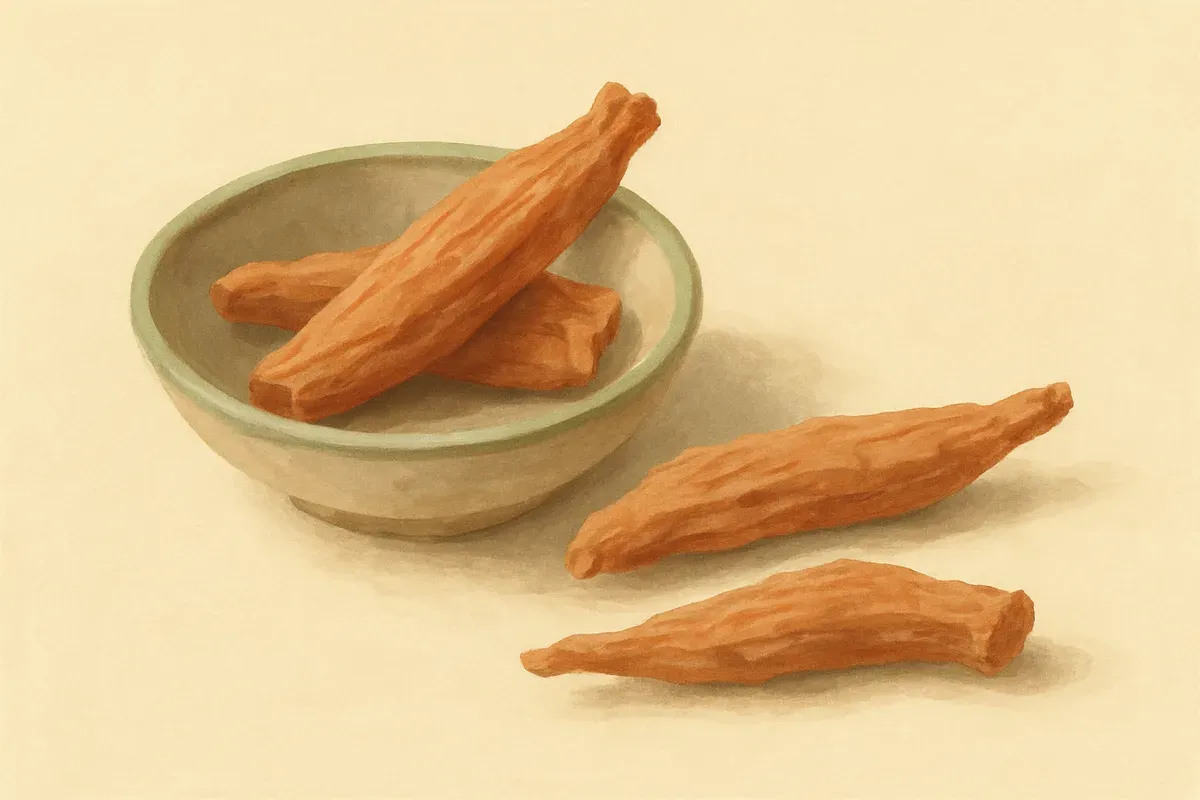
Dang shen, or codonopsis, is the mild, food-like qi tonic that flavours everyday confinement soups. A gentler stand-in for ginseng, and how to use it.
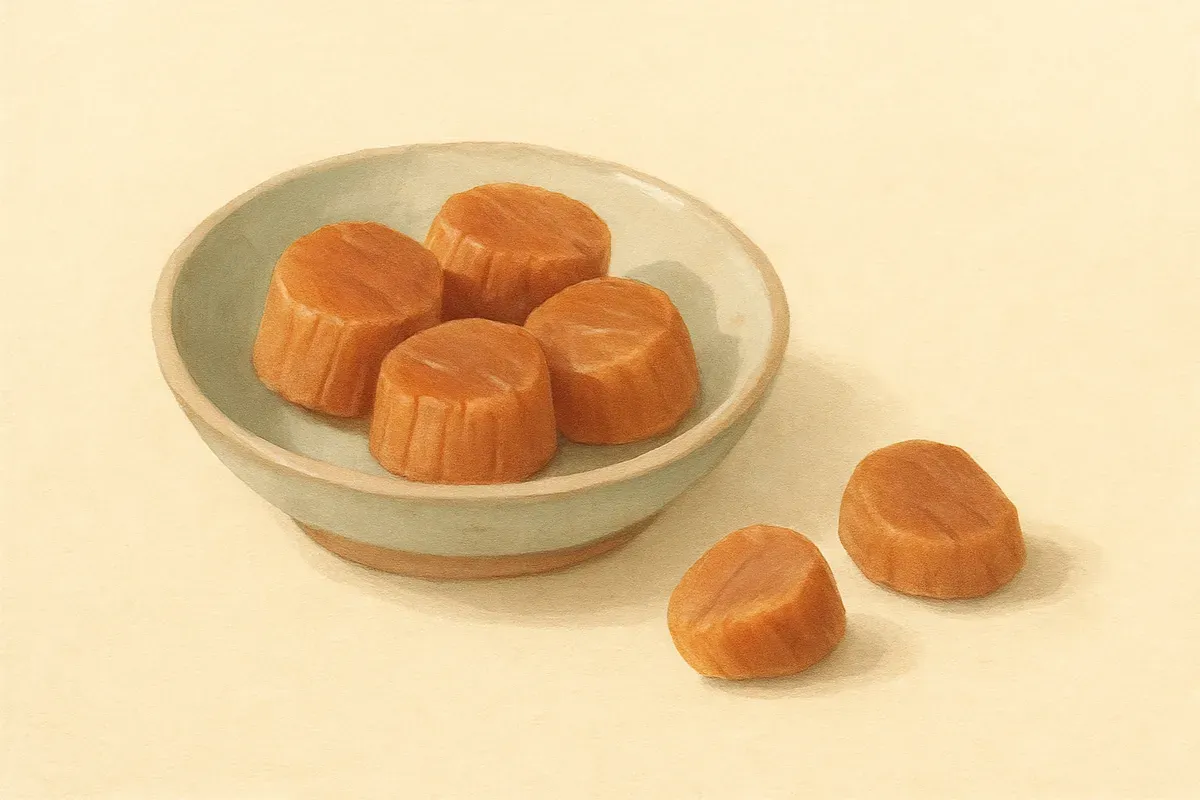
Dried scallops, yao zhu or conpoy, add deep savoury nourishment to confinement soups and congee. Why a few go so far, and how to soak and shred them.
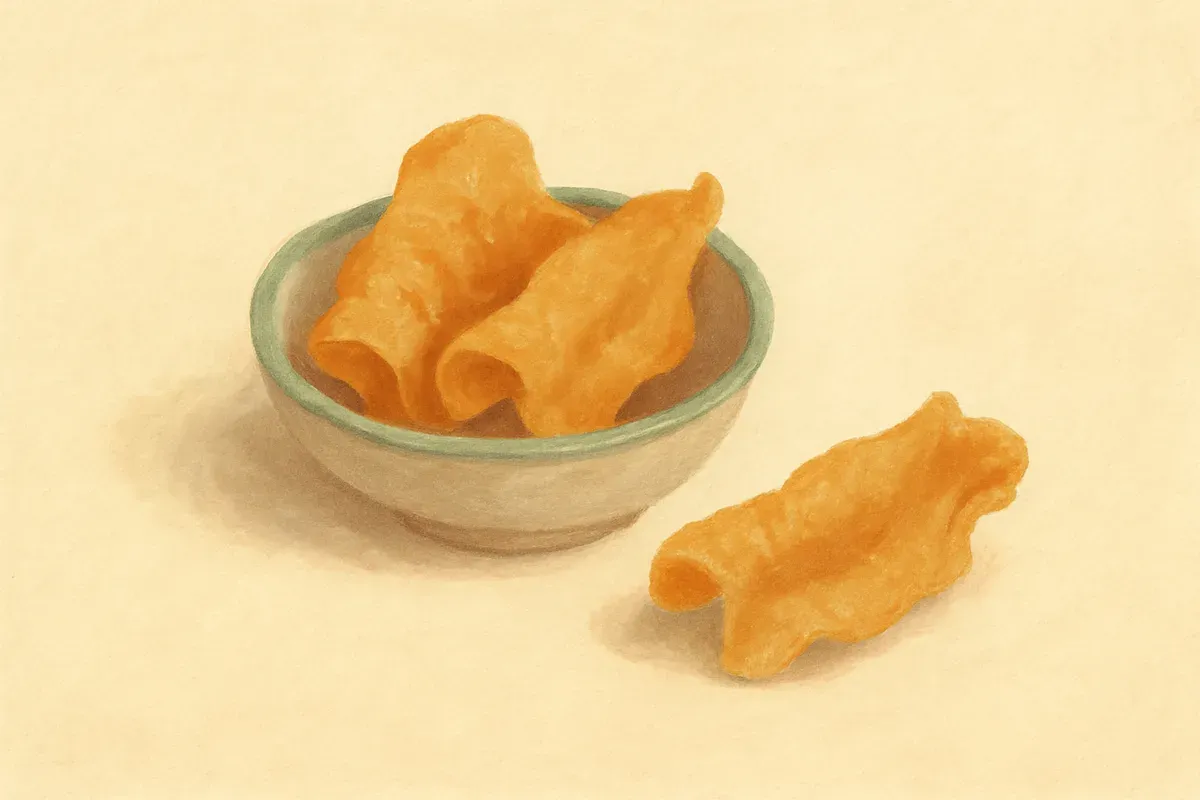
Fish maw, hua jiao, is the prized, collagen-rich delicacy of restorative postpartum soups. Why the tradition reaches for it after birth, and how to prepare it.
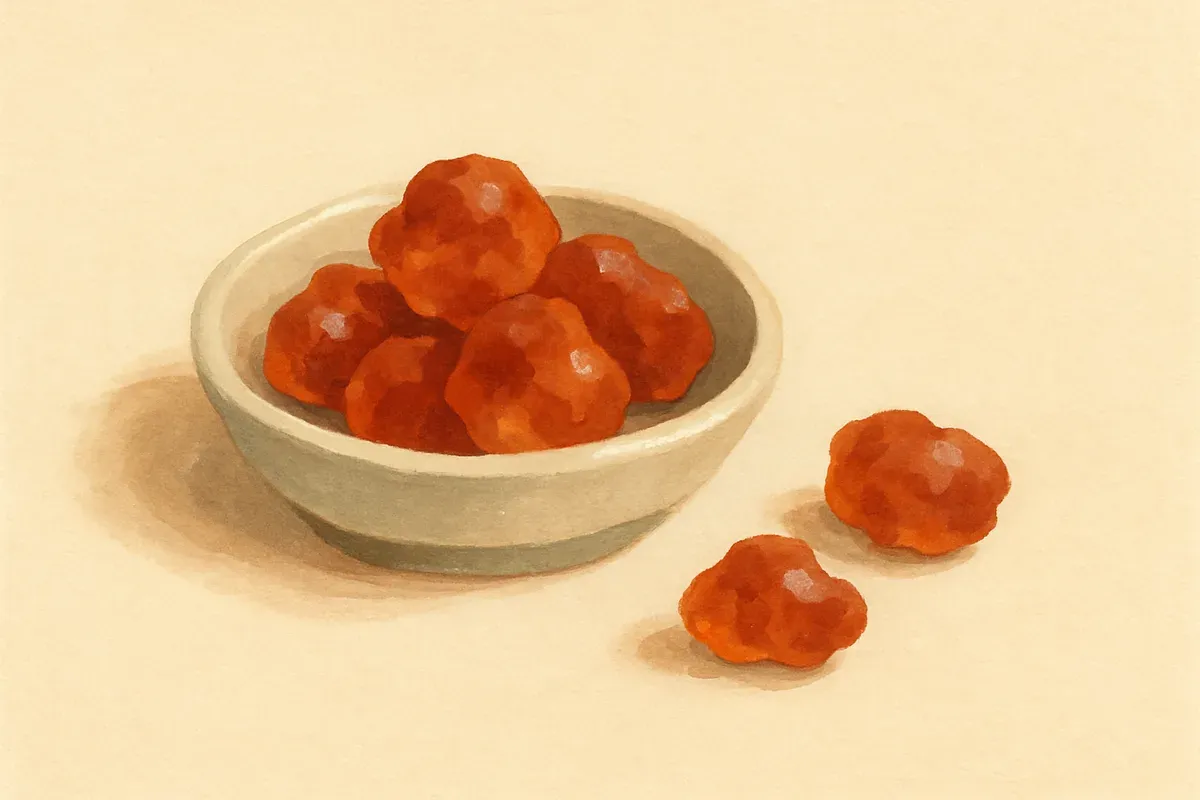
Peach gum, tao jiao, is the peach-tree resin that cooks into a collagen-like jelly. Why it is a prized nourishing dessert, and how to soak and cook it.
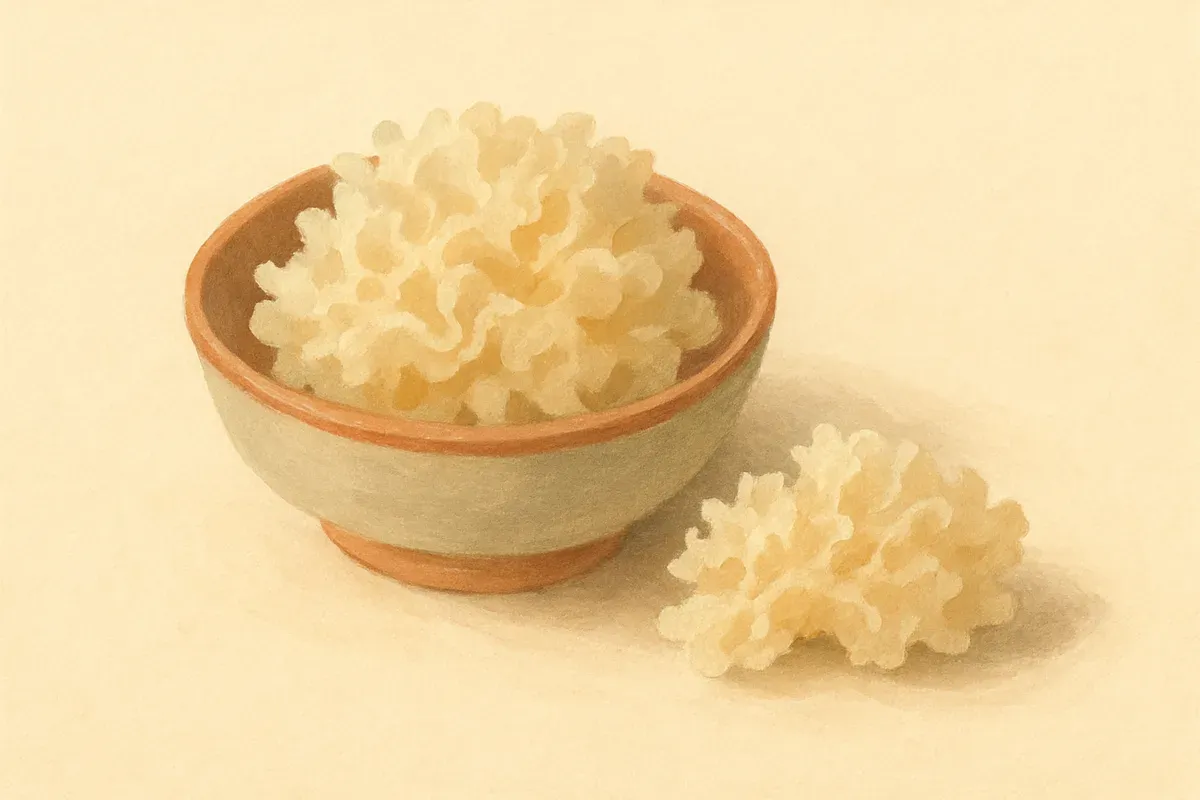
Snow fungus, yin er, is the ruffled white mushroom that cooks into a silky, collagen-like dessert. Why it is the poor man's bird's nest, and how to use it.
White peony root, bai shao, is the blood herb known as dang gui's partner in the classic postpartum formulas. What it does, and why it is used with care.
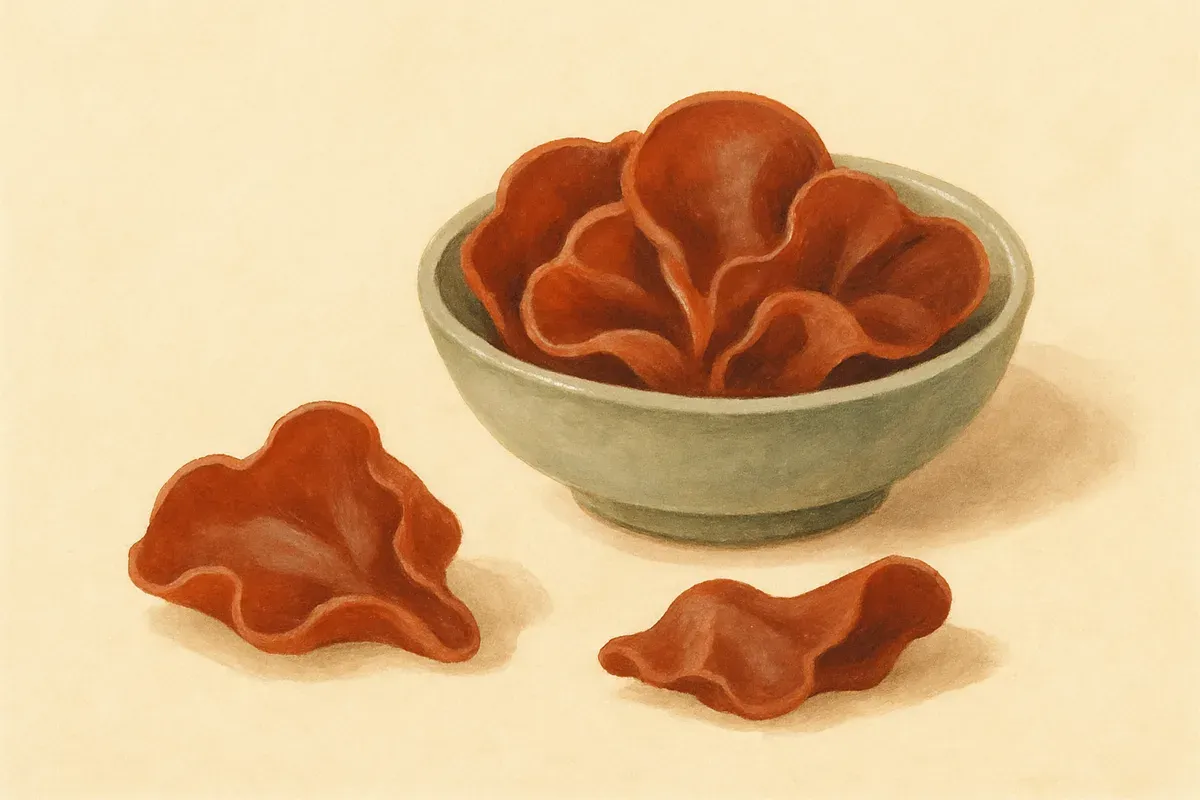
Wood ear, hei mu er, is the crunchy black fungus of confinement stir-fries and soups. Why the tradition ties it to blood, its iron, and how to soak and cook it.
Black sesame oil is what makes a dish read as confinement food. Why it is used, how it differs from pale sesame oil, and the low smoke point to respect.
Dang gui is the most used blood tonic in Chinese medicine. Its role in confinement, why it waits until bleeding settles, and why a little goes a long way.
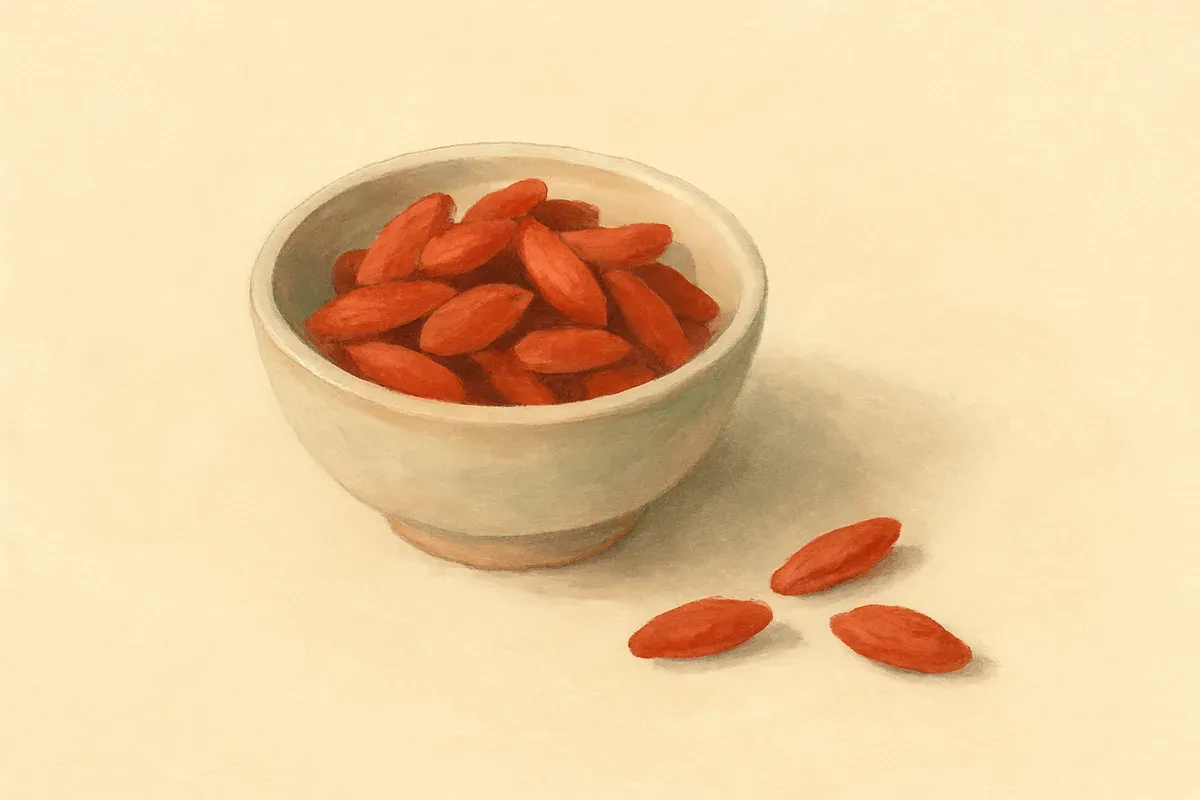
Goji berries appear throughout confinement cooking. Why the tradition links them to the liver, kidneys and eyesight, and how to add them without overcooking.
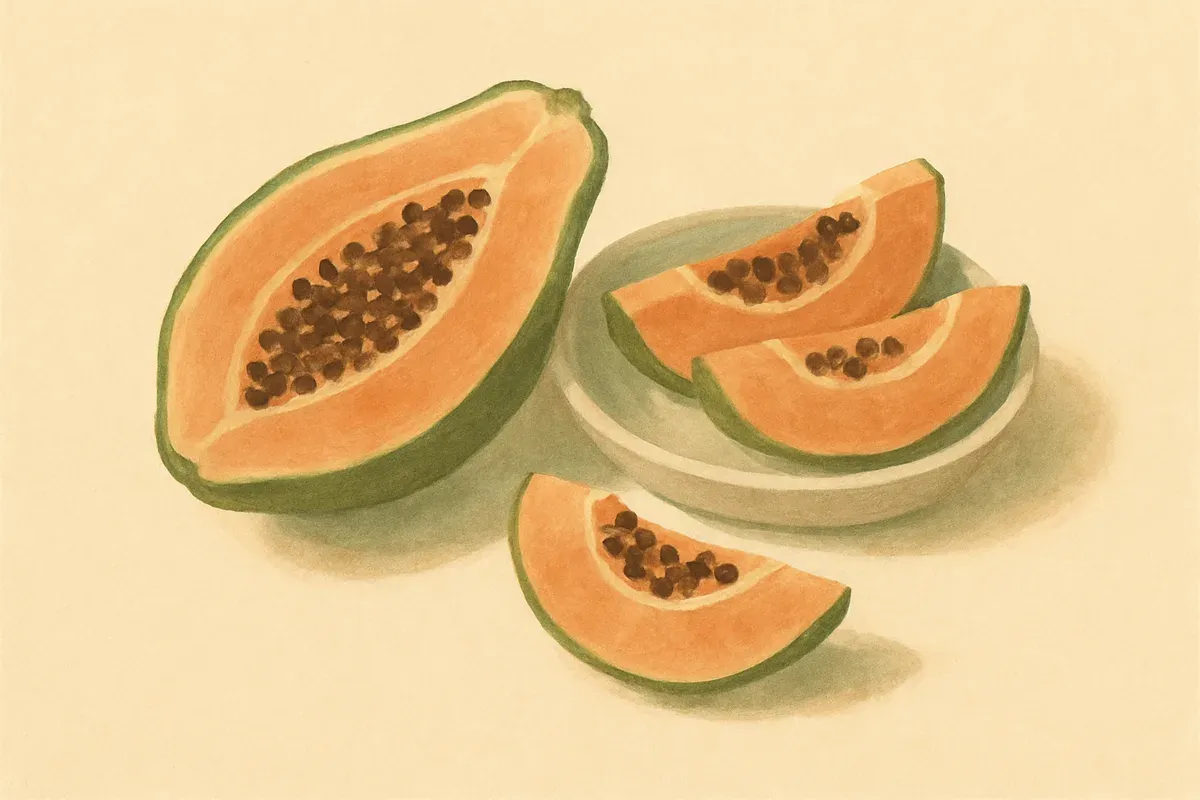
Green papaya soup is the classic confinement dish for milk supply. What green papaya is, the tradition behind it, what the evidence says, and how to use it.
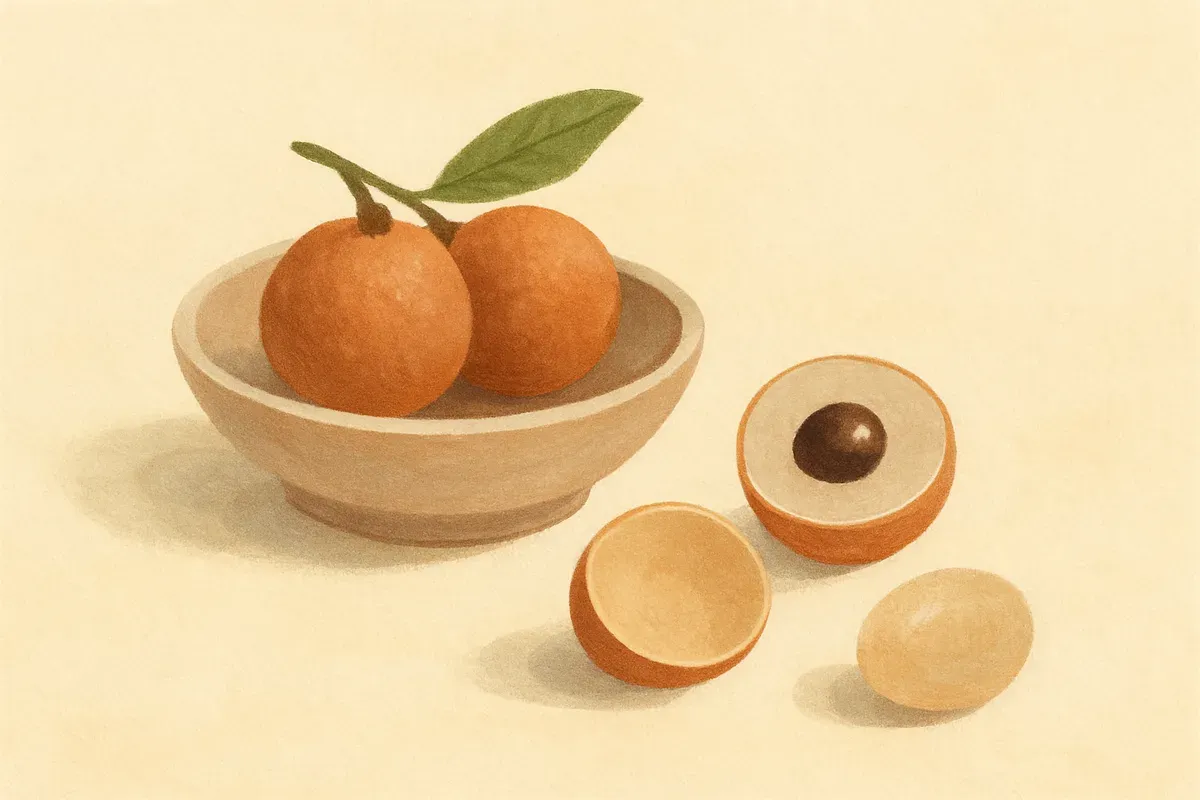
Dried longan sweetens confinement teas and soups and carries its own traditional role, nourishing blood and calming the spirit. How to use it and buy it.
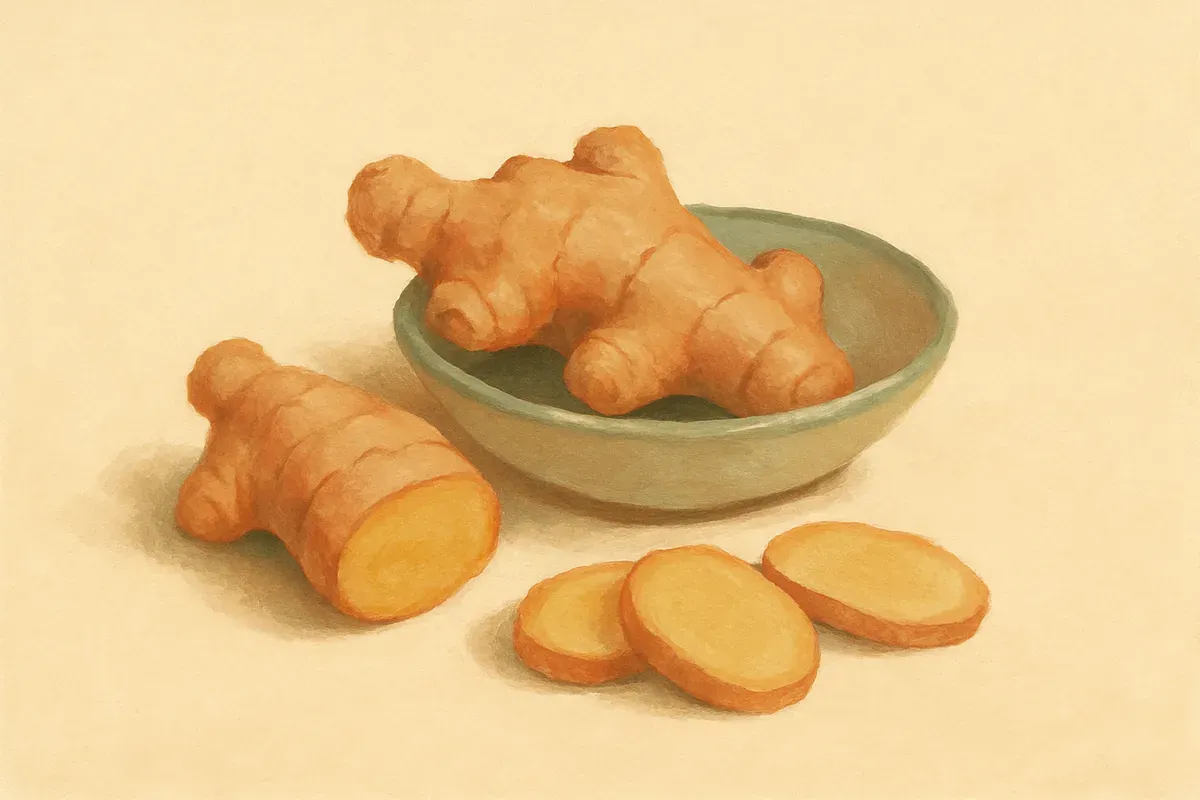
Old ginger is in almost every confinement dish for one reason: warmth. What makes it different from young ginger, its role in TCM, and how to buy and use it.
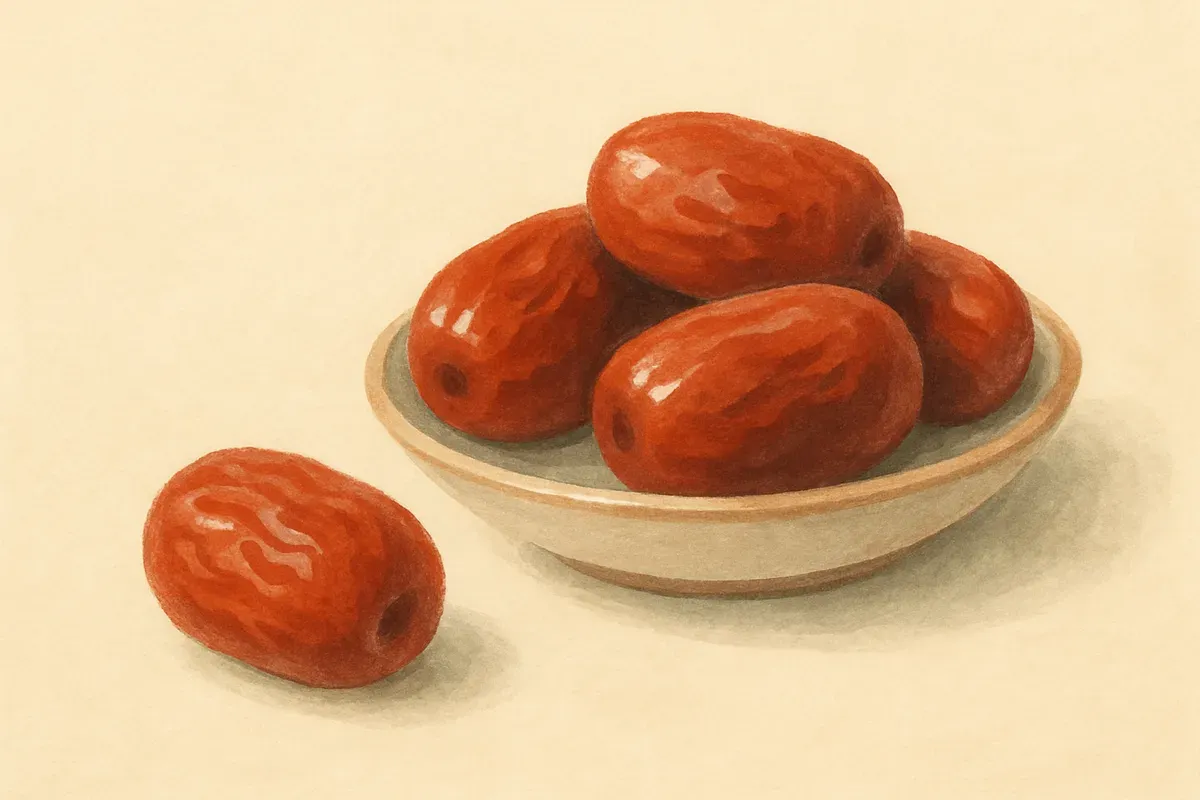
Red dates appear in almost every confinement soup and tea. Why the tradition treats them as a blood tonic, how they harmonise a dish, and how to prepare them.
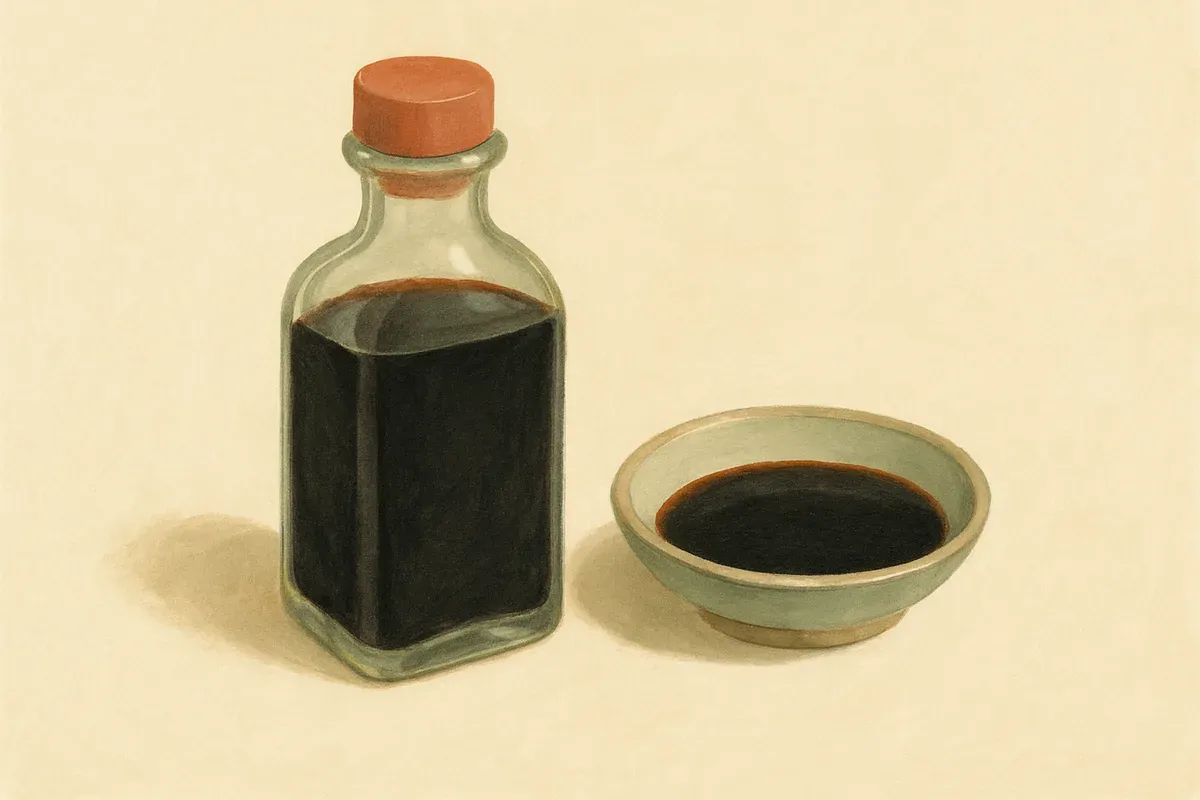
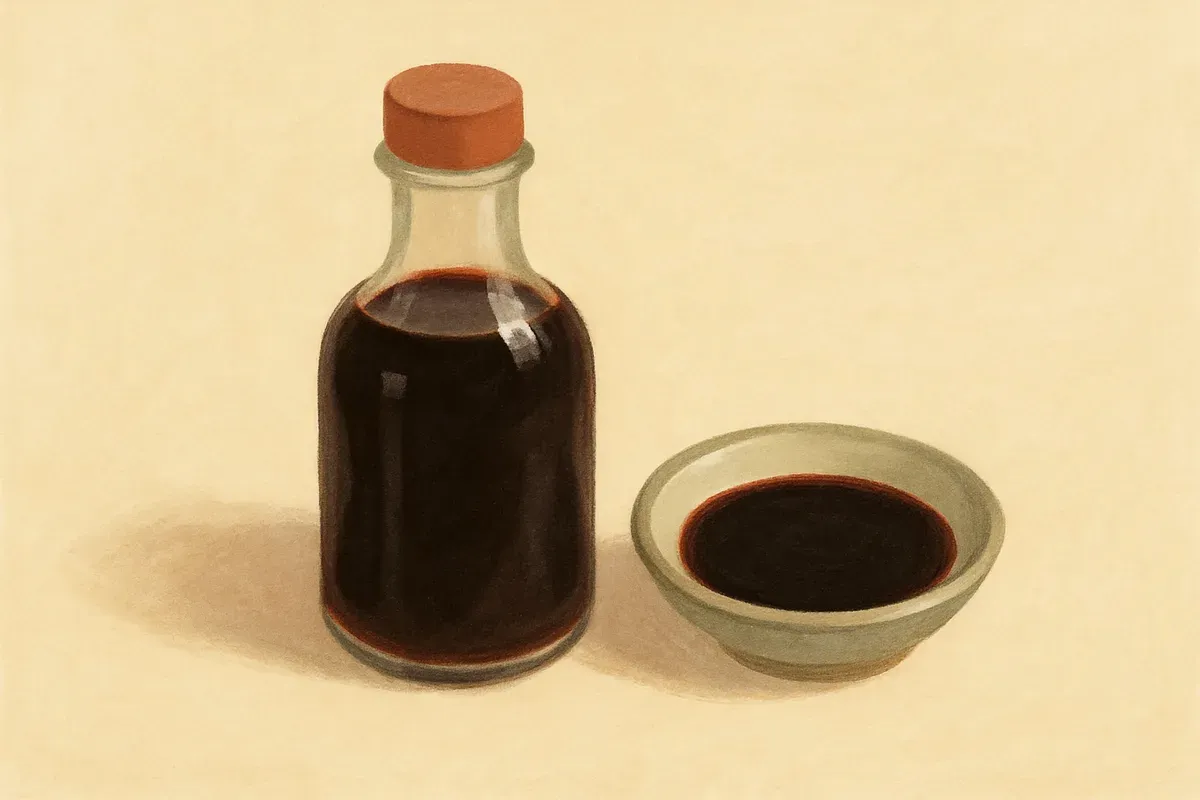
Sweetened black vinegar is the base of the famous pork trotter dish. What it is, why sweetened not plain, which brand to buy, and the pot it must not touch.
Free · takes two minutes
A few quick questions, and you'll walk away with a plan made for your birth, your home and your family.
No account needed.